A new analysis of ancient DNA is upending conventional theories about the peopling of the Americas, suggesting that the first human migrations into North America were more complex and possibly earlier than previously established. The genetic evidence, drawn from ancient remains, is forcing researchers to reconsider the routes and timing of the initial settlement of the continent.
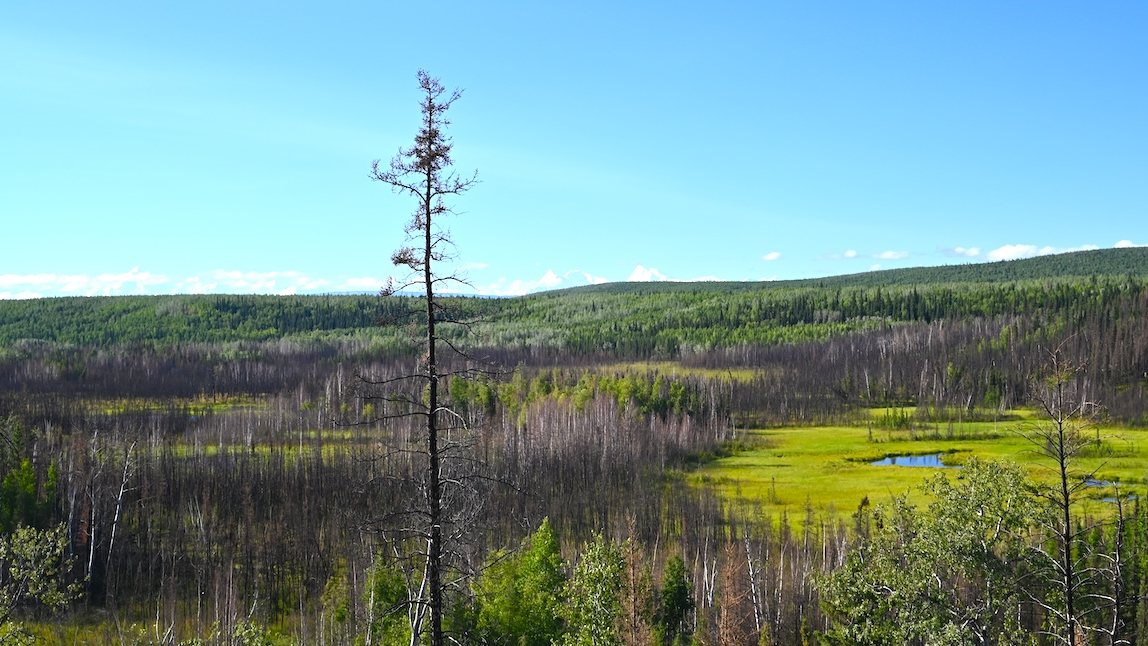
The study indicates that the ancestors of Native Americans diverged from their East Asian relatives earlier than once thought, and that a single migration wave is an oversimplification. Instead, the data point to a more intricate pattern of movement, including a period of isolation in the Beringian refugium — the land bridge region between Siberia and Alaska — before groups dispersed southward. This isolation period appears to have lasted thousands of years, during which the founding population developed distinct genetic traits.
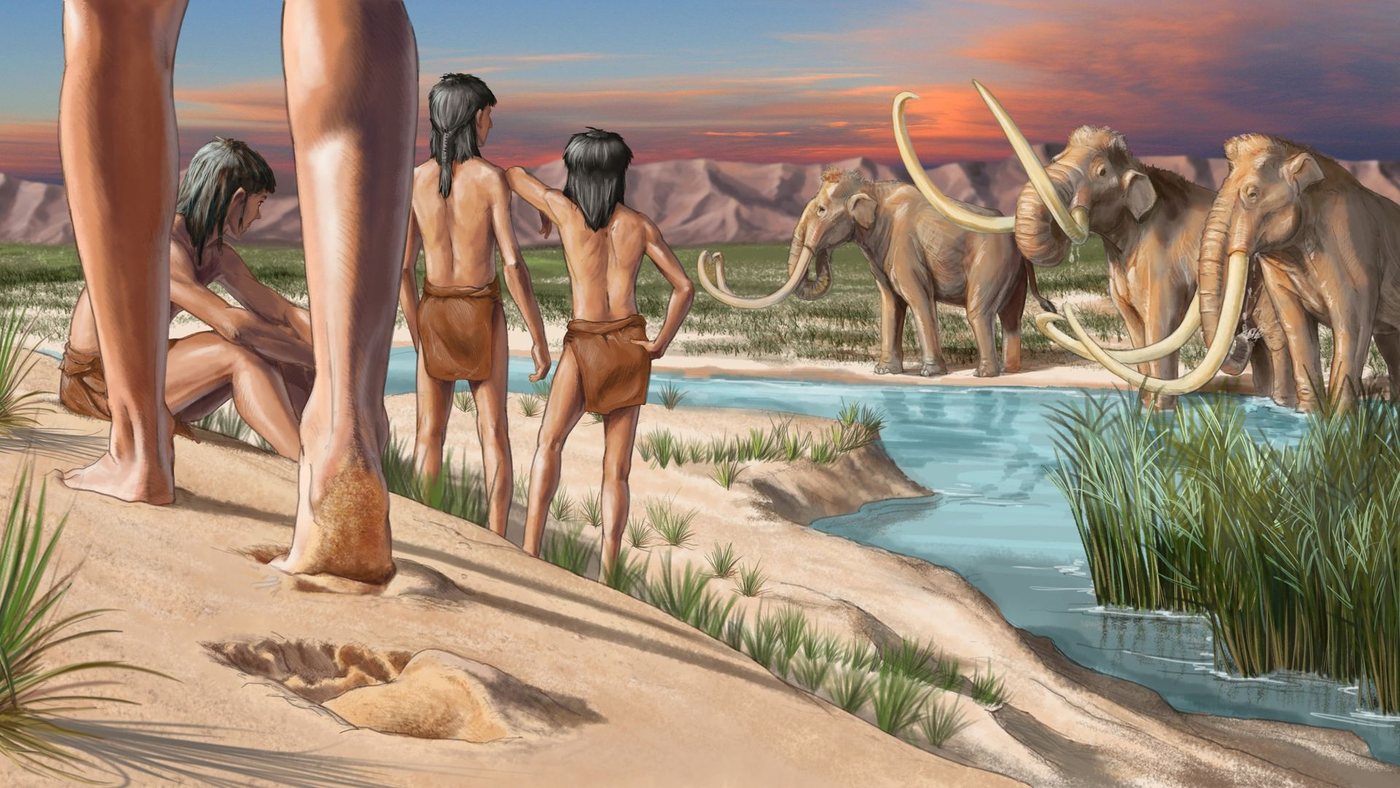
Researchers analyzed genetic material from ancient individuals and compared it with modern populations to trace lineages. The findings challenge the long-standing «Clovis first» model, which held that the first Americans arrived roughly 13,000 years ago and spread rapidly across the continent. The new genetic evidence aligns with archaeological discoveries at sites such as Monte Verde in Chile and White Sands in New Mexico, which suggest human presence in the Americas well before the Clovis culture emerged.
The ancient DNA also reveals that some early groups did not contribute genetically to later populations, indicating that multiple migrations occurred and that some lineages died out or were absorbed. This complexity underscores the importance of integrating genetics with archaeology and linguistics to build a more accurate picture of human history in the Americas.
The research has significant implications for understanding the cultural and biological heritage of Indigenous peoples. It reinforces the deep roots of Native American communities and highlights the value of ancient DNA in reconstructing human prehistory. Scientists caution, however, that ethical considerations and collaboration with Indigenous groups are essential when studying ancestral remains.
As genetic techniques improve and more ancient samples are analyzed, the story of how humans first populated North America is likely to become even more nuanced, revealing a history of adaptation, resilience, and movement across a vast and changing landscape.
9