1,400-Year-Old Elite Infant Burial Found at Moche Temple in Peru
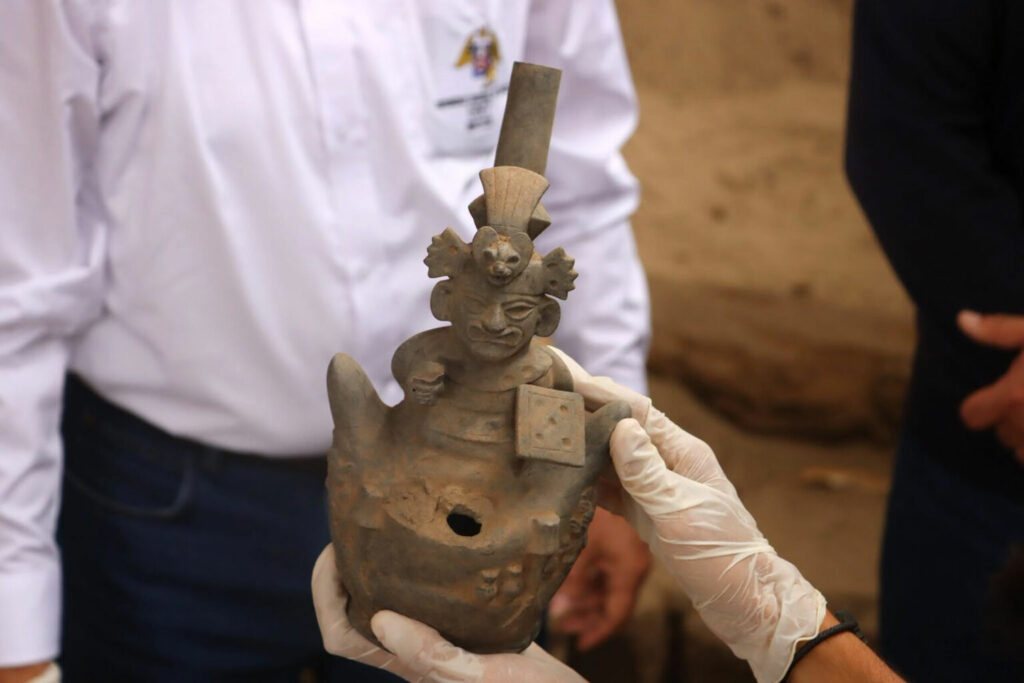
Archaeologists working at Huaca de la Luna on Peru's northern coast have uncovered the grave of an infant buried with more than 30 ceramic vessels and a possible copper mask, …
Discipline
News, research analysis and evidence-based explanation. 20 stories in this section.
Archaeologists working at Huaca de la Luna on Peru's northern coast have uncovered the grave of an infant buried with more than 30 ceramic vessels and a possible copper mask, …
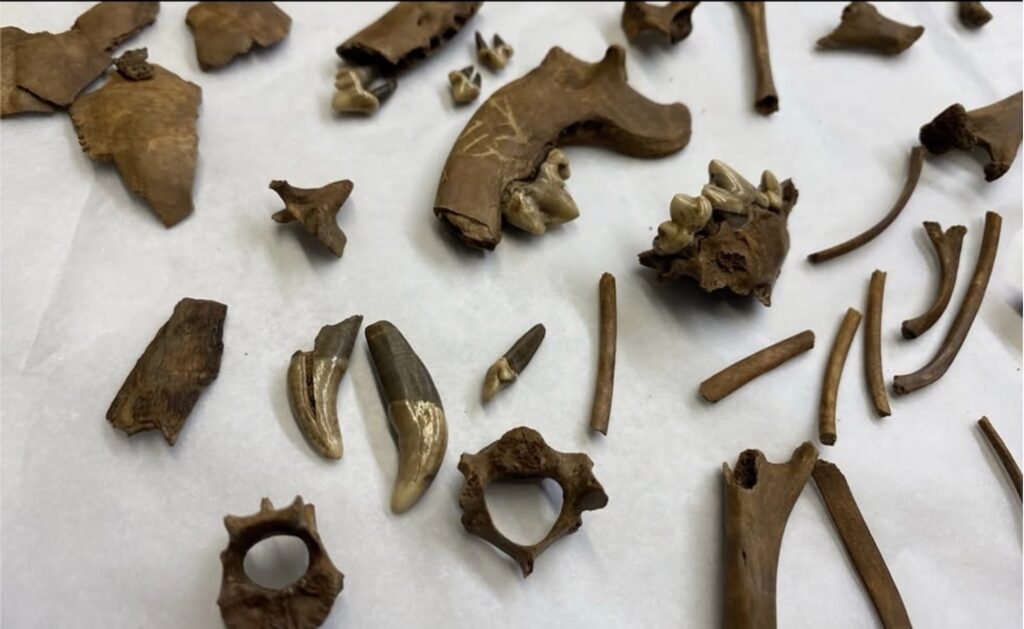
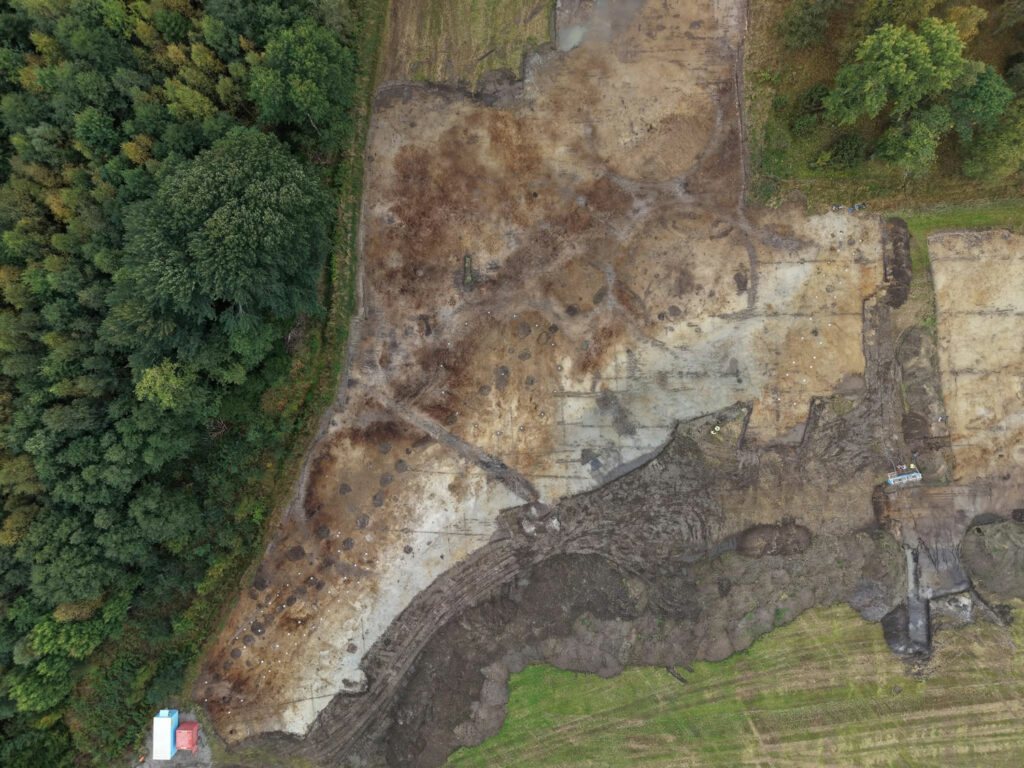
Archaeologists excavating ahead of a construction project in Spilsby, Lincolnshire, have unearthed an almost complete skeleton of a small dog dated to between 40 B.C. and A.D. 60, alongside more …
A new documentary, «Pétros Ení — Discovering the Origins», brings Pope Leo XIV and actor Chris Pratt together to explore the history and archaeological discoveries beneath St. Peter's Basilica, marking …
Genetic analysis of ancient remains is challenging long-held assumptions about when and how the first humans reached the Americas, suggesting a more complex and earlier migration history than previously believed.
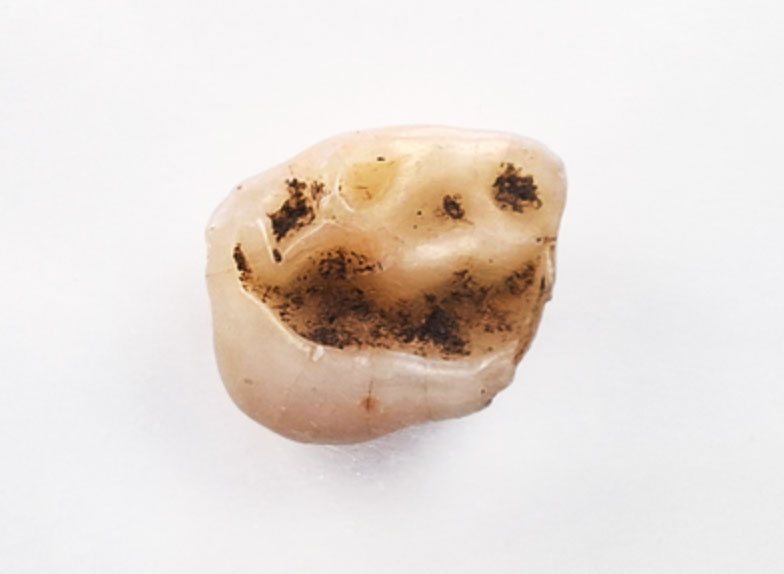
Archaeologists have uncovered remarkably preserved mummies and puppies of Peru's famous hairless dogs at a 1,200-year-old Wari Empire burial site, with unusual teeth, diets and burial arrangements offering new clues …
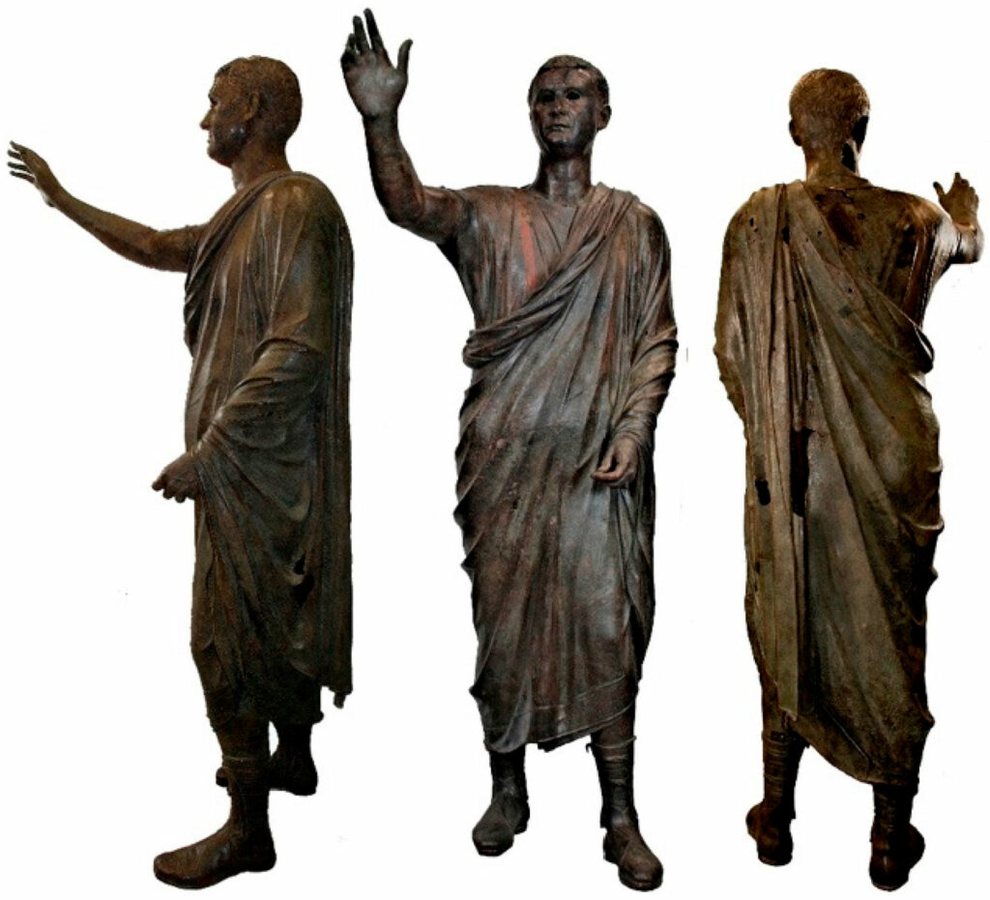
New analysis of the Arringatore of Pila indicates its dark surface was deliberately produced by heating some 2,200 years ago, not by natural corrosion.
A new study suggests that ancient Indigenous people in New Mexico lived through extreme climate change 23,000 years ago, offering clues about human resilience and early migration.
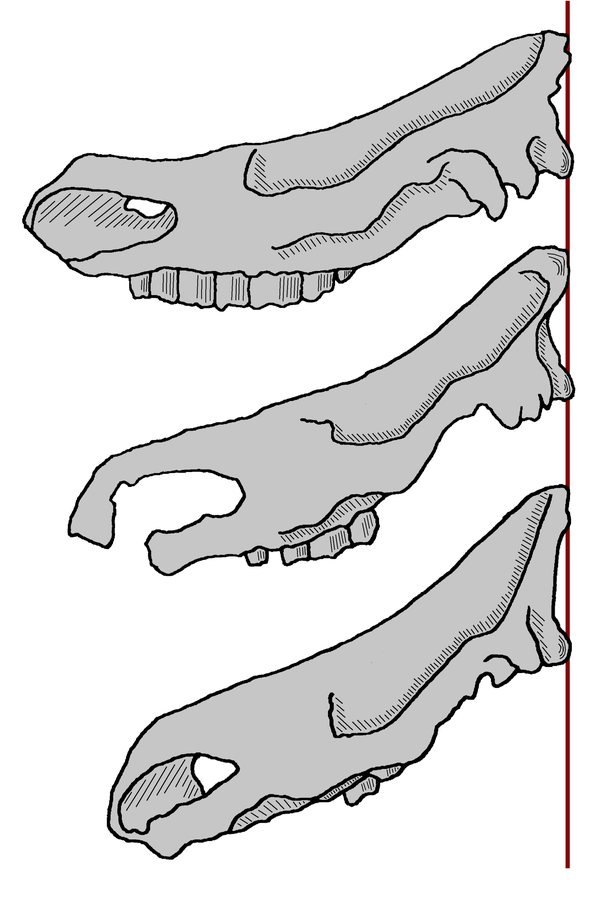
A well-preserved woolly rhinoceros skull dating back roughly 50,000 years has been discovered in a cave in Somerset, England, offering a rare window into Ice Age Britain and the animals …
Archaeologists analyzing residues from ceramic vessels found in 3,400-year-old tombs at Hala Sultan Tekke have identified barley, wheat, figs, lentils, and ornamental flowers, suggesting mourners burned whole-plant bouquets during burial …
A new mega-episode of Drain the Oceans examines the richest shipwrecks ever found, the lost vessels of legendary Caribbean pirates, and the legal battle over the Black Swan treasure.
Archaeologists have uncovered intact layers in Tina Jama cave on the northern Adriatic coast showing a Mesolithic hunter-gatherer camp directly beneath artifacts left by the region's first farmers, offering a …
Archaeologists using ground-penetrating radar have uncovered additional ring ditches at the Hunn burial ground in eastern Norway, shedding light on burial practices from roughly 2,000 years ago.
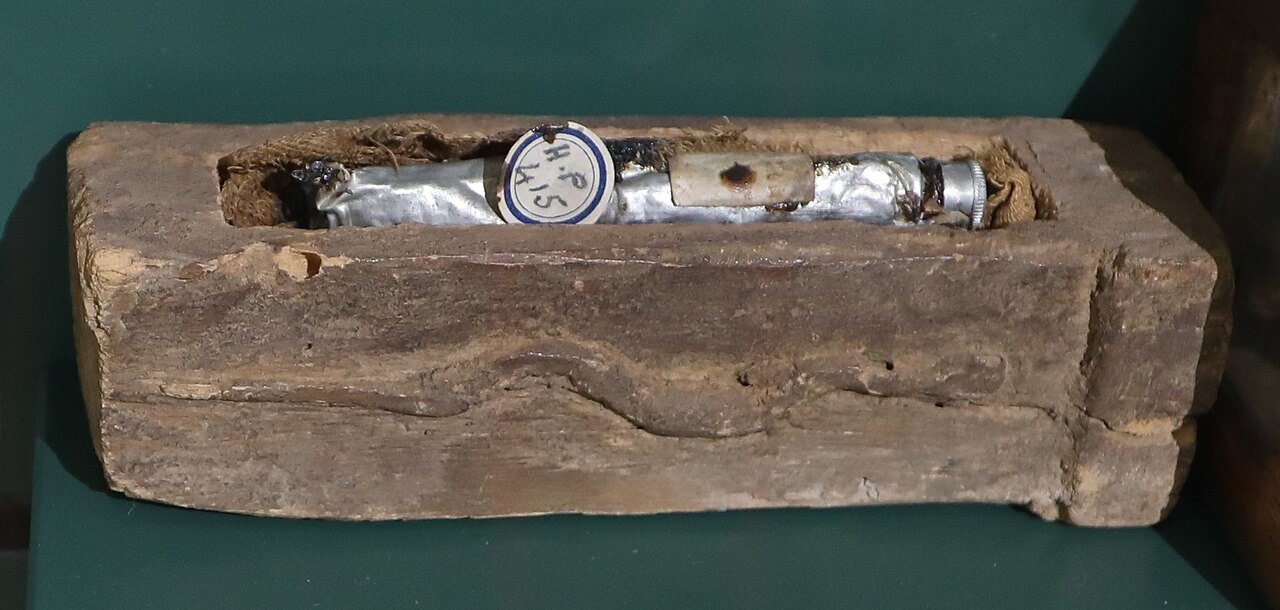
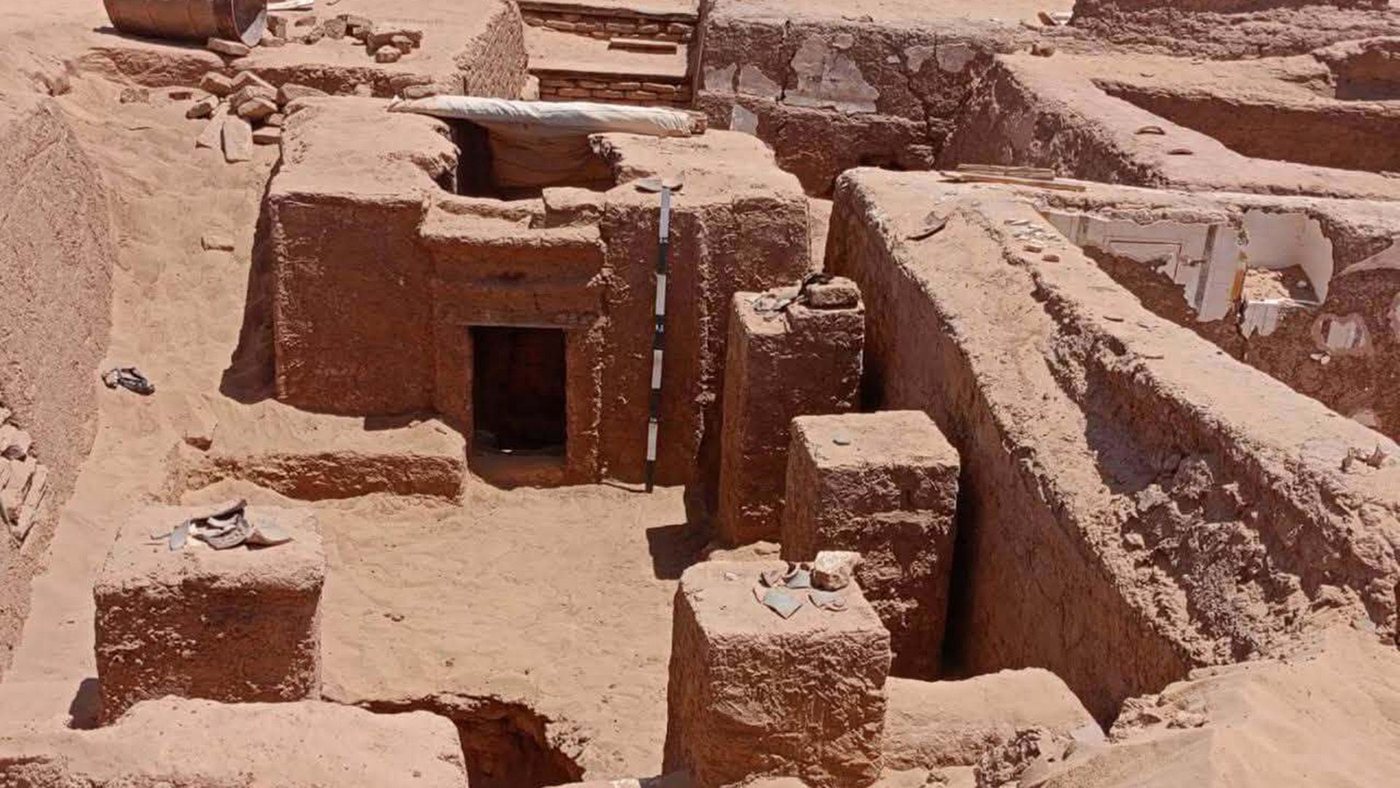
A team of archaeologists in Saqqara has uncovered the first ancient Egyptian mummy workshop ever discovered, revealing embalming practices and burial rituals of the elite. The excavation includes the delicate …
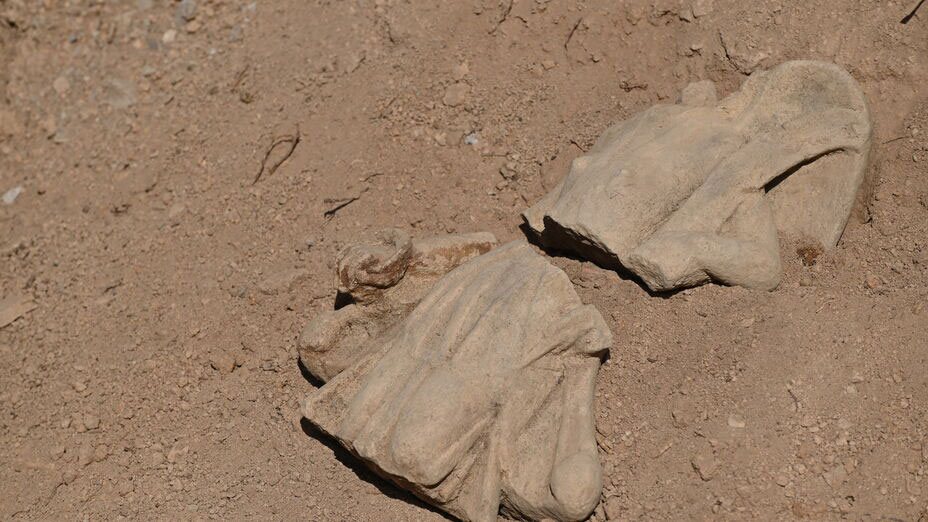
Archaeologists in Germany's Taunus Mountains have uncovered a temple dedicated to the Roman war god Mars, part of a well-preserved settlement that housed merchants and military families near the Kapersburg …
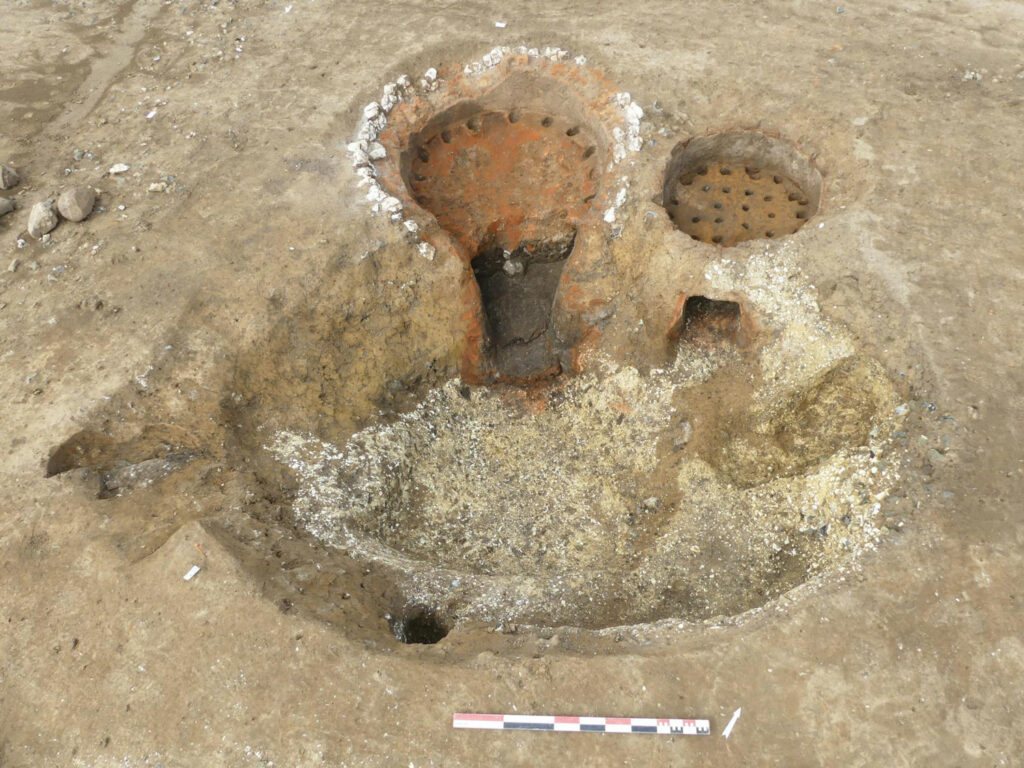
Archaeologists in northern France have uncovered a complete Roman pottery workshop, including 21 kilns and 50 clay pits, along the ancient Agrippa Road.
Modern forensic analysis of skulls from Egypt's 1st Dynasty subsidiary burials reveals linear fractures and sharp-force wounds, suggesting retainers were sacrificed violently to serve pharaohs in the afterlife.
Excavations on the Scottish island of Lios Mòr, or Lismore, have revealed traces of a sixth-century monastery founded by Saint Mo Luóc, including burials, craft workshops, and evidence of precious …
A 14-episode livestream brings together National Geographic's archaeological documentaries, following explorers as they investigate the Knights Templar, El Dorado, the Tower of Babel, Cleopatra's tomb, and other enduring historical puzzles.
Archaeologists in southern Italy have unearthed the remains of a woman cradling a child in a twelfth- or thirteenth-century cemetery at Sipontum, with DNA and carbon dating expected to clarify …
Archaeologists in Egypt have uncovered a 1,700-year-old tomb containing a Greek poem and magical spells intended to protect the deceased, offering rare insight into funerary practices of the Roman era.