New forensic analysis of human remains from Egypt's earliest royal cemetery has found evidence that hundreds of people buried alongside the first pharaohs died violently, strengthening the case that ancient Egyptian rulers practiced retainer sacrifice during the 1st Dynasty.
Bioarchaeologist Roselyn Campbell of Purdue University examined 46 skulls held at the University of Cambridge, originally excavated from the Umm el-Qa'ab cemetery at Abydos. According to the research, 18 of the skulls showed signs of significant trauma. The injuries were generally linear fractures, which Campbell said would likely cause rapid unconsciousness, internal bleeding, and death. A few skulls also bore sharp-force trauma marks, including one instance of a chopping wound to the eye.
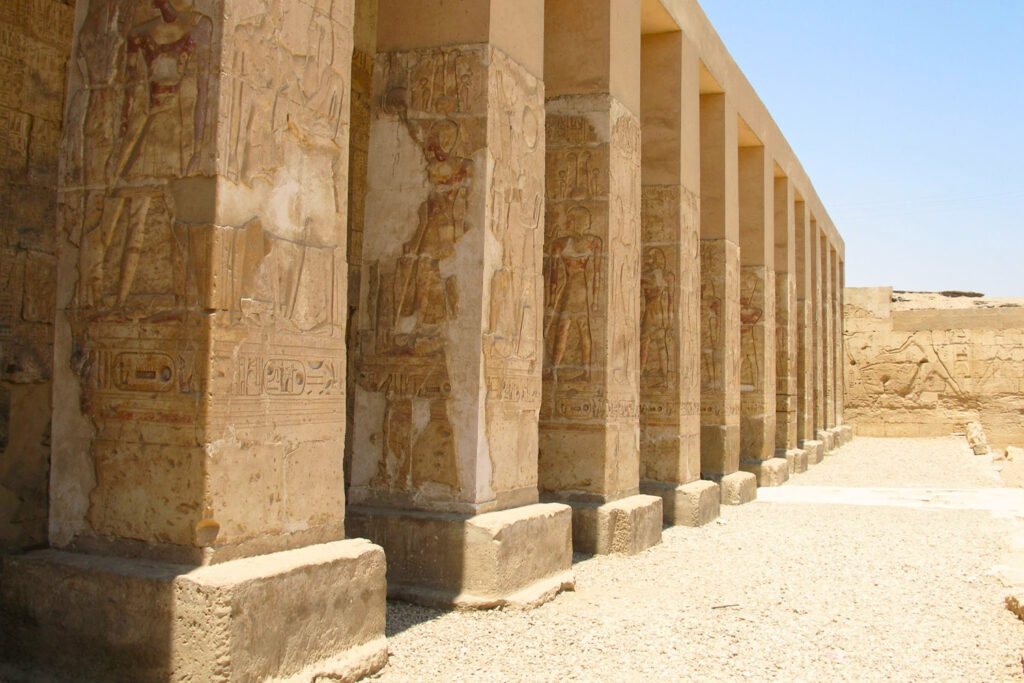
The remains come from subsidiary burials arrayed around the grand royal tombs of the 1st Dynasty, which dates to roughly 3078–2900 B.C. When Egyptologist Flinders Petrie excavated these modest graves in the 1920s, he identified the deceased as household servants, low-level officials, and artisans, many buried with a few ceramic vessels, copper tools, or ivory figurines. Petrie found it suspicious that hundreds of people employed by each pharaoh appeared to have died at the same time as the pharaoh, but he could find no evidence of injury on the skeletons. He reburied most of the remains and sent some of the skulls to the United Kingdom.
The new examination of those preserved crania, conducted with modern forensic methods, contradicts Petrie's initial assessment. The pattern of trauma indicates that the retainers — the people who propped up the royal apparatus — were killed rather than dying naturally and being buried with their ruler.
Campbell explained that retainer sacrifice appears in many cultures because of beliefs that the sacrificed individuals will continue to serve the ruler in some kind of afterlife. She added that the practice can also serve as a visceral display of the ruler's power. The findings suggest that the first rulers of a unified Egypt may have relied on both functions, using violent death to accompany the pharaoh into the next world while demonstrating the reach of royal authority over their households.
The 1st Dynasty pharaohs are buried at Abydos, though the location of their seat of power remains less certain. Their predecessors in the 4th Dynasty of the Old Kingdom, centuries later, built the pyramids, the most impressive funerary monuments on earth. The contrast between the monumental pyramids and the earlier subsidiary graves at Abydos highlights how much royal funerary practice changed over time, even as the idea of serving a ruler in death persisted in different forms.
The research was published in Frontiers in Environmental Archaeology. The study adds to a growing body of forensic work on museum collections that were excavated decades ago, when field methods and skeletal analysis were far less developed. By returning to skulls that Petrie sent abroad more than a century ago, researchers have been able to recover evidence that was invisible to early excavators.
The findings also raise questions about the scale of retainer sacrifice during the 1st Dynasty. Hundreds of subsidiary burials surrounded each royal tomb at Abydos, and if a substantial share of those individuals died violently at the time of the pharaoh's death, the practice would have touched a significant number of households connected to the royal court. The study does not resolve how the retainers were selected or whether participation was voluntary, but the physical evidence points to deaths that were neither peaceful nor accidental.
For archaeologists, the results underscore the value of re-examining legacy collections with current techniques. The skulls Campbell studied had been held at Cambridge for generations, and the trauma they carried had gone unrecognized until now. The research offers a more direct window into the fate of the people who served Egypt's first pharaohs and into the political and religious logic that may have justified their deaths.
13