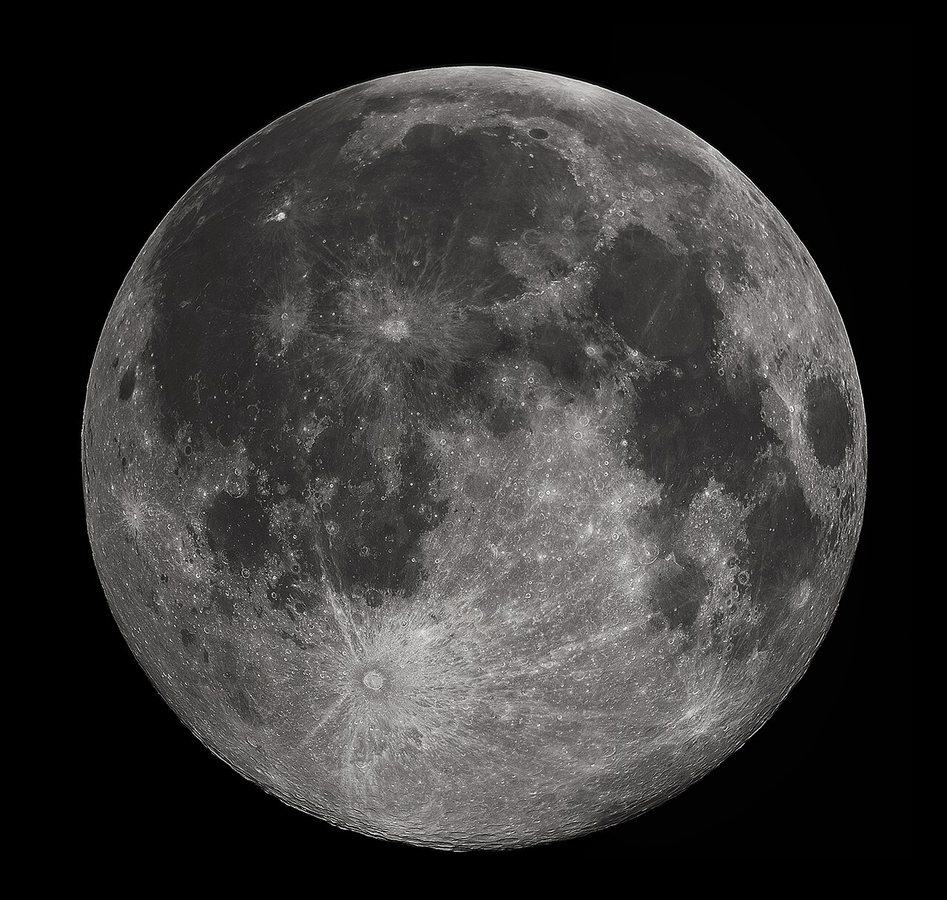
Earth has picked up a temporary companion, though it is far too small to be called a moon in the usual sense. The object, designated 2026 QQ8, is an asteroid roughly two meters across that Earth's gravity captured in April. It is expected to slip out of the planet's influence in early December, returning to an independent orbit around the Sun.
The asteroid was first spotted in August by Hungarian astronomer Krisztián Sárneczky. At first it looked like many other near-Earth asteroids that pass through the inner solar system. Confirming that it was a natural body rather than a defunct satellite took several weeks of work. The changes in its motion caused by the pressure of sunlight pointed to a natural origin. In late October, the Minor Planet Center, the body that catalogs small objects in the solar system, gave it its formal designation. The nickname "mini-moon" is informal and does not appear in official records.
Such short-lived captures are more common than many people might expect. At any given moment, on average, at least one temporary companion is orbiting Earth. Earlier examples include 2006 RH120, which stayed for about a year, and 2020 CD3, which remained for roughly three years. These visitors are typically too faint and small to be seen without large survey telescopes, which is why they often go unnoticed.
Scientists stress that there is no danger to Earth from this object. Anything of its size that reaches the atmosphere would break up harmlessly before reaching the ground. The discovery does, however, highlight how many objects remain unknown. Astronomers have cataloged about 40,000 near-Earth objects and roughly 1.5 million objects in the solar system overall. The 10-year survey by the Vera Rubin Observatory is expected to push that total toward 5 million, meaning more small, temporary visitors are likely to be found in the years ahead.
Credit. Based on reporting by CNN Newsource for ABC17NEWS. Is this your work? Write to us.
9