Levitated Nanoparticle Detects Single-Atom Collisions
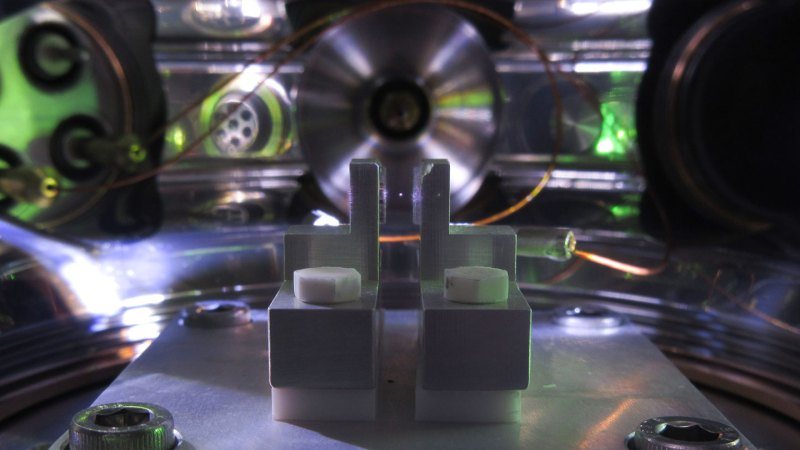
A Yale-led team has shown that a silica nanosphere held in an optical trap can register the impact of individual gas atoms and molecules, a proof-of-principle that could yield a …
Discipline
News, research analysis and evidence-based explanation. 20 stories in this section.
A Yale-led team has shown that a silica nanosphere held in an optical trap can register the impact of individual gas atoms and molecules, a proof-of-principle that could yield a …
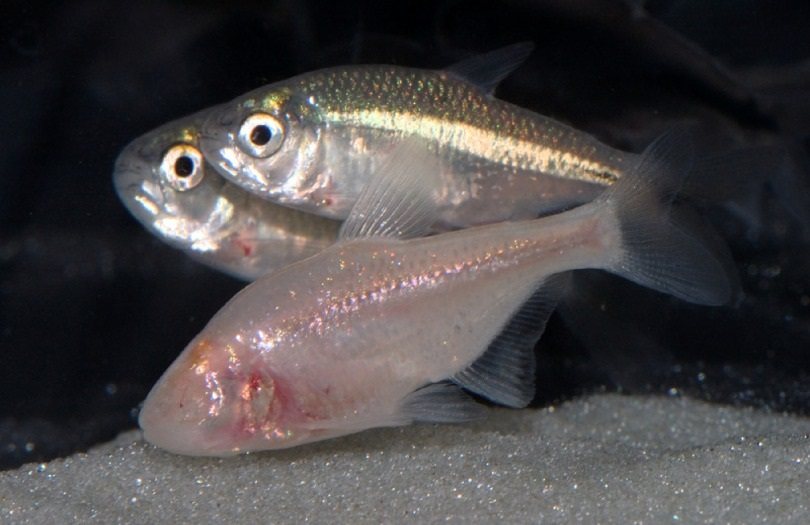
Researchers have identified a ghostly, eyeless freshwater snail living entirely in darkness in a high-altitude Chinese cave, naming it after a faceless mythical creature. Only three living adults were found, …
Researchers at the University of Greifswald turned a commercial toy into a controllable active matter system, showing how chirality and geometry combine to steer collective transport and create a chirality-sensitive …
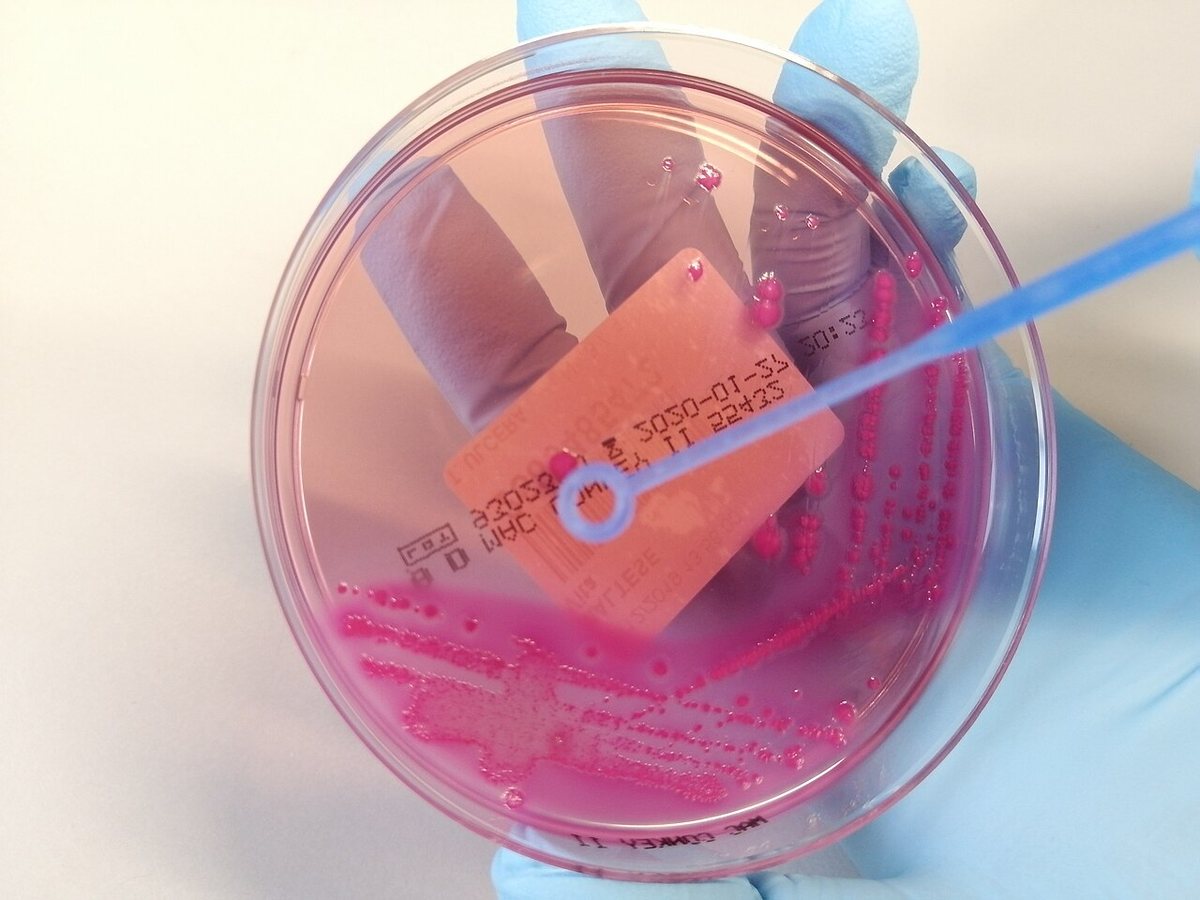
Genome analysis reveals how decades of laboratory cultivation transformed Clostridium botulinum, the bacterium behind deadly foodborne outbreaks, into a controlled tool for medicine and the beauty industry.
Researchers at the French Alternative Energies and Atomic Energy Commission have synthesized a hexagonal close-packed superionic ice phase for the first time, a discovery that could explain the unusual magnetic …
New research estimates that 2.22 million Indigenous Australians lived on the continent before European colonization, far more than previously believed, and that 93% of this population was lost within 73 …
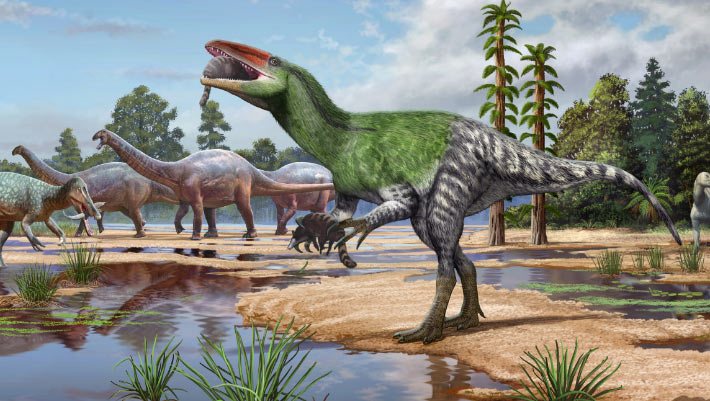
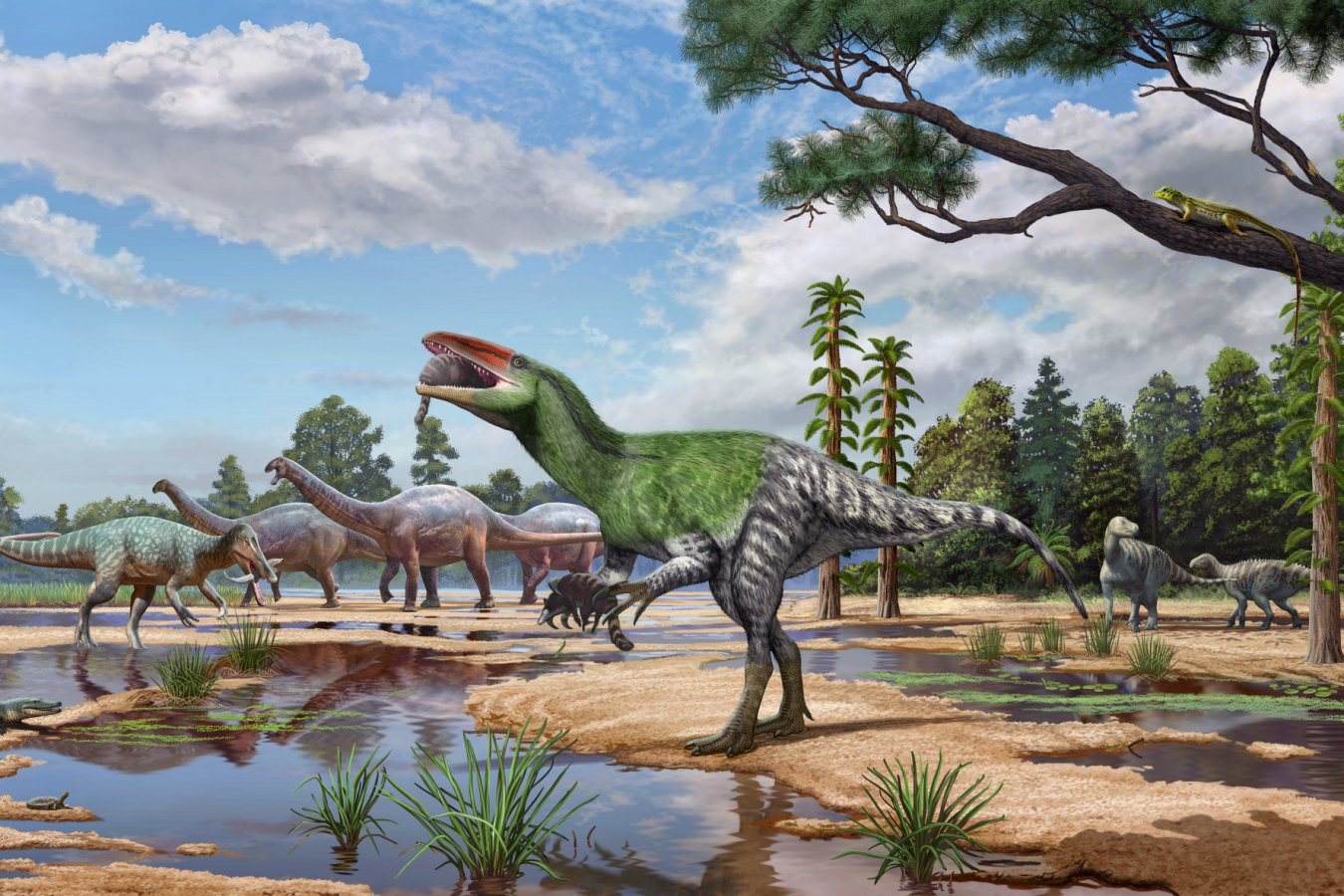
A 120-million-year-old braincase stored at the Natural History Museum in London for a century has been reclassified as Invictibellatrix amberina, the first megaraptoran dinosaur found in Europe, a lineage previously …
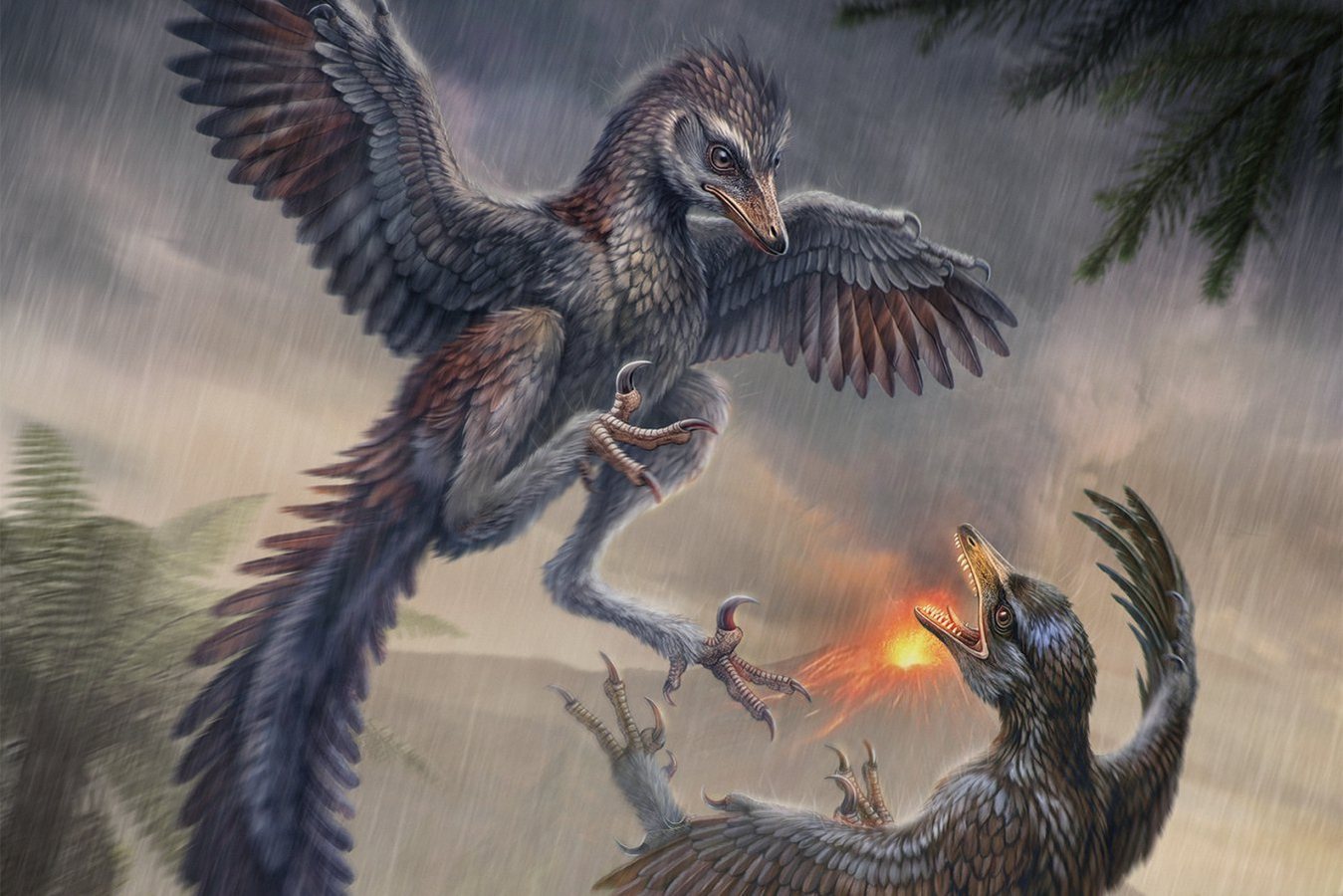
A 148-million-year-old fossil found in China suggests some of the earliest birds abandoned flight almost immediately, complicating the picture of avian evolution.
Researchers have demonstrated that scattering in disordered media can be harnessed rather than suppressed, using a generalized Wigner-Smith operator to design a compact acoustic device that performs non-Abelian braiding of …
A partial braincase stored at the Natural History Museum in London since 1924 has been described as Invictibellatrix amberina, a new genus and species of megaraptoran theropod — the first …
New research suggests the fundamental physical constants of the universe are finely balanced to allow life, with even tiny changes potentially making liquids unsuitable for biological processes. The life-friendly conditions …
The Allen County Museum is hosting a National Fossil Day celebration featuring hands-on dinosaur activities, giving visitors a chance to engage directly with paleontology and the region's fossil heritage.
A new calculation method replaces simplified models with the actual atomic and electronic structures of materials, allowing researchers to predict the Kondo effect with far greater accuracy.
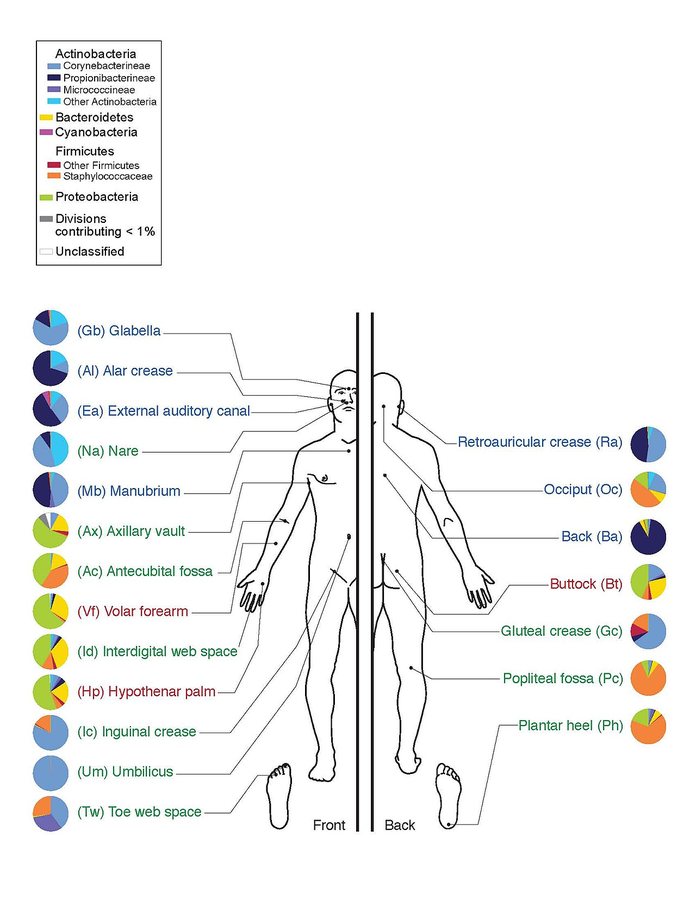
A new study finds that the Tsimané of Bolivia and the Hadza of Tanzania share more than 1,200 bacterial species in their gut microbiomes, with many of these microbes rare …
Researchers have discovered transient, previously overlooked materials that form while chemical ingredients are heated, including a new atomic form of bismuth vanadate that interacts with light differently and could advance …
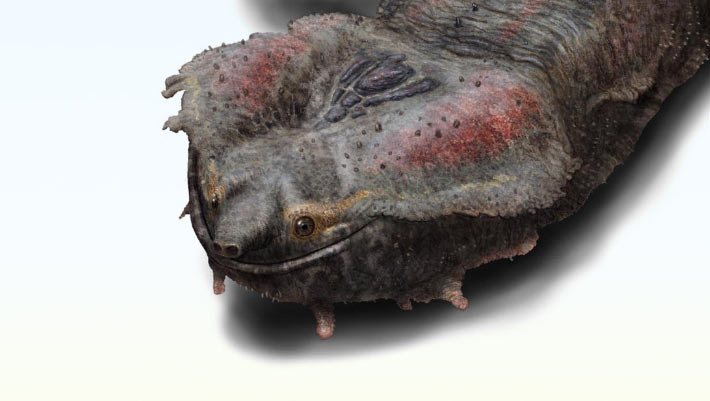
A newly described fossil turtle from northern South America, Chelus colombiana, lived 10 to 15 million years ago and ranks among the largest freshwater turtles ever identified, offering a window …
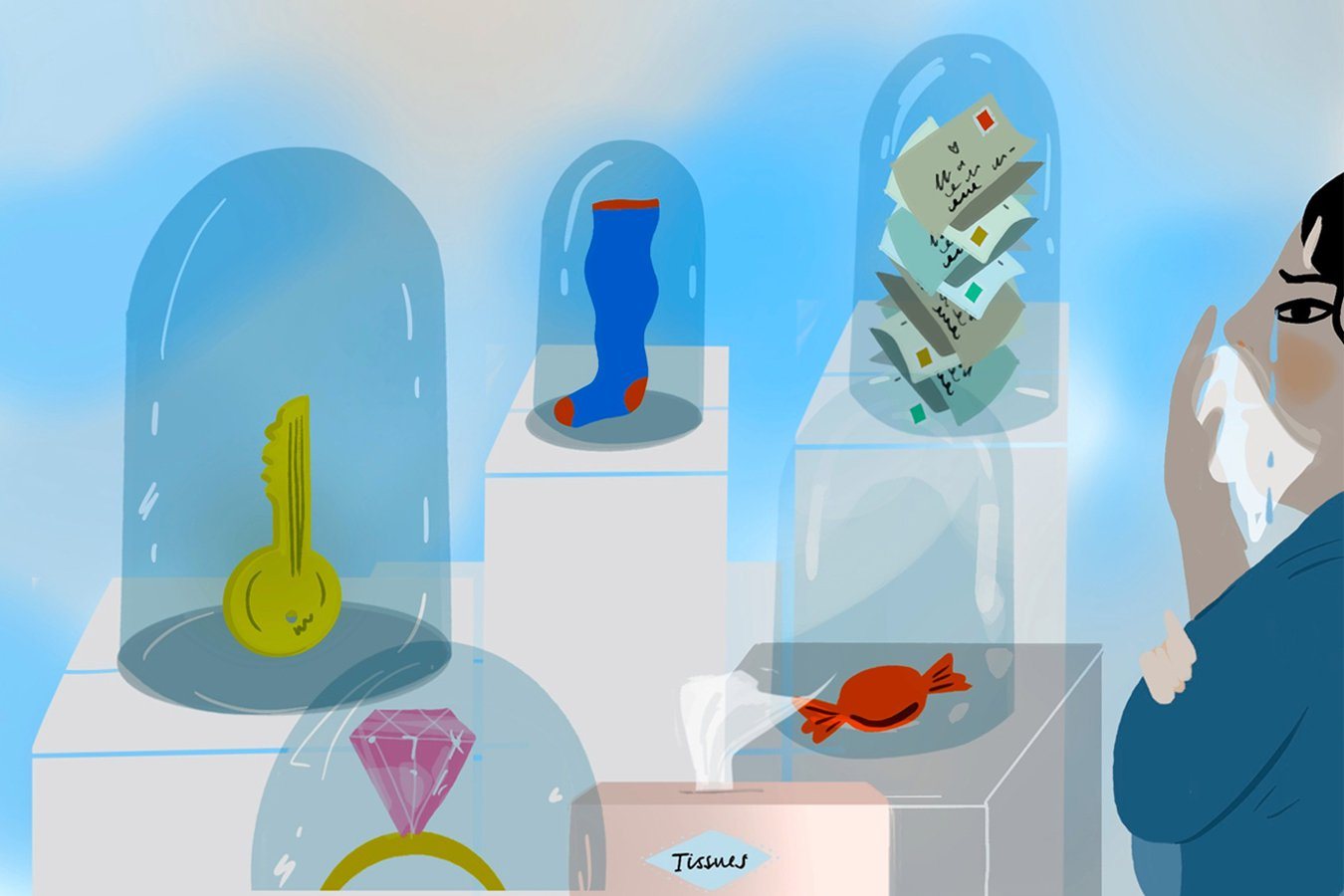
A reader's tip leads to a tour of Zagreb's Museum of Broken Relationships and Museum of Hangovers, two institutions that mix psychology, chemistry, and neurophysiology with the oddities of human …
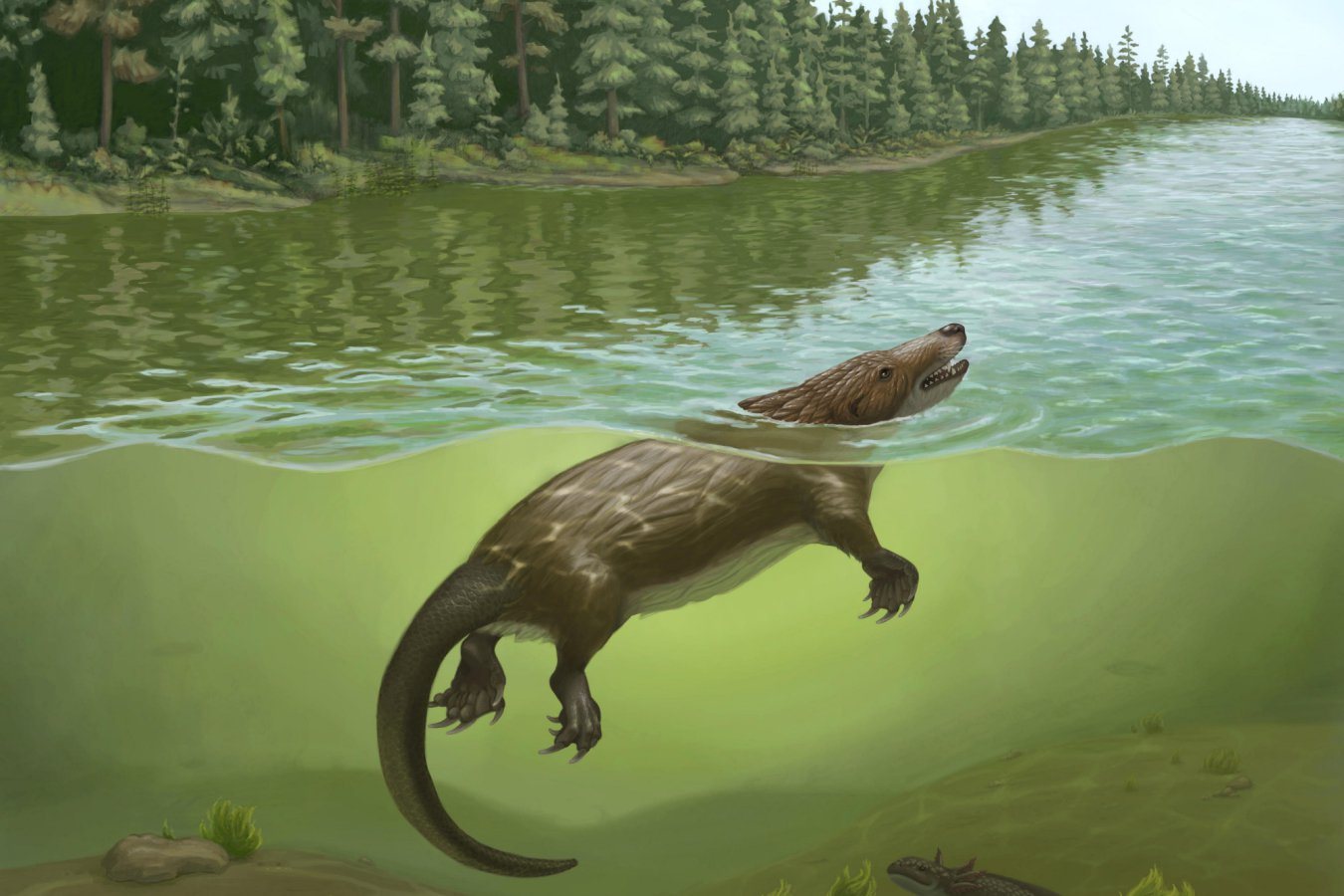
A 163- to 168-million-year-old fossil from Inner Mongolia shows that the ability to suckle and swallow evolved before the rise of modern mammals, and that this early relative led a …
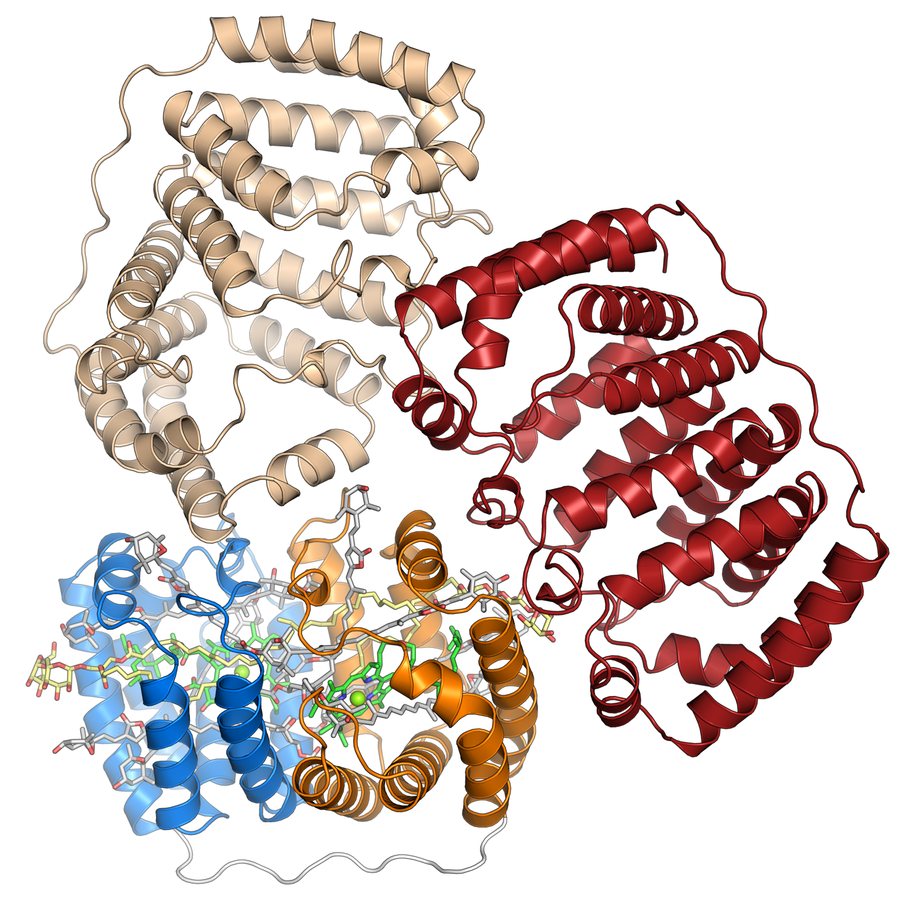
Researchers used ultrafast X-ray spectroscopy to capture the linked electron and proton steps that let nature transfer energy with remarkable efficiency, a finding that could guide better catalysts, fuel cells, …
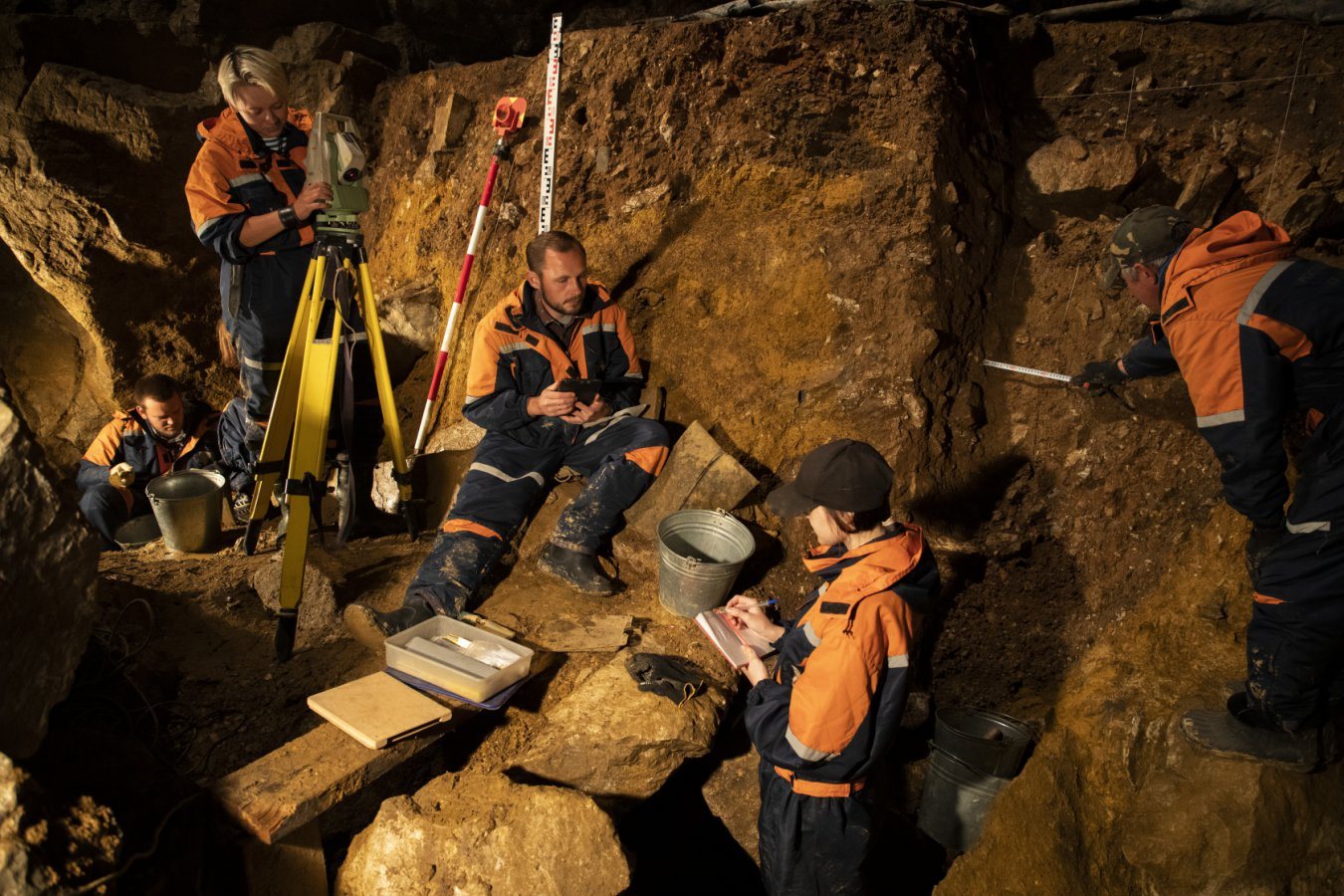
Genetic analysis of bone fragments from Denisova cave reveals a previously unknown bovine species, dubbed yak X, that lived alongside Neanderthals, Denisovans and modern humans before going extinct around 30,000 …