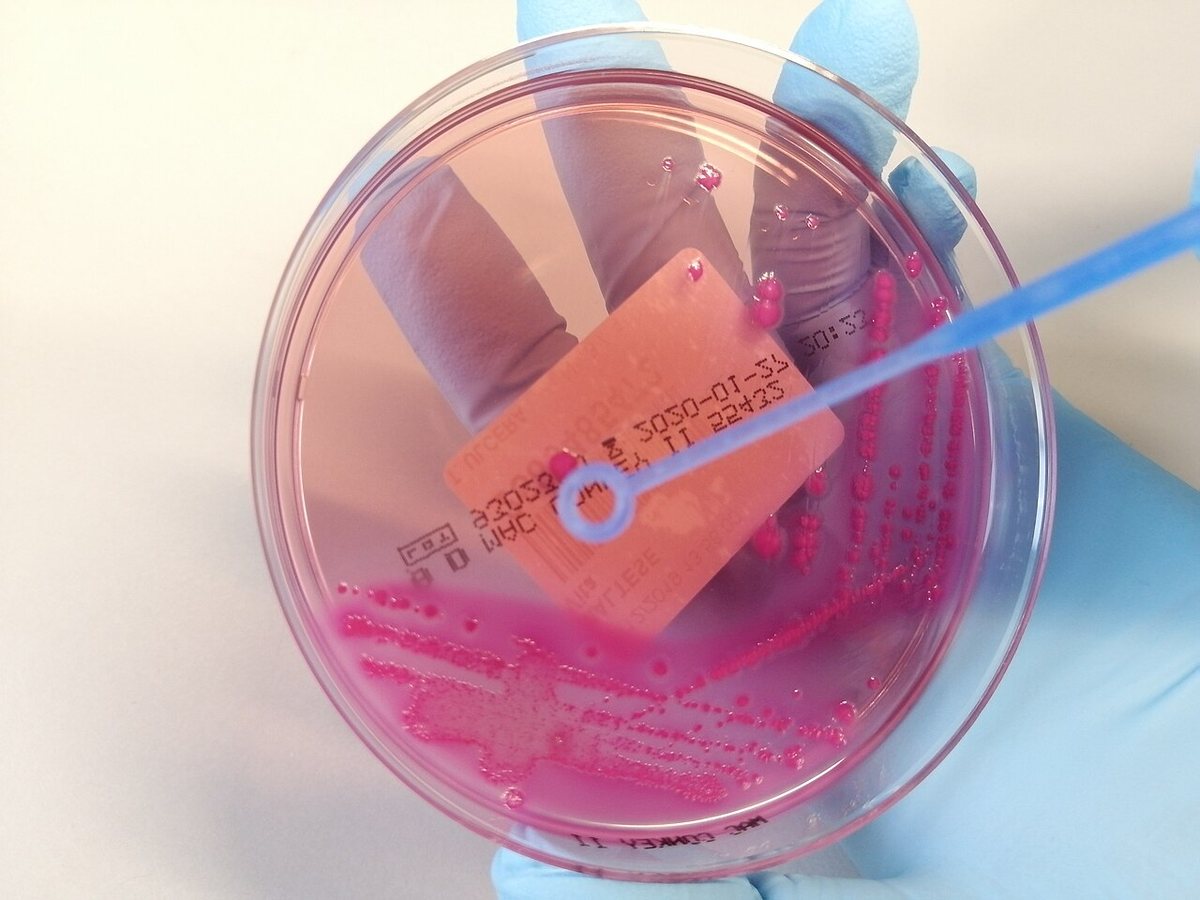
Decades of laboratory cultivation have transformed Clostridium botulinum — the bacterium notorious for causing deadly foodborne botulism in canned goods — into a domesticated organism used in medicine and the beauty industry, according to a genome analysis of the pathogen's laboratory history.
The work traces how scientists turned one of nature's most lethal microbes into a controlled industrial and clinical resource. C. botulinum produces botulinum toxin, a nerve poison so potent that minute quantities can be fatal, yet the same toxin underpins widely used medical and cosmetic treatments when administered in carefully controlled doses.
The genome analysis shows that the bacterium's long passage through laboratory conditions left detectable marks on its genetic makeup. Researchers examined how decades of cultivation shaped the organism, offering a genetic record of the transition from a feared food contaminant to a domesticated production strain.
Botulism first became a public health concern through contaminated canned food, where the anaerobic bacterium could multiply and produce its toxin in sealed containers. That history gave C. botulinum its reputation as the canned-food killer and drove the development of sterilization and food-safety standards that remain in place today.
The same toxin, however, became a therapeutic tool. Purified and precisely dosed, botulinum toxin is used in medicine for conditions involving muscle overactivity and in cosmetic procedures that relax facial muscles. The beauty industry's reliance on the toxin has made it one of the most recognizable products derived from a bacterial pathogen.
Producing the toxin safely at scale requires strains that behave predictably under industrial conditions. The genome analysis sheds light on how laboratory cultivation selected for traits that made the bacterium easier to handle, a process analogous to the domestication of crops and livestock.
The findings add to a growing body of research on how human cultivation practices leave genetic signatures in microorganisms. Such work can inform safety assessments for production strains and help scientists understand the genetic changes that accompany adaptation to laboratory environments.
The study also underscores the dual nature of microbial research: the same organism that once caused lethal outbreaks now supports clinical treatments and a global cosmetic market. Understanding its genetic history is central to keeping both uses safe.
13