A fossilized dinosaur braincase that had been stored in the collection of the Natural History Museum in London for a century has been identified as a new species and the first megaraptoran dinosaur ever found in Europe, according to a study published by an international team of paleontologists. The specimen, named Invictibellatrix amberina, dates to roughly 120 million years ago and represents a lineage of predatory dinosaurs previously thought to have flourished almost exclusively in the southern hemisphere.
The fossil was originally collected in the United Kingdom and then left largely unexamined in the museum's holdings for nearly a hundred years. Researchers who re-examined the braincase concluded that its anatomical features set it apart from any known dinosaur and placed it firmly within Megaraptora, a group of carnivorous theropods whose evolutionary history has long puzzled scientists. The discovery pushes the known geographic range of megaraptorans far to the north and raises new questions about how the group spread across the planet.
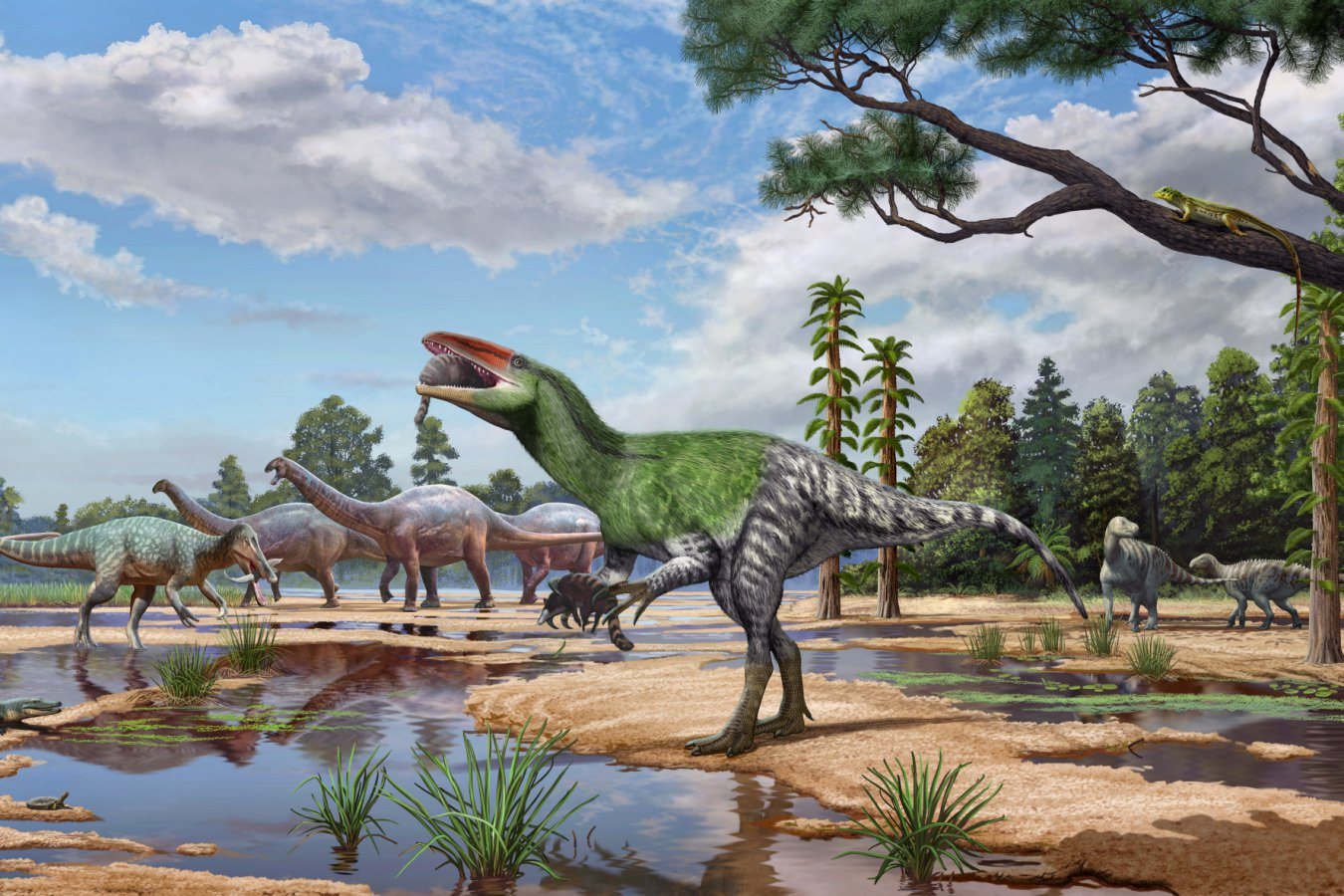
Invictibellatrix amberina is described as a tiger-sized predator, smaller than a Tyrannosaurus rex but still a formidable hunter. Its name reflects the animal's presumed fearsome nature, and the find adds to a growing picture of Early Cretaceous ecosystems in what is now Britain. The braincase offers rare insight into the sensory and cognitive anatomy of megaraptorans, a group known for their large claws and slender, powerful builds.
Megaraptorans have traditionally been documented from South America, Australia, and parts of Asia, where some members eventually grew to enormous sizes. Their absence from the European fossil record had suggested that the group either never reached the northern continents or left only sparse traces there. The identification of a European megaraptoran helps explain how these dinosaurs eventually became gigantic hunters, suggesting that the lineage dispersed widely before some branches evolved extreme body sizes.
The reclassification also highlights the scientific value of museum collections, where specimens can sit unrecognized for decades before new methods or new comparative material reveal their significance. In this case, the braincase had been catalogued but never fully studied in the context of megaraptoran anatomy. Its recognition as a distinct species depended on detailed anatomical comparison with better-known theropods from other continents.
Researchers say the find underscores how much remains to be learned from existing fossil holdings, particularly isolated elements such as braincases that preserve delicate internal structures. The specimen's age places it in the Early Cretaceous, a period when dinosaur faunas were diversifying rapidly and when land connections between continents were shifting. A European megaraptoran at that time implies the group had already achieved a broad distribution earlier than previously assumed.
The study adds Invictibellatrix amberina to the roster of predatory dinosaurs known from the UK and strengthens the case that Europe played a larger role in theropod evolution than its fragmentary fossil record often suggests. Further analyses of the braincase may clarify the animal's hearing, smell, and balance, offering clues about how it hunted. For now, the century-old specimen stands as the first confirmed megaraptoran from Europe and a reminder that major discoveries can emerge from drawers as well as dig sites.
8