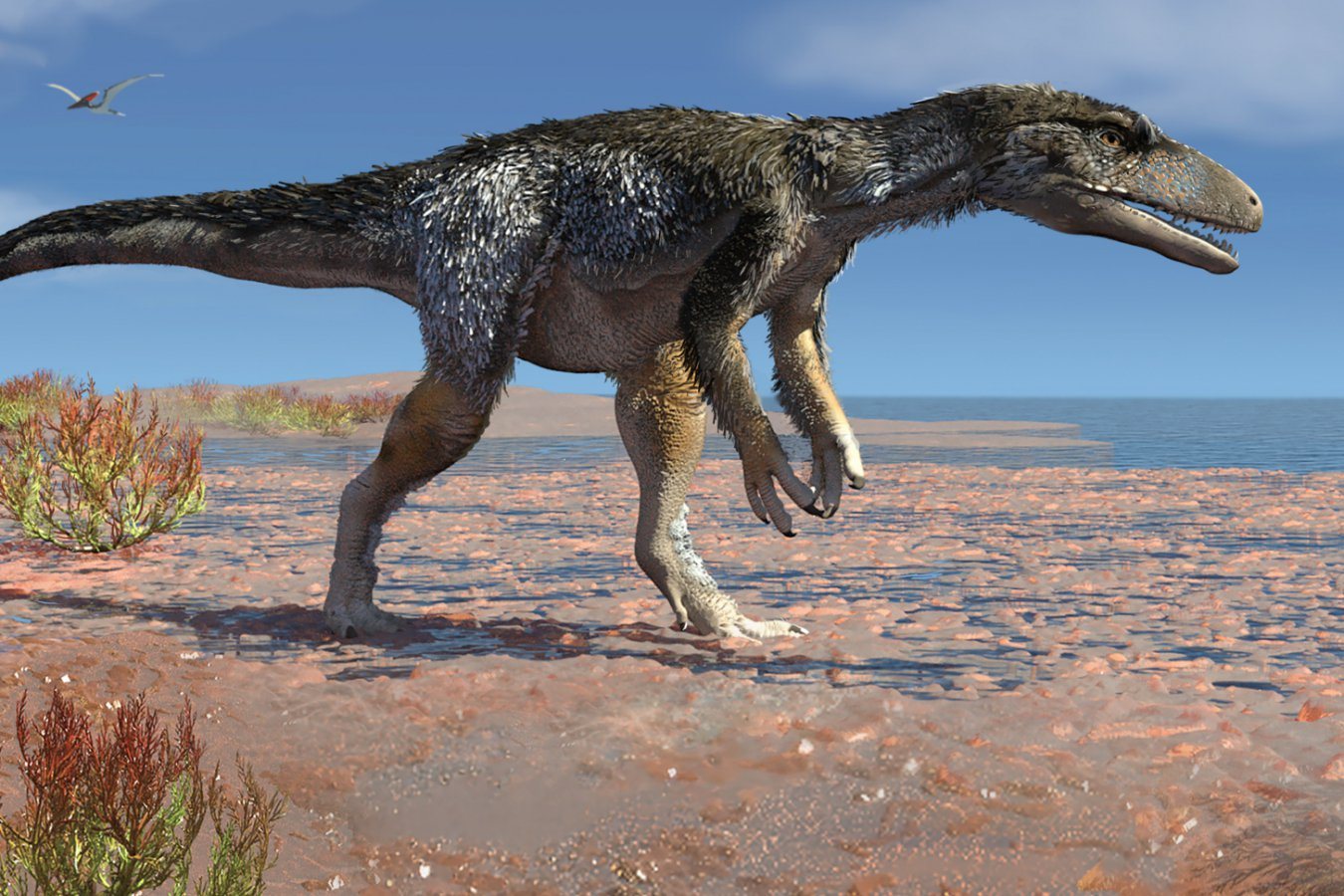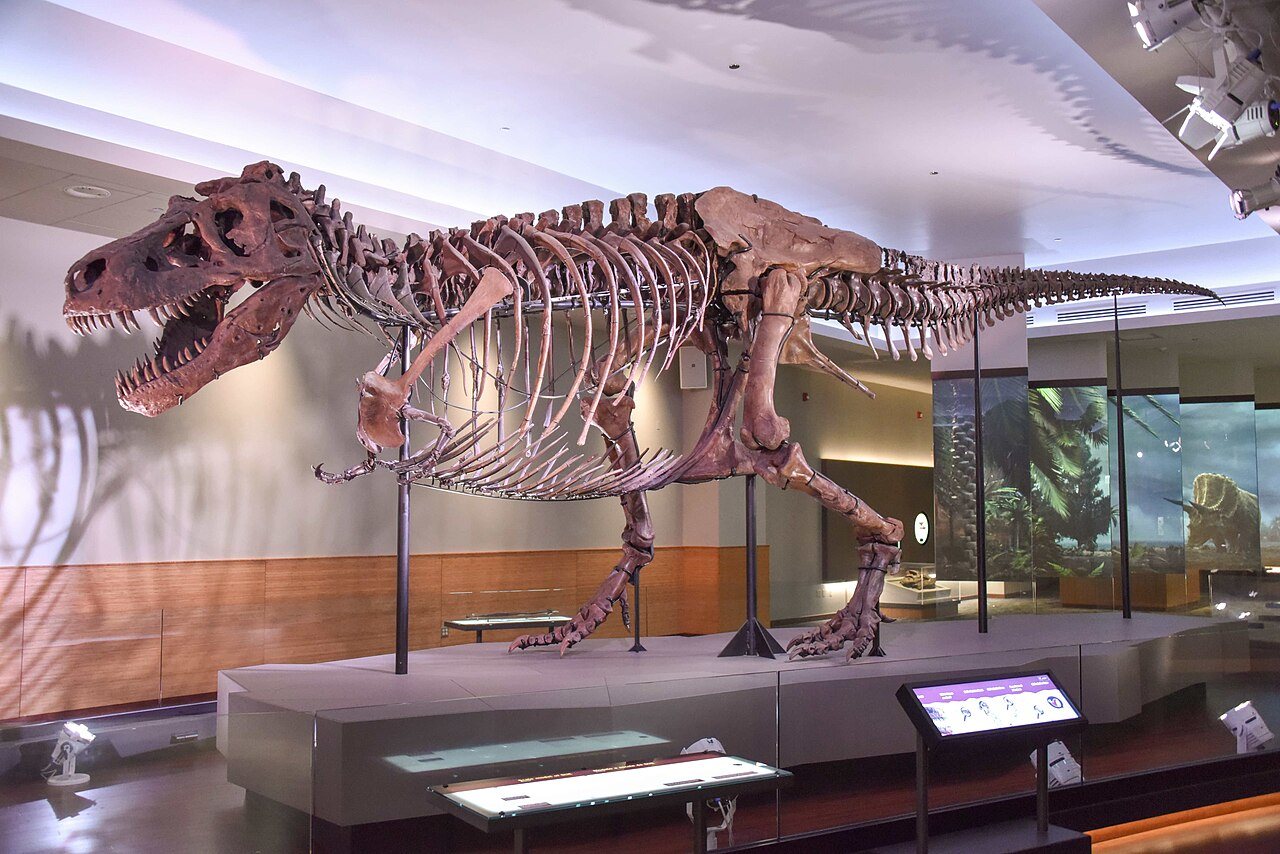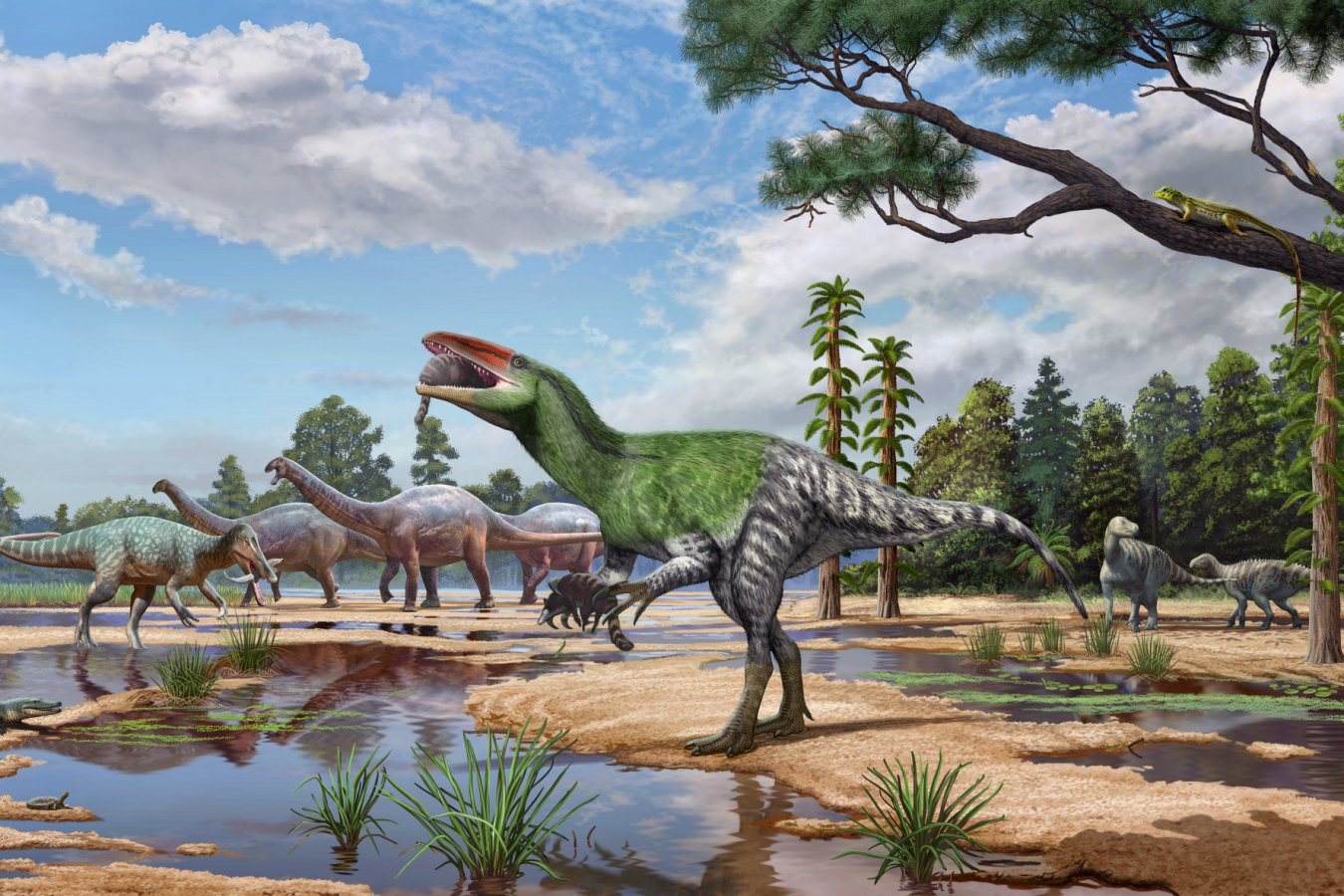
A dinosaur fossil that sat unstudied in the Natural History Museum in London for roughly a century has been identified as a previously unknown species. Researchers have named it Invictibellatrix amberina, based on a partial braincase collected on the Isle of Wight, off the southern coast of England.
The specimen entered the museum in 1924, when it was acquired from the Reverend Reginald Hooley. For decades it remained in storage without detailed analysis. Lead researcher Cassius Morrison of the University of Leeds led the effort to examine it, using CT scans to build a three-dimensional reconstruction that could be compared with other dinosaurs.
The closest match the team found was Murusraptor, a predatory dinosaur from Argentina that lived about 80 million years ago. Based on the anatomy, the researchers propose that the Isle of Wight animal belonged to a group called megaraptorans, which is related to Tyrannosaurus rex. If confirmed, it would be the first megaraptoran ever found in Europe.
The rocks where the fossil was found date to about 120 million years ago and belong to the Wessex Formation. The animal is estimated to have measured 3 to 4 metres long and weighed 200 to 300 kilograms. It may have been feathered and had claws of 10 to 20 centimetres.
Not all scientists are convinced yet. Eotyrannus, a similar and earlier dinosaur from the same region, is difficult to compare directly with the new specimen. Jake Kotevski of Monash University has noted that more fossils will be needed to confirm the classification.
We rewrote this story on 4 November 2026 after an editorial review.
Credit. Based on reporting by Chris Simms for New Scientist. Is this your work? Write to us.
253