Archaeologists working in Germany's Taunus Mountains have uncovered a temple dedicated to Mars, the Roman god of war, near the site of the Kapersburg Roman Fort. The discovery offers a rare window into the daily lives of the merchants and military families who lived alongside one of the empire's frontier outposts.
The fort was built in the early second century A.D. and remained occupied until around A.D. 275. The newly found temple formed part of a well-preserved settlement that grew up around the fortification, according to Kai Mückenberger of the Hesse State Office for Monument Preservation.
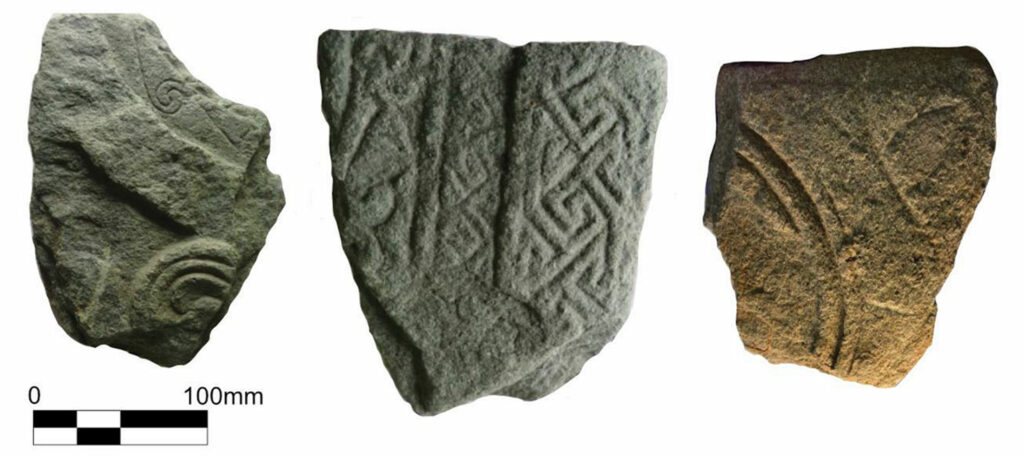
Inside the temple, researchers found several fragments of a dedicatory inscription. The text confirmed that the structure was dedicated to Mars. «We also have the remains of a Mars statue,» Mückenberger said.
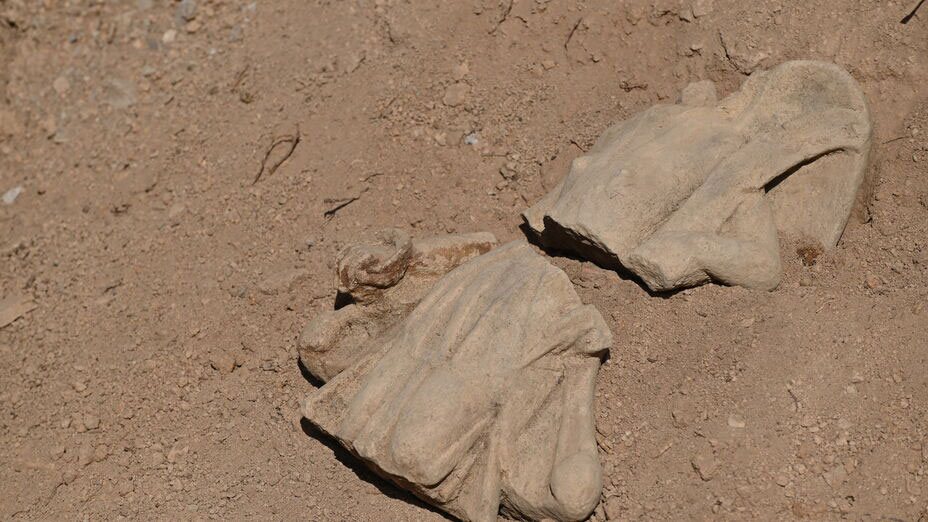
Among the most striking finds is a statue of a winged figure holding a palm branch and a laurel wreath. Scholars believe it depicts the Roman goddess Victoria, the personification of victory in battle. The combination of Mars and Victoria in a single religious complex suggests the settlement's residents placed a premium on military success and divine protection.
The settlement itself appears to have been home to more than just soldiers. Merchants and the families of military personnel lived in the community, which served as a civilian counterpart to the fort. Such settlements, known as vici, were common features of Roman frontier life, providing goods and services to the garrison while offering a place for camp followers and traders to settle.
The Kapersburg Roman Fort is part of the Upper Germanic-Rhaetian Limes, a vast frontier system that once marked the edge of Roman territory in central Europe. The limes stretched for hundreds of kilometers across what is now Germany, and its remains have been the subject of archaeological study for more than a century. The fort at Kapersburg is one of many along the line, but the preservation of the surrounding settlement makes it a particularly valuable site for understanding how Roman military and civilian life intertwined.
The discovery of the Mars temple adds a religious dimension to that picture. Roman soldiers and their families routinely worshipped a pantheon of gods, often seeking favor from deities associated with war, fortune, and protection. Mars held a special place in military communities, and dedications to him are common in frontier zones. The inscription fragments and the statue remains point to a formal, organized cult practice rather than casual devotion.
Excavations at the site are ongoing, and researchers expect further analysis of the inscription fragments to yield additional details about who dedicated the temple and when. The identity of the dedicant could shed light on the social and economic standing of the settlement's residents, as well as their connections to other parts of the empire.
The find also underscores the richness of the archaeological record in the Taunus region. Just a short distance away lies the site of Nida, a Roman town where an intact first-century A.D. wooden cellar was previously unearthed. Together, these sites paint a detailed portrait of Roman life on the northern frontier, from military installations to civilian settlements and their places of worship.
For now, the Mars temple stands as a reminder that the Roman frontier was not merely a line of forts and soldiers. It was a living landscape of families, merchants, and believers who brought their gods with them to the edge of the known world.
8