Archaeologists have discovered additional stone circles at the Hunn burial ground in eastern Norway, using ground-penetrating radar to detect ring ditches that had remained hidden beneath the surface. The find adds new detail to a site already known for standing stone circles that were erected in the South Field some 2,000 years ago.
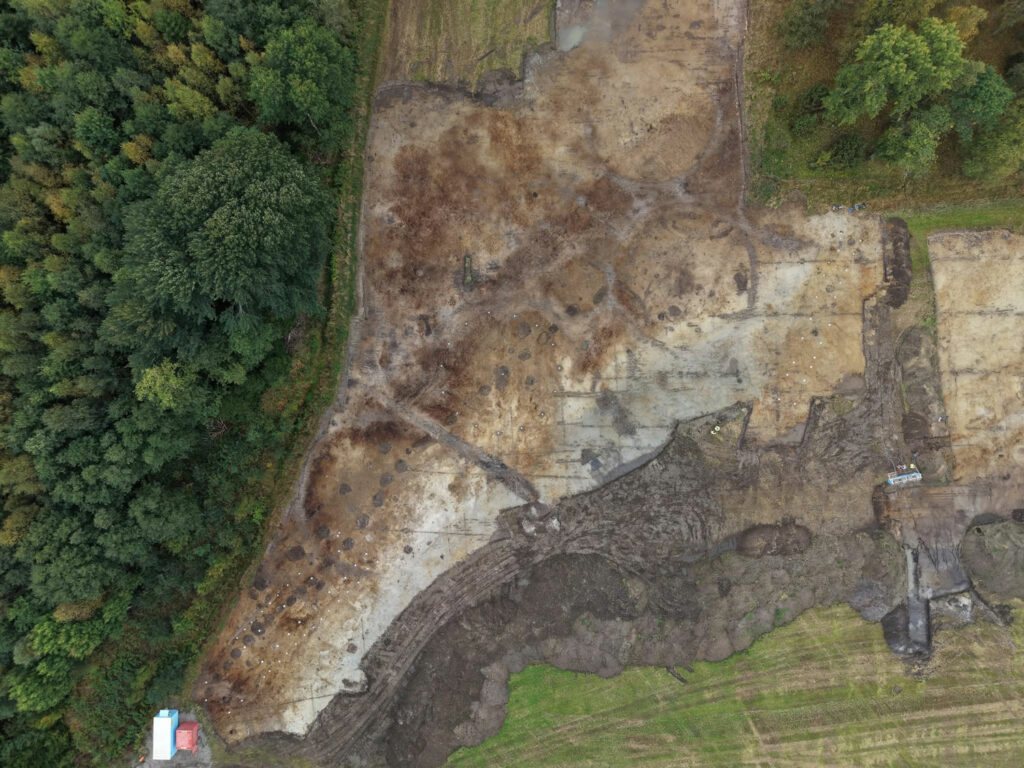
The newly identified circles were located in the West Field, an area where traces of large burial mounds are still visible. According to a Science Norway report, the rings appear to be part of the same ancient funerary landscape, though their exact function remains under investigation.
Anne Lene Melheim of Norway's Museum of Cultural History offered two possible explanations for the circles. «They may have made the circle first in order to plan the construction of the burial monument, or it may have formed because people walked in a circle around it,» she said. Both interpretations point to deliberate, ritualized activity connected to the commemoration of the dead.
Jakob Jan Edvin Kile-Vesik, also of the Museum of Cultural History, said the team is confident that standing stones once stood at the site. «We are quite certain that standing stones were erected here,» he said. The ring ditches would have held the stones in place, forming a visible marker on the landscape.
In addition to the circles, researchers have spotted several possible graves in the area. The combination of burial mounds, ring ditches, and potential grave sites suggests the West Field served as a significant cemetery over an extended period. The South Field's stone circles were already known to have stood roughly two millennia ago, and the new findings indicate that the burial ground was larger and more complex than previously understood.
Ground-penetrating radar allowed the team to survey the area without disturbing the soil, revealing subsurface features that would be difficult to detect through excavation alone. The technology has become increasingly important in archaeology, offering a non-invasive way to map buried structures and plan further research.
The Hunn site has drawn attention before. Stone circles in southern Norway, dating to the first millennium B.C., were previously found to mark the burials of children. Those monuments, sometimes called «Monuments to Youth,» highlight the varied ways ancient communities honored their dead. The Hunn discovery adds to a growing picture of how prehistoric Scandinavians used stone settings and circular layouts in funerary rituals.
Researchers at the Museum of Cultural History continue to analyze the radar data and the possible graves. Further study may clarify whether the West Field circles were built before, after, or alongside the known monuments in the South Field. For now, the findings underscore the value of combining modern survey methods with careful archaeological interpretation.
The discovery also raises questions about the social and symbolic meaning of the circles. If the rings were laid out to plan a burial mound, they may represent an early stage of construction. If they formed through repeated walking around a central point, they could reflect communal rituals that left a physical trace in the ground. Either way, the circles offer a rare glimpse into the planning and performance of ancient funerary practices.
Excavations at Hunn are ongoing, and the team expects to publish more detailed results as analysis proceeds. The site remains an important source of information about burial customs in eastern Norway during the first centuries of the common era.
9