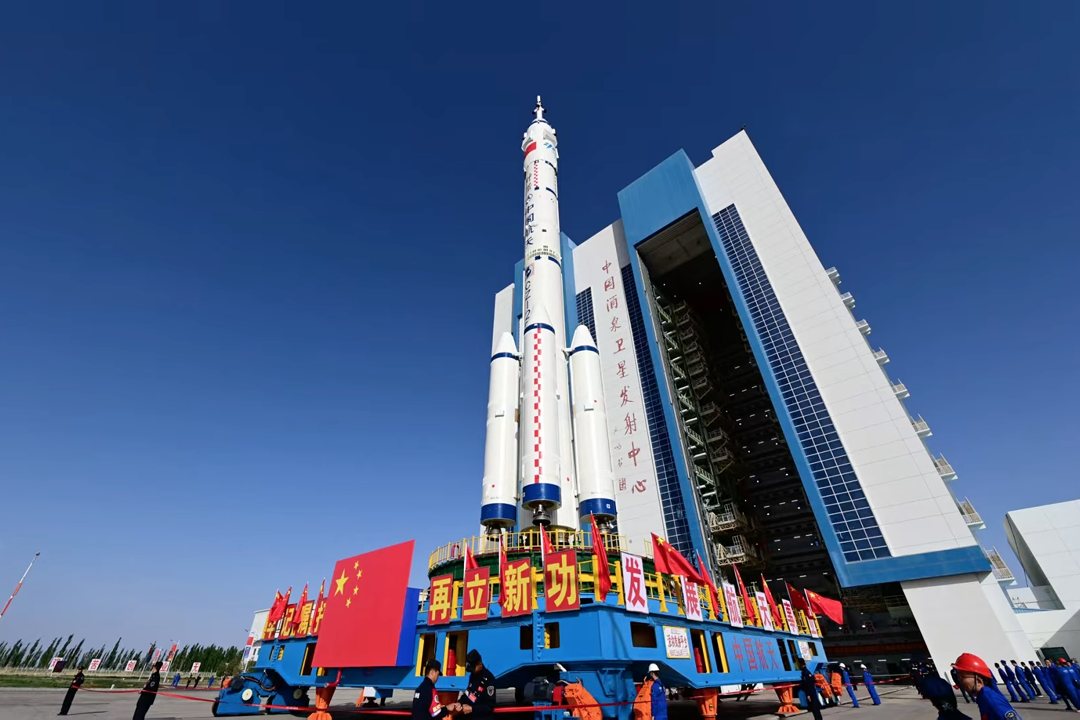
China's Shenzhou-24 spaceflight is set to carry out 90 scientific experiments and technology tests while its crew is in orbit. The program covers a broad range of work, from space life sciences and materials science to aerospace medicine and emerging space technologies, making it one of the more wide-ranging research agendas tied to a single Chinese crewed mission.
Among the health studies planned is research into vascular ageing in space. Investigating how the circulatory system changes during extended time away from Earth is an important part of the broader effort to understand astronaut health, since long-duration spaceflight can affect the body in ways that matter for future missions, including longer stays on orbiting stations and eventual trips farther into the solar system. Astronaut health research is treated as a core element of the program rather than a side project.
The reporting that describes the mission, which was published by the Hong Kong-based outlet CLB, offers a high-level overview of the agenda but leaves many questions open. Details of individual experiments, their timelines and their objectives were not provided, and the report does not name the crew or give a launch date. It also does not disclose any results, so what the experiments will ultimately show remains unknown.
Even with those gaps, the scale of the plan signals how central crewed research has become to China's space ambitions. Shenzhou missions have steadily expanded the types of work carried out in orbit, and a program that combines life sciences, materials research and medicine points to a continued push to turn time in space into practical knowledge for both astronauts and the wider scientific community.
Credit. Based on reporting for China Labour Bulletin Board. Is this your work? Write to us.
21