Ancient Petroglyph in Sudan May Depict Kushite King
A life-sized rock carving at Miseeda in northern Sudan may represent an ancient Kushite ruler, according to researchers from the University of Warsaw. A church built around the image in …

Discipline
News, research analysis and evidence-based explanation. 20 stories in this section.
A life-sized rock carving at Miseeda in northern Sudan may represent an ancient Kushite ruler, according to researchers from the University of Warsaw. A church built around the image in …

Cut marks on the bones of extinct tusked mammals at Lake Tagua Tagua in central Chile show that people were butchering gomphotheres between 12,000 and 13,000 years ago, adding to …
Ancient DNA from medieval Swedish burials shows that adults and children interred together were often not immediate relatives, suggesting burial choices reflected social bonds and early gender-based customs rather than …
Archaeologists and historians continue to search for the burial site of the Mongol leader, whose secret grave has never been found despite centuries of effort.
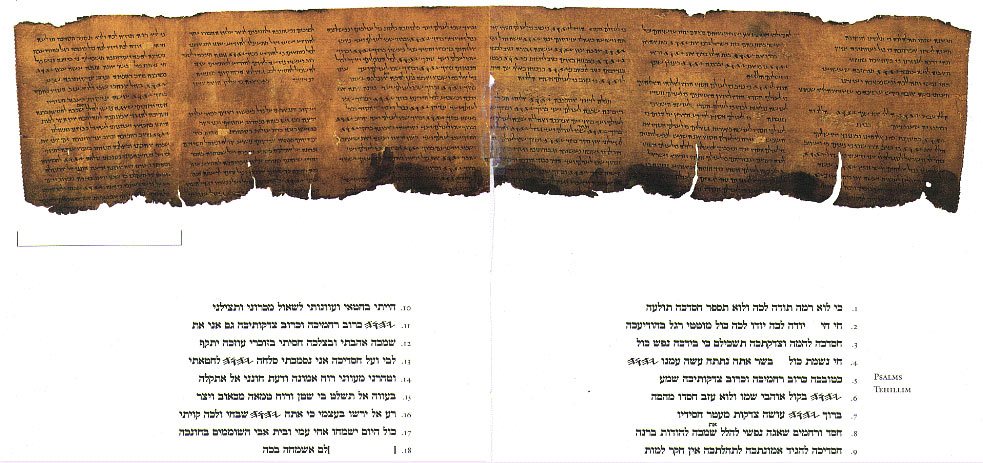
Researchers found that trace amounts of lead in ancient ink make writing inside burned papyrus scrolls stand out sharply in X-ray scans, a technique that could help recover lost Greek …
A National Geographic compilation uses maritime archaeology and digital reconstruction to examine the Wild West, the Alamo, and the Gold Rush, challenging popular myths with physical evidence.
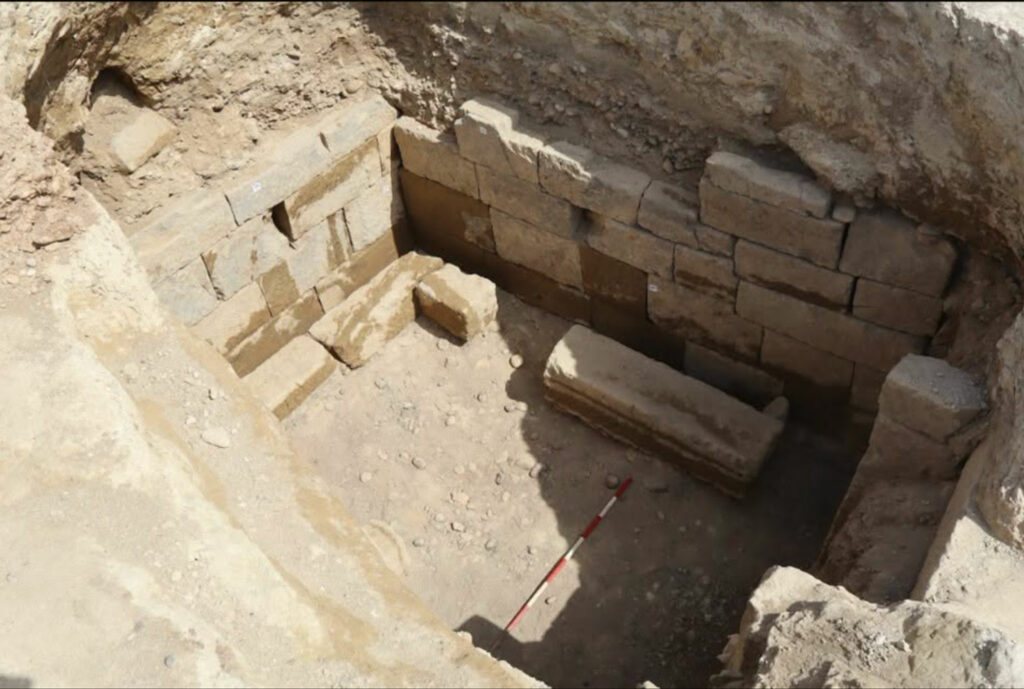
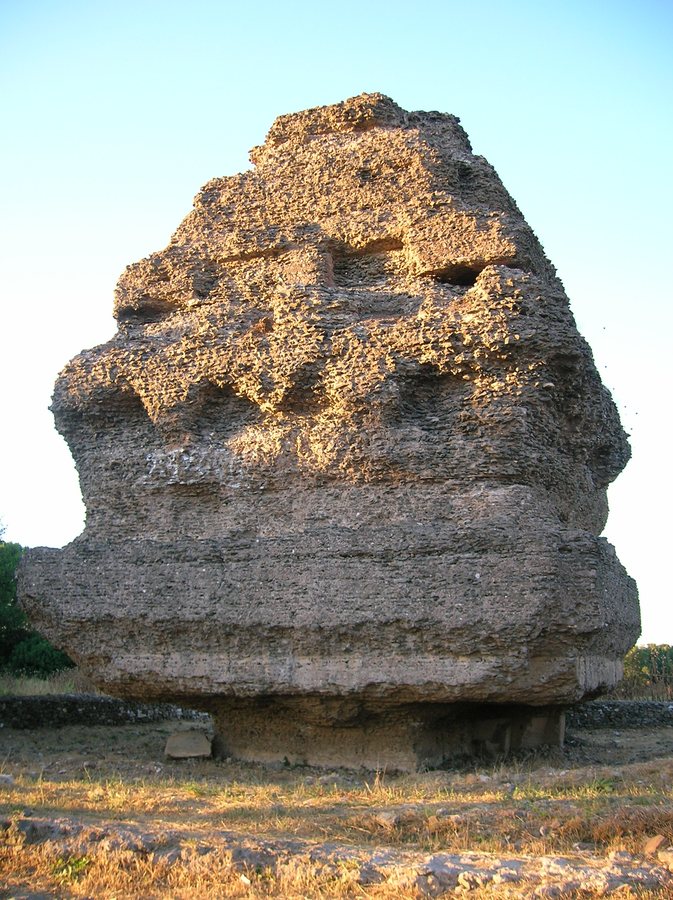
Archaeologists from Egypt's Supreme Council of Antiquities have uncovered a pyramid-shaped tomb at Bir Al-Shaghala in the Dakhleh Oasis, dating to the late third or early fourth century A.D. The …
Archaeologists have uncovered a late seventh-century B.C. Etruscan tomb near Vulci, Italy, containing imported Greek ceramics, Egyptian or Rhodian alabaster, and other luxury goods that illuminate the reach of Mediterranean …
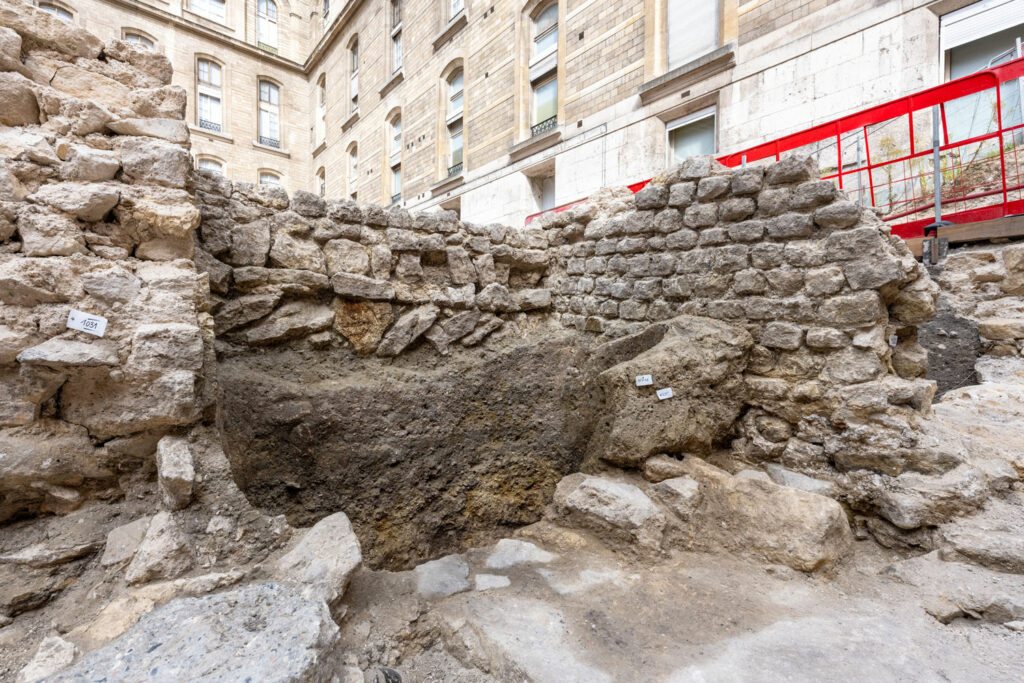
A 65-foot section of ancient wall found beneath the Hôtel-Dieu hospital on the Île de la Cité may be part of the ramparts of Lutetia, the Gallic settlement of the …
Archaeologists have uncovered a roughly 20-metre stretch of Gallo-Roman wall beneath a building on the Île de la Cité, near Notre Dame Cathedral. France's culture ministry calls the find a …
High-resolution laser scanning at Kition Kathari in Cyprus has uncovered 23 previously unknown ship carvings on a Late Bronze Age temple wall, expanding the known corpus of maritime imagery and …
Researchers have developed a method to read text from carbonized ancient scrolls without opening them, by creating and burning their own papyrus to study how writing glows under advanced imaging.
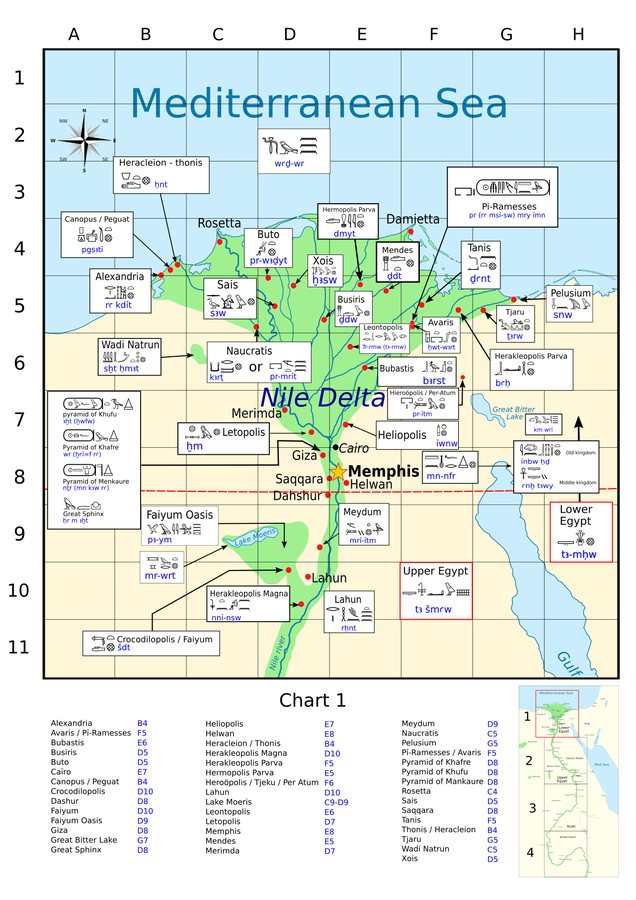
Excavations at Tell el-Yahudiya, the ancient city of Leontopolis, have revealed traces of a Roman camp and rare rock-cut tombs dating from the New Kingdom through the Late Period, Egypt's …
A copper-alloy pendant dated to the eleventh century, bearing a Christian warrior-saint on one side and a Medusa-like figure on the other, has been unearthed in Staraya Russa, suggesting earlier …
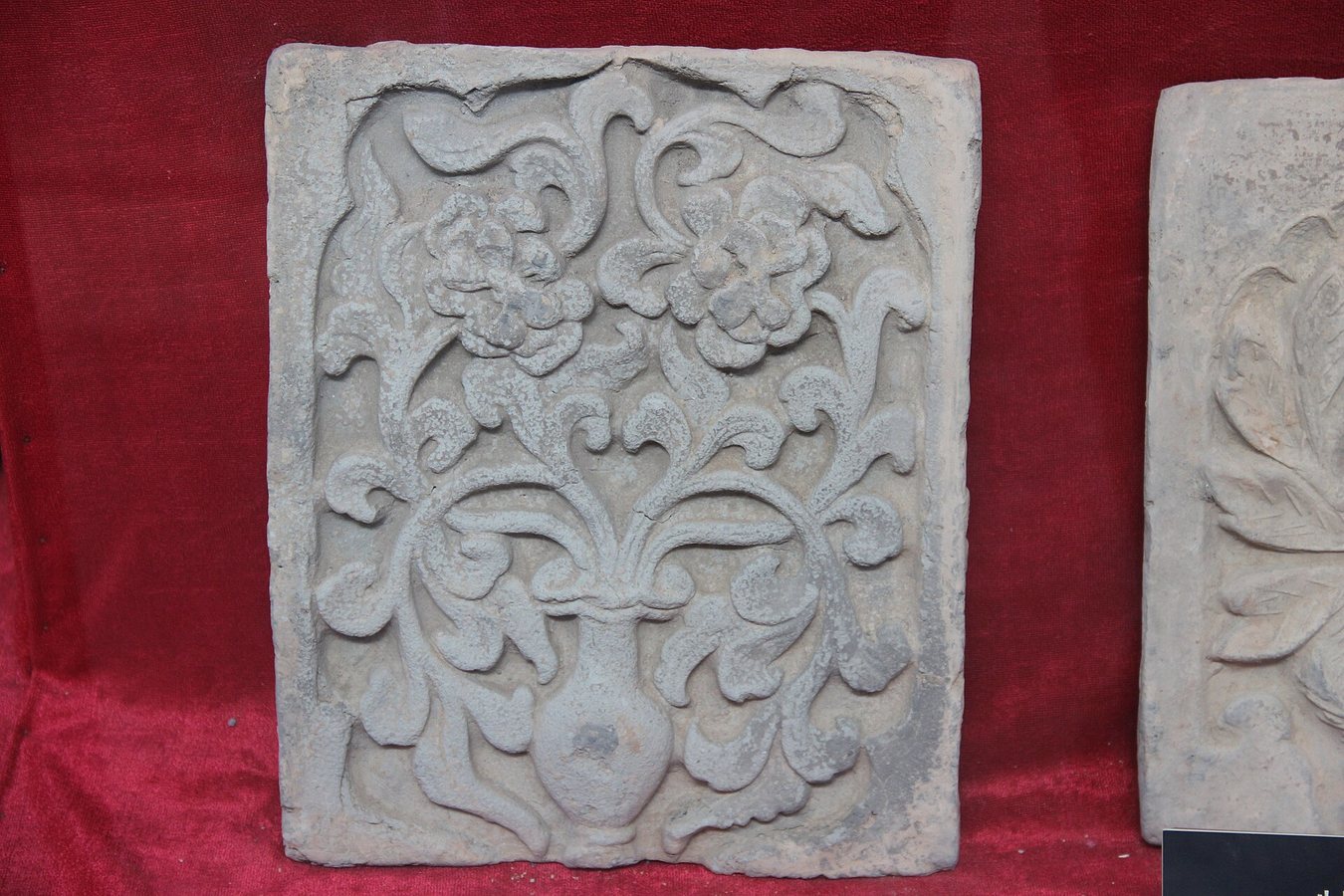
Rescue excavations in north-central Vietnam have uncovered two undisturbed vaulted brick tombs dated to between the fourth and sixth centuries A.D., yielding a rich assemblage of ceramics, metalwork, and personal …
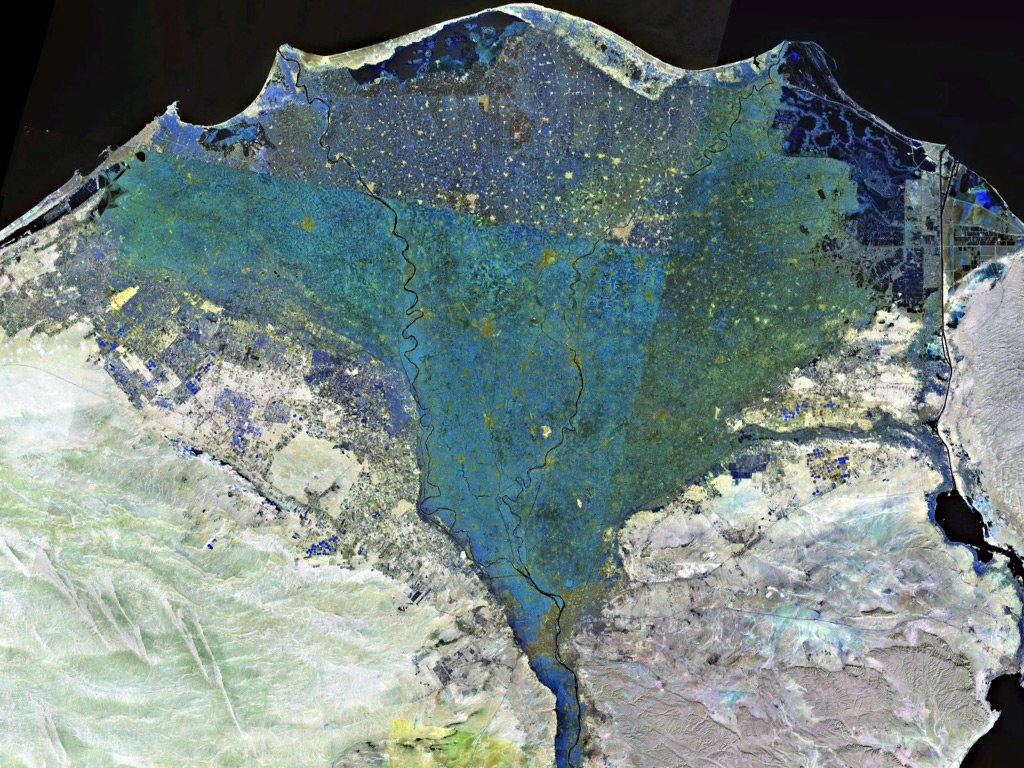
Excavations at Tell Al-Abqain in the Nile Delta have revealed a New Kingdom fortress with mudbrick homes, planned streets, grain silos, pottery ovens, and the deliberate burial of a horse, …
Archaeologists excavating the western necropolis of Salona, capital of Roman Dalmatia, have documented 16 inhumation and 16 cremation burials, including a face-down grave with glass vessels and a date-shaped perfume …
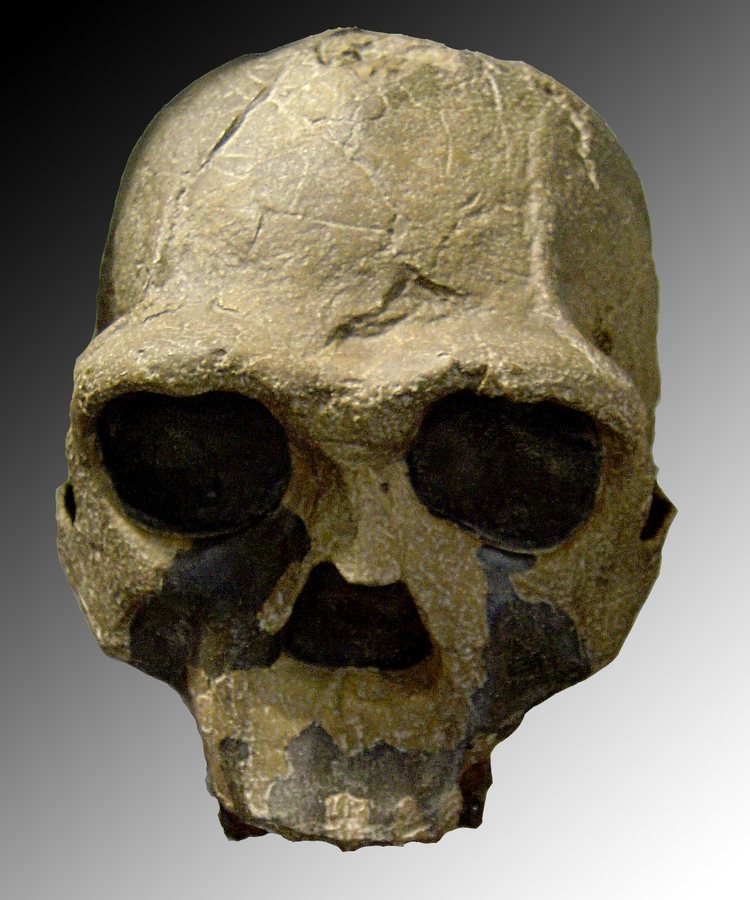
New research led by paleoanthropologists at the University of the Witwatersrand and the University of Southern California offers fresh evidence on when early human ancestors stopped regularly climbing trees and …
Excavations at Troy have uncovered the ancient city's earliest agora, a marketplace that was revived by settlers roughly 80 to 90 years after the Late Bronze Age collapse, according to …
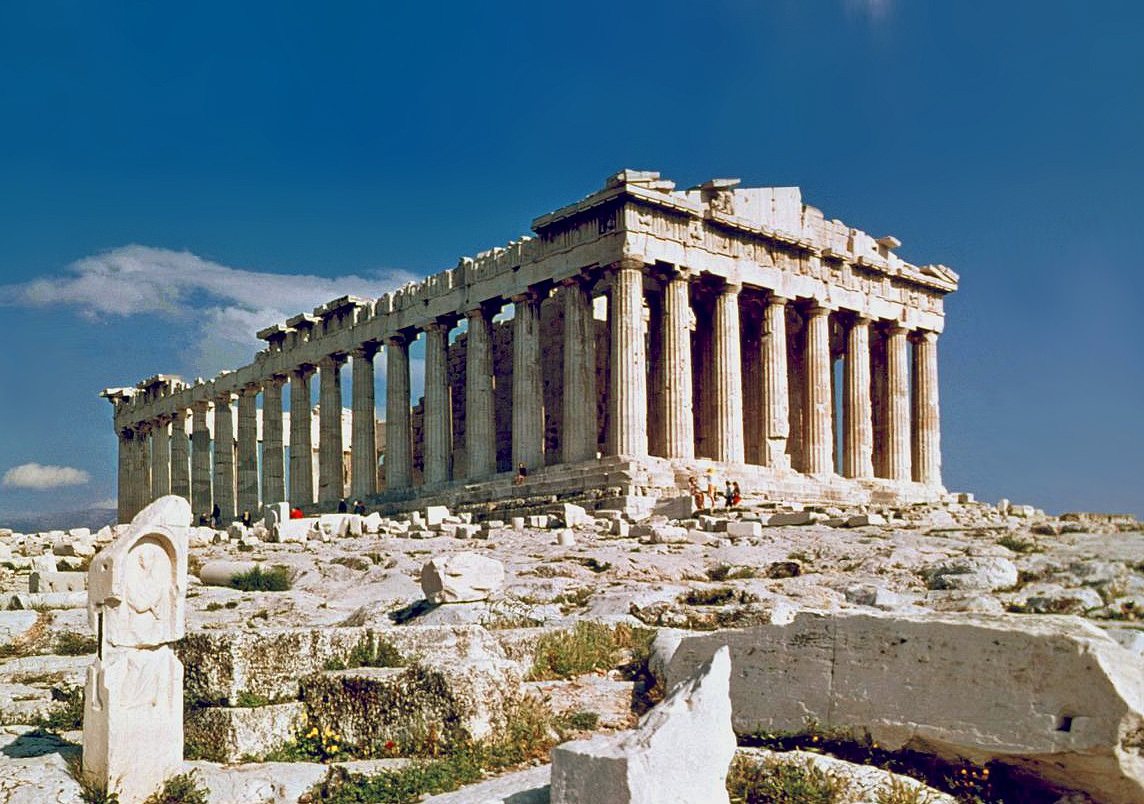
A new mathematical analysis finds no evidence that the Parthenon's curved architectural refinements were designed to correct visual illusions, suggesting practical engineering reasons instead.