Researchers have developed a technique that could allow them to read the contents of ancient scrolls that were turned to carbon by volcanic heat, without ever unrolling the fragile documents. The method, described in a study published in Nature, involves making and burning their own papyrus samples to understand how text behaves when illuminated by advanced imaging technology.
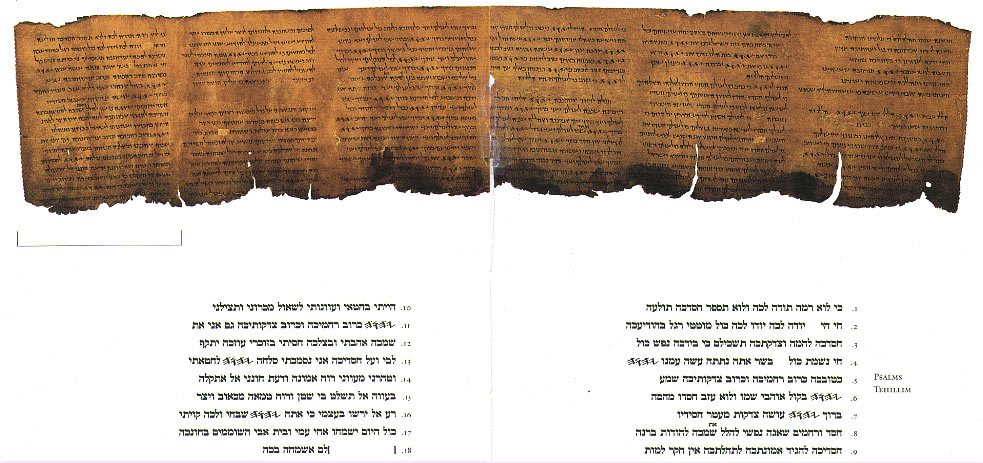
The work focuses on scrolls from Herculaneum, a Roman town buried by the eruption of Mount Vesuvius in 79 AD. Hundreds of scrolls were carbonized by the intense heat of the eruption, leaving them too brittle to open. For centuries, scholars have been unable to read them without destroying them. The new approach offers a way to extract text from these unopened scrolls by detecting how the ink glows under specific imaging techniques.
The research team created their own papyrus, wrote on it, and then burned it under conditions designed to mimic the carbonization process that preserved the Herculaneum scrolls. By studying these laboratory-made samples, they were able to observe how the text responds to different imaging methods. The goal is to develop a reliable technique that can be applied to the real scrolls, potentially revealing lost works of ancient literature, philosophy, and science.
The Herculaneum scrolls are part of a library that may have belonged to a wealthy Roman family, possibly including the father-in-law of Julius Caesar. Previous efforts to read them have used X-ray tomography and machine learning to detect ink patterns, but the carbonized ink and papyrus often have similar densities, making it difficult to distinguish text from the background. The new method appears to address this challenge by focusing on how the ink glows when exposed to certain wavelengths of light.
According to the study, the researchers made their own papyrus and burned it to replicate the conditions of the ancient scrolls. This allowed them to test and refine their imaging approach in a controlled setting. The technique might eventually help read glowing text from unopened scrolls, offering a non-invasive way to access their contents.
The ability to read these scrolls without unrolling them would be a major breakthrough for archaeology and classics. It could unlock texts that have been inaccessible since antiquity, providing new insights into the intellectual life of the Roman world. The Herculaneum library is the only large-scale library to survive from the ancient Mediterranean, and its scrolls may contain works by authors whose writings are otherwise lost.
The research also has implications for the preservation of other fragile documents. By understanding how burnt papyrus responds to imaging, scientists may be able to develop similar techniques for other carbonized or damaged manuscripts. The method could be adapted to study scrolls from other archaeological sites where fire or volcanic activity has preserved texts in a charred state.
The team’s approach involves making and burning their own papyrus, which allows them to study the behavior of ink and papyrus under controlled conditions. This is a significant step toward reading the Herculaneum scrolls, as it provides a way to test imaging techniques without risking the original documents. The next step will be to apply the method to the actual scrolls, which are held at the National Library of Naples and other institutions.
If successful, the technique could lead to the recovery of a vast amount of ancient knowledge. The Herculaneum scrolls are thought to contain works by Philodemus, a Greek philosopher, and possibly other authors. Reading them could transform our understanding of ancient philosophy, literature, and science. The new method offers a promising path toward that goal, using modern technology to peer inside documents that have been sealed by disaster for nearly two millennia.
10