A rock-cut tomb unearthed in a park known as the Messapian Walls in Manduria, in southern Italy, may have held the remains of a priestess of Demeter, the Greek goddess associated with agriculture and fertility. The tomb is roughly 2,200 years old, and researchers say its contents point toward a religious figure, although that identification has not been confirmed.
The tomb's interior is painted with a range of symbols. Among them are a sanctuary key, geometric patterns and a decorative border. A ritual incense burner was also placed among the tomb's decorations, a detail that fits with a burial connected to religious service. Such objects help archaeologists reconstruct the rituals and beliefs of the period.
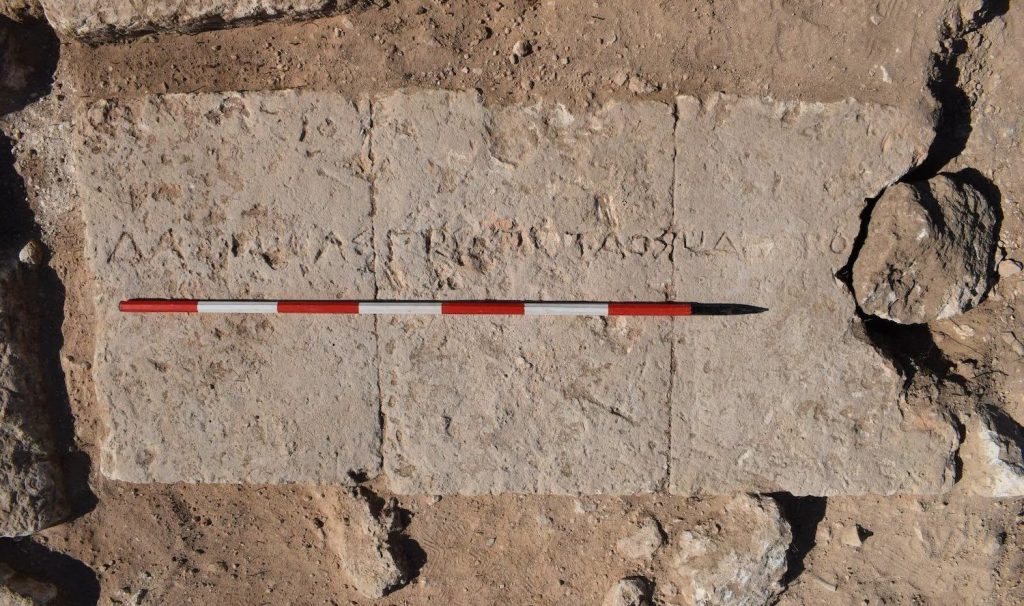
Inscriptions add further context. One was written in Messapic, the pre-Roman language spoken in southeastern Italy, and a second was found nearby on a stone slab. Language evidence like this can link a burial to the local community that made it, and it may help clarify who was honored there and how they were remembered.
The priestess identification remains tentative, and further study is needed before researchers can say with confidence who was buried in the tomb. The find is notable because it offers a glimpse of religious life in the region around two millennia ago. The discovery was first relayed in a report by Greek Reporter rather than in a primary research publication.
Credit. Based on reporting by Jessica Esther Saraceni for Archaeology Magazine. Is this your work? Write to us.
12