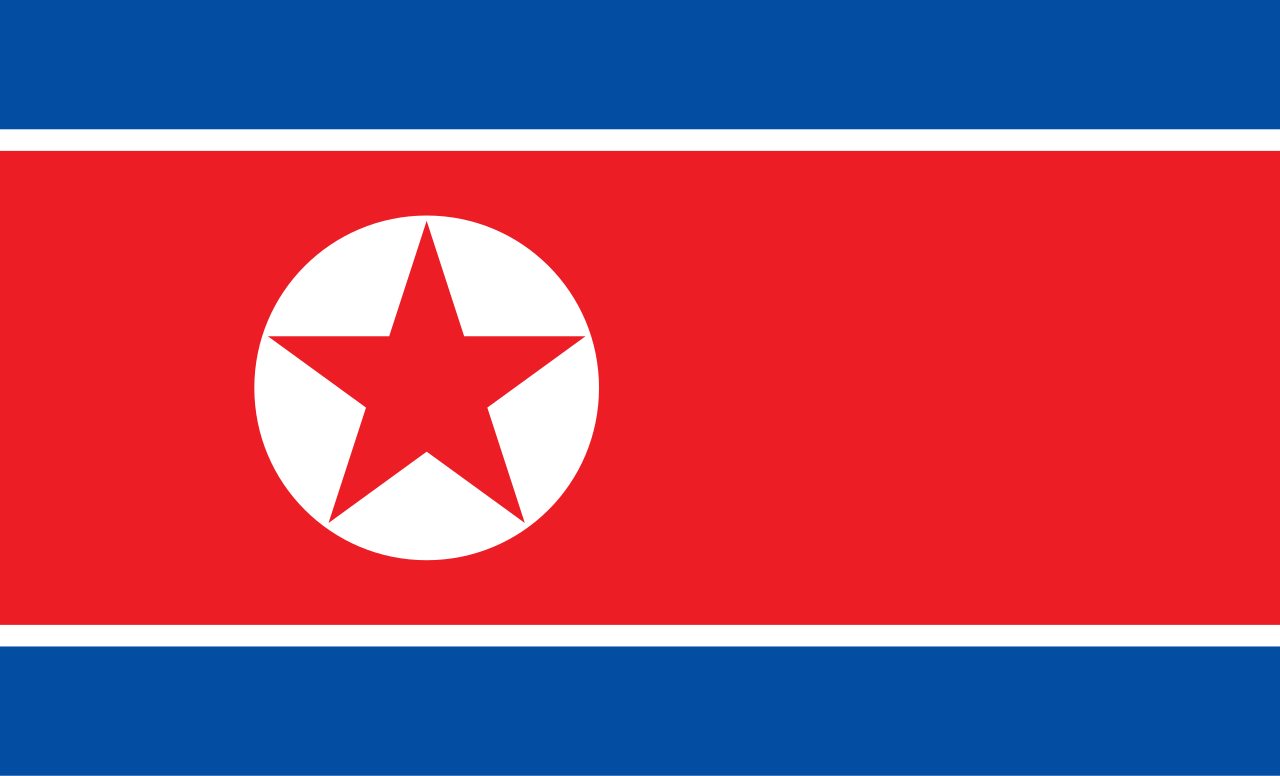
North Korea has framed 2025 as the opening year of a national "health revolution," a campaign announced by leader Kim Jong Un. For a country that remains largely closed to outside observers, the phrase signals that public health is now a stated state priority, though the details of what the campaign involves remain thin in official messaging.
Independent verification is difficult. Foreign researchers have limited access to the country, and information about its health system typically comes through state media and official statements. That makes the country's own medical journals a potentially useful resource. Such publications can offer clues about clinical practice, research priorities and the direction of health policy, yet they have been used only sparingly in global health analysis.
The gap matters for anyone trying to understand how health conditions and services are changing inside North Korea. Reading the domestic medical literature alongside official announcements could help outside experts test whether the rhetoric of a health revolution is reflected in actual medical activity. The commentary, published in The Lancet, argues that these sources deserve closer attention from the international health community.
Credit. Based on reporting for The Lancet. Is this your work? Write to us.
4