Archaeologists in north-central Vietnam have excavated two vaulted brick tombs dated to between the fourth and sixth centuries A.D., recovering an unusually rich and largely undisturbed assemblage of grave goods from a site in the Lam River basin.
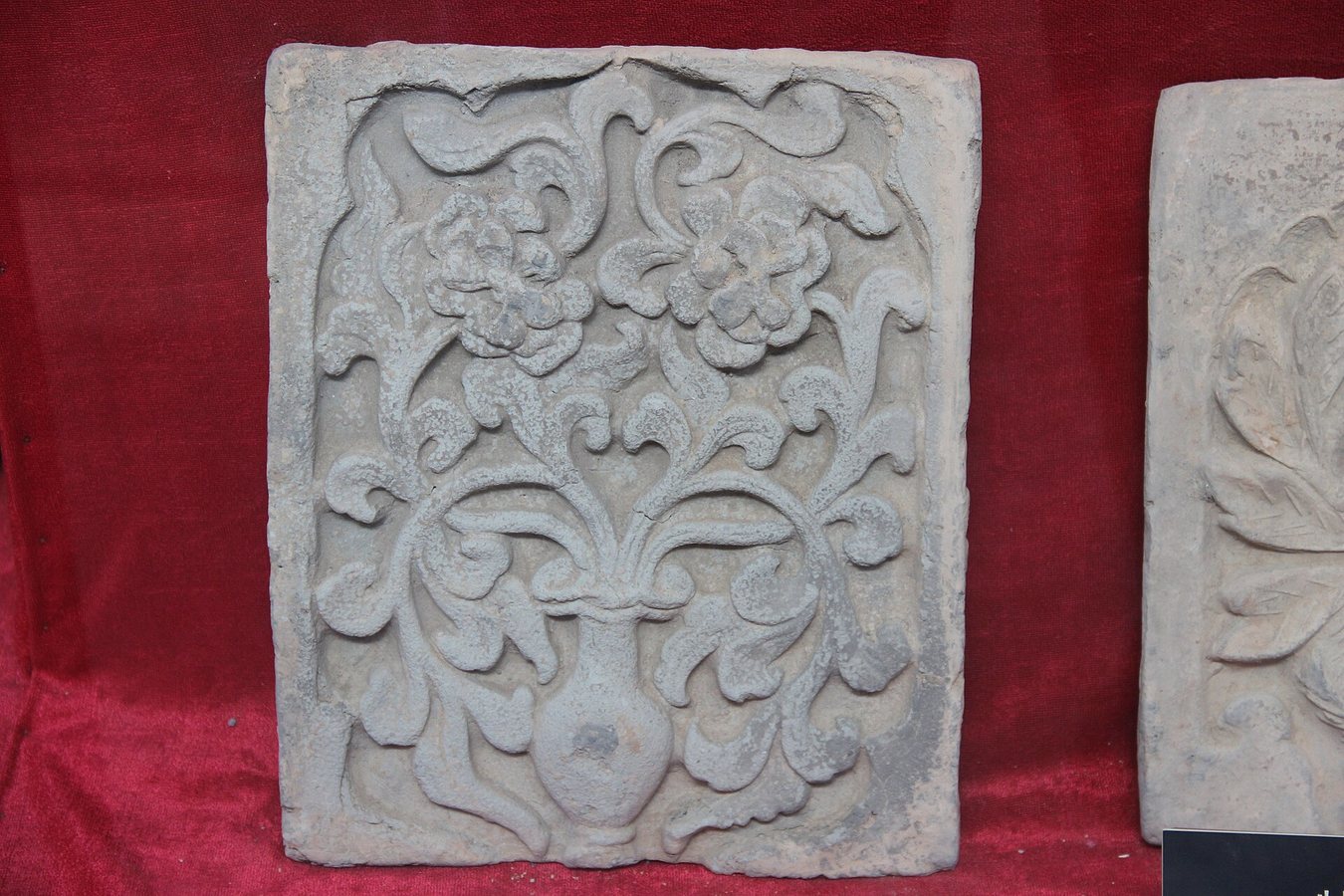
The Ru But brick tomb site came to light last spring when a local resident began planting trees in the area, prompting rescue excavations. According to Nguyen Van Anh of Vietnam National University, both structures were built from low-fired red or grey rectangular bricks in varying sizes. A small number of the bricks carry decoration on their narrow edges, including checkerboard patterns, rosettes, and X shapes.
Each tomb consists of three elements: a burial pit, an entrance passage, and a burial chamber. Anh said those architectural features place the tombs between the fourth and sixth centuries A.D.
The burials produced a broad range of objects. Excavators recovered glazed bowls, lids, cups, and dishes, along with a possible earthenware lampstand. Earthenware pots, jars, bottles, spindle whorls, and cups were also found, as were jars, lids, and cups made of stone. Personal ornaments and small valuables included crystal beads, coins, a bronze ladle, and iron bracelets. Metal knife blades, handles, swords, cleavers, and knives rounded out the assemblage.
Anh emphasized the rarity of the find. «These are among the few brick tombs that had not been disturbed before being exposed,» Anh said. The lack of prior disturbance is significant because intact burials allow researchers to study how objects were arranged in relation to the body and to one another, information that is typically lost when a tomb is looted or excavated informally.
The site will be backfilled until a more comprehensive investigation of the site and the surrounding area can be arranged. That decision reflects a common practice in rescue archaeology, where a discovery made during construction or land clearing is documented and protected so that a fuller research program can be planned later.
The tombs add to a growing body of evidence about brick-built burial traditions in the region during the first millennium A.D. The decorated bricks, in particular, offer a point of comparison with other brick tomb sites in Vietnam and neighboring parts of Southeast Asia, where similar geometric and floral motifs appear on funerary architecture.
The Lam River basin discovery also underscores how routine land use can expose archaeological deposits. In this case, a resident planting trees revealed the site, setting in motion the rescue excavation that documented the two tombs before further work could be organized.
For now, the artifacts and the structures themselves remain the focus of study, with the site protected under backfill. Researchers expect that a broader investigation of Ru But and its surroundings will clarify how the tombs fit into the wider settlement and burial landscape of the period.