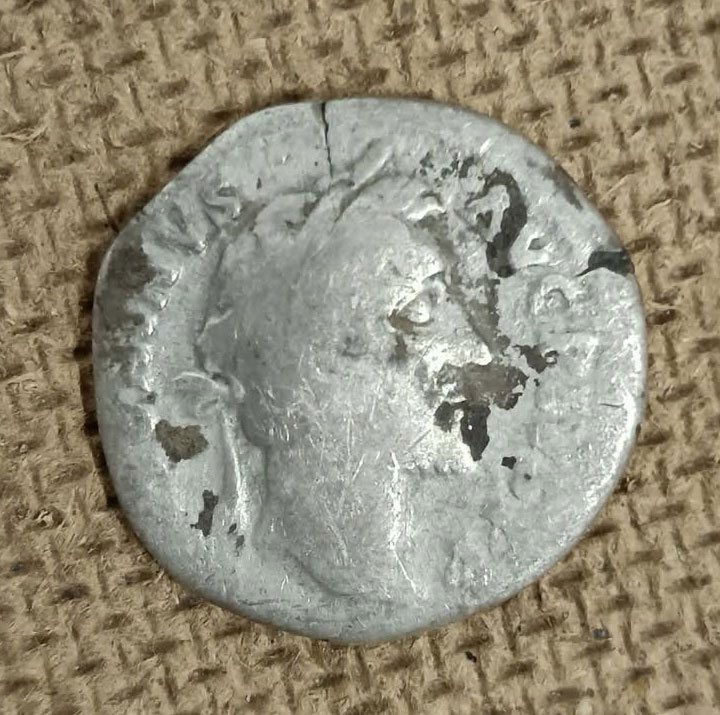
Archaeologists from the Rippl-Rónai Museum have recovered more than 700 Roman coins from three sites near the Drava River in Somogy County, in southwestern Hungary. The finds, first reported by Hungary Today, offer a substantial new snapshot of Roman-era activity along the river, a region that lay within the empire's northern frontier zone.
Most of the coins have been dated to the rule of the emperor Constantine, who reigned from A.D. 307 to 337. Silver coins from earlier reigns have also been identified, including those of Antoninus Pius (A.D. 138–161), Severus Alexander (A.D. 222–235), Aurelian (A.D. 270–275), and Probus (A.D. 276–282). The spread of dates covers more than a century and a half of imperial rule, which suggests that the sites were used or visited across several generations rather than during a single brief episode.
Among the finds is a coin known as a «consecration coin,» which is thought to have been minted to mark the death of the emperor Claudius II, who reigned from A.D. 268 to 270, and his deification afterward. Coins of this type commemorated emperors who were honored as divine after death, and the presence of one in the collection is a notable detail for researchers studying how imperial propaganda reached provincial communities.
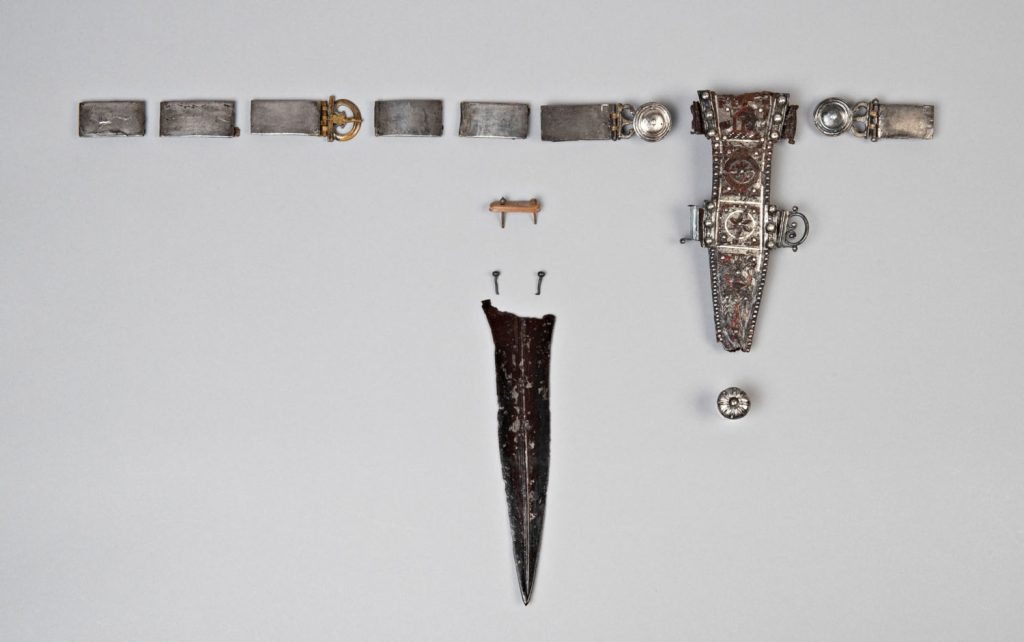
The excavations also produced pottery, brooches, and fragments of a scale. Brooches were used to fasten clothing and are often among the more personal objects recovered from settlements, while scale fragments point to weighing and exchange, activities that the coin finds also suggest. Taken together, the assemblage gives archaeologists material evidence for the everyday life, dress, and commercial activity of people living along the Drava.
The three sites were located close to the river, a route that carried trade and movement through the region during the Roman period. The source material does not provide the excavation dates, the names of the individual sites, or the specific conclusions the researchers have drawn about their function, so those details remain unconfirmed. What is clear is that the Rippl-Rónai Museum team has brought together a large numismatic and artifact record from a single river corridor.
The find was also covered by Archaeology Magazine, which noted the coins' imperial range and the presence of the consecration coin. Readers interested in how Roman rulers shaped the empire's physical landscape can find related coverage of a major building project undertaken by Antoninus Pius, an emperor whose coins are among those recovered in Hungary.
19