The European Space Agency (ESA) marked October with a run of discoveries and milestones across its missions, from preparations for Mars to new observations of Earth's magnetic environment and the study of asteroids. The agency summarized the month in a video overview, highlighting several projects that moved forward at the same time.
On the Mars front, the team behind the Rosalind Franklin rover trained in Spain's desert, preparing for the rover's eventual mission to the Red Planet. Operating a rover on another world depends on rehearsals of this kind, in which crews practice driving, sampling and decision-making in conditions that resemble the target environment. In a separate planetary result, Mars Express uncovered new clues about a giant cloud over Mars, adding to the orbiter's long record of observations of the planet's atmosphere. The source material does not specify the cloud's size or composition, so those details remain outside this report.
The Smile mission also produced a notable image, capturing the full ring of northern lights around Earth. The observation shows the auroral oval encircling the planet's northern region, a view that helps scientists study how the solar wind interacts with Earth's magnetosphere. Viewing the full ring at once gives researchers a global picture that a single ground-based observer cannot provide, and the mission's data is intended to improve understanding of that interaction.
Human spaceflight featured as well. ESA astronaut Sophie Adenot returned to Earth after 237 days in space. Her return closes a long mission in orbit, and the agency's communication emphasized the length of her stay as a key milestone for the European astronaut corps. Long-duration flights like hers generate data on how the human body adapts to weightlessness, which informs future crewed missions.
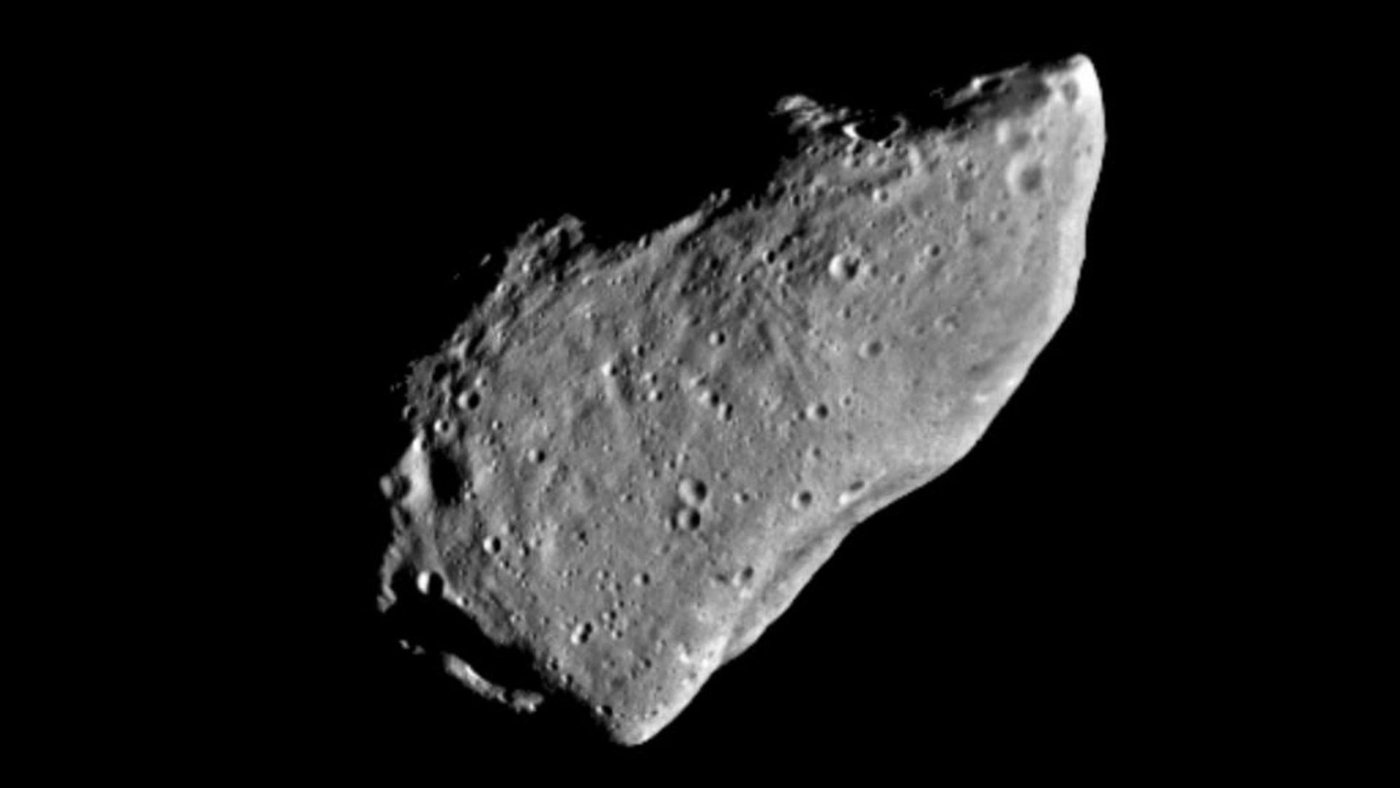
Meanwhile, the Hera spacecraft captured its first images of the asteroids it will study. Hera is designed to examine the Didymos binary asteroid system after the DART impact, with the aim of helping researchers understand how such objects respond to impacts. That knowledge bears directly on planetary defense, the effort to identify and deflect objects that could threaten Earth. The first images mark an early stage in the mission's scientific work, and the detailed investigation of the asteroids lies ahead.
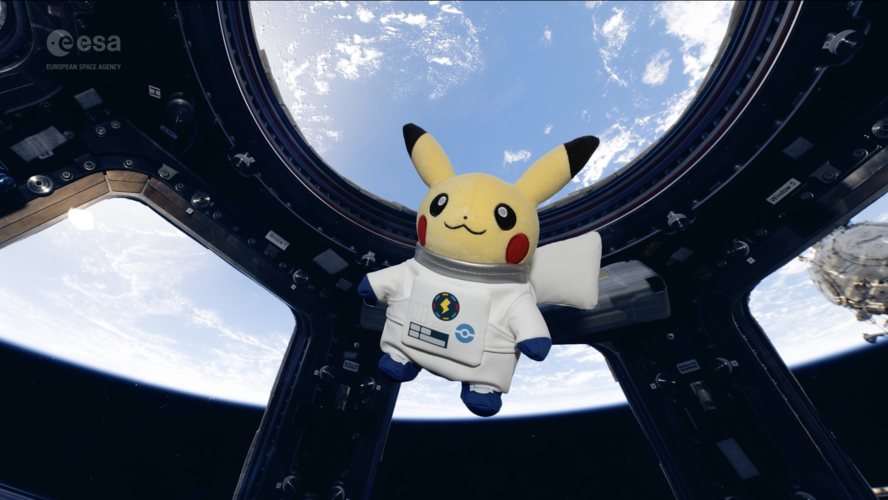
ESA also opened its doors to the public, welcoming thousands of visitors during its Open Days. The events gave people a chance to see how the agency's work is carried out and to meet the teams behind the missions. The agency teamed up with Pokémon to bring space science to new audiences, a partnership aimed at reaching younger people and families who may not otherwise engage with European space activities. Taken together, the month's events show the agency's work spanning exploration, Earth observation, human spaceflight, planetary defense and public outreach.
14