Native Hawaiians trace their ancestry to small groups that made long voyages across the Pacific, and a new genetic study suggests those journeys left a distinct mark on their DNA. Researchers led by Alexander Ioannidis of Stanford University analyzed the genomes of more than 1,000 people living in French Polynesia, 12 genomes from individuals on Rapa Nui, and genomes of people native to Hawaii, Samoa, Tonga, and Tahiti. The work was reported by Science Alert and summarized by Archaeology Magazine.
The team first used machine learning to isolate segments of Polynesian ancestry within the genomes. They then applied an identity by descent method, a technique that can identify common ancestors shared by living people and people from the past. The results show that Polynesians moved across the region in small populations. Such movements can produce a genetic bottleneck, a reduction in genetic variation that can increase the odds of harmful mutations becoming more common through what is known as the founder effect.
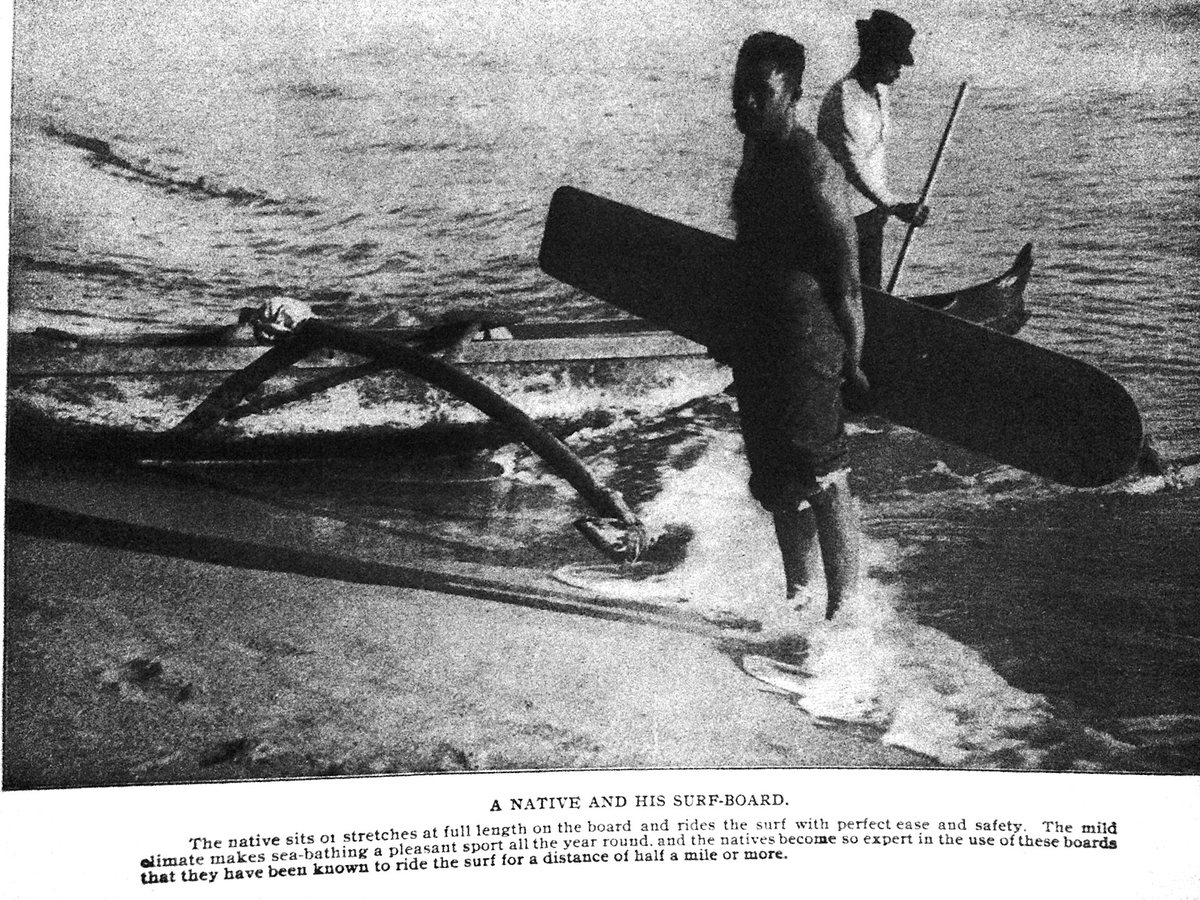
People who became Native Hawaiians are thought to have gone through a series of these bottlenecks as they traveled long distances on small double-hulled catamarans. Ioannidis pointed to the islands’ remoteness as a central factor. “Hawaii is the only Polynesian island in the Northern Hemisphere, so it’s a long way from everything,” he explained. That isolation helps explain why the genetic signals of settlement remain visible in populations today.
The study also suggests that Native Hawaiians are most closely related to the people of Rapa Nui. The two islands are more than 4,000 miles apart, and each is about 2,000 miles from another island in the chain of settlement. Both populations were also found to be related to people on Mangareva Island. Ioannidis concluded that Mangareva may have been the launching point for these populations in French Polynesia, a finding that links the genetic record to the broader sequence of voyages across the region.
The results add a genetic dimension to a history that has traditionally been reconstructed through oral traditions, navigation knowledge, and archaeological evidence. Polynesian seafarers settled a vast expanse of ocean, and by tracing shared ancestry across islands separated by thousands of miles, the researchers offer a clearer account of the routes and population movements that shaped the region. For readers interested in the islands’ earlier past, Archaeology Magazine has also published a feature on Kauai’s history.
Source: archaeology.org
20