Researchers across Europe are mourning two biologists who died in a train collision in Spain while travelling to a developmental-biology meeting. Colleagues describe Marta Shahbazi Alonso and Tamara González Costa as outstanding scientists and devoted mothers whose loss is deeply felt across the field.
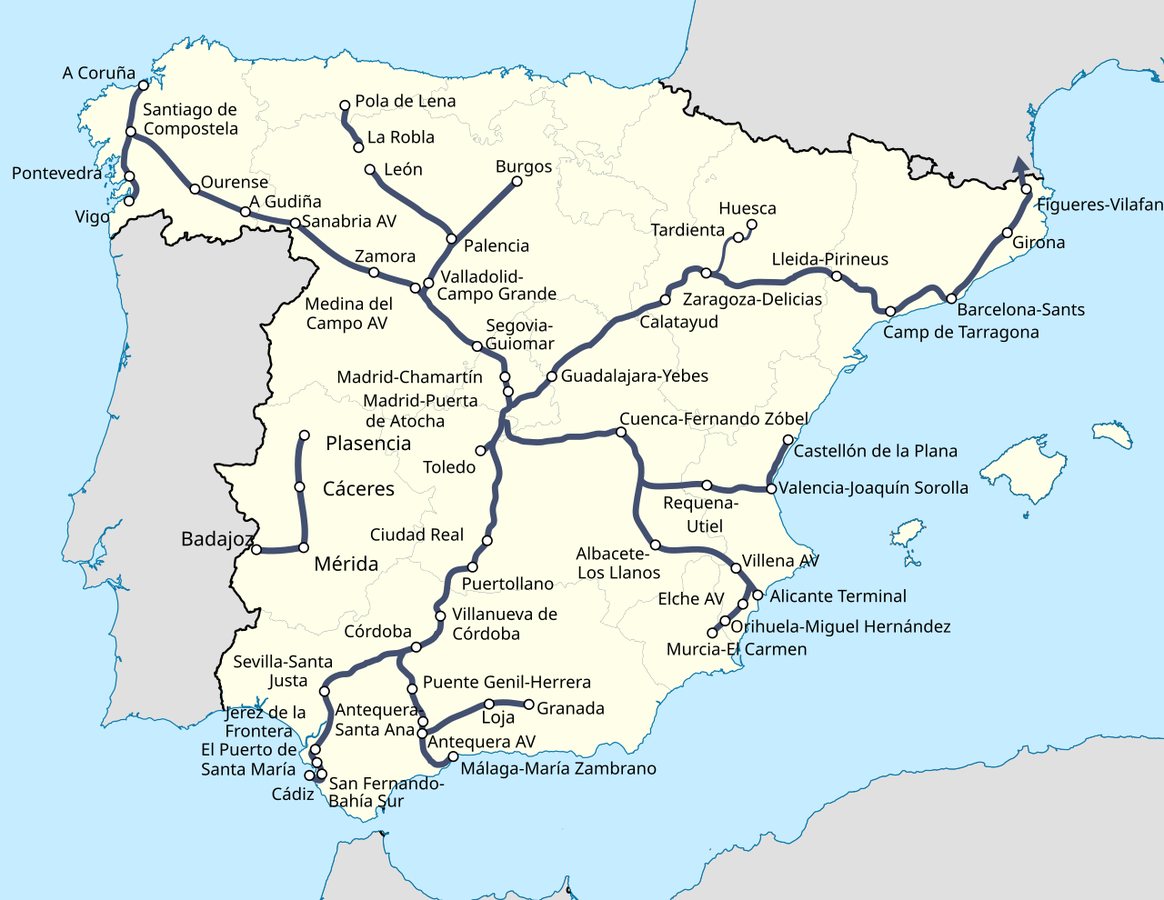
Dr Marta Shahbazi, 41, was an affiliate associate professor at the Cambridge Stem Cell Institute and a group leader at the Medical Research Council Laboratory of Molecular Biology (LMB) in Cambridge, UK. She was travelling on one of the trains involved in the collision near Urda, in the province of Toledo, on Wednesday. The crash killed at least 69 people, making it one of the deadliest rail accidents in recent years in Spain.
Tributes have described Shahbazi as an inspiring researcher. She had been travelling to a conference to receive an award for scientific excellence in developmental biology, a recognition of her work on how early embryos form and organise their cells. Her death has prompted expressions of grief from colleagues at Cambridge and from the wider stem-cell and developmental-biology community, many of whom had expected to see her at the meeting.
Tamara González Costa was also among those who died on the trains. Her colleagues have remembered her in similar terms, pointing to exceptional scientific ability combined with a commitment to her family. The two researchers were heading to the same gathering, so its participants now face the loss of colleagues they had planned to share the programme with.
The collision has drawn attention to the human side of scientific travel, in which researchers routinely cross borders to present work and build collaborations. For many in the field, the deaths of two respected biologists on the way to a meeting devoted to their discipline underline how closely professional and personal lives are bound together in academic research. Institutions and laboratories involved in developmental biology are expected to continue remembering both scientists in the coming days.
Source: nature.com
23