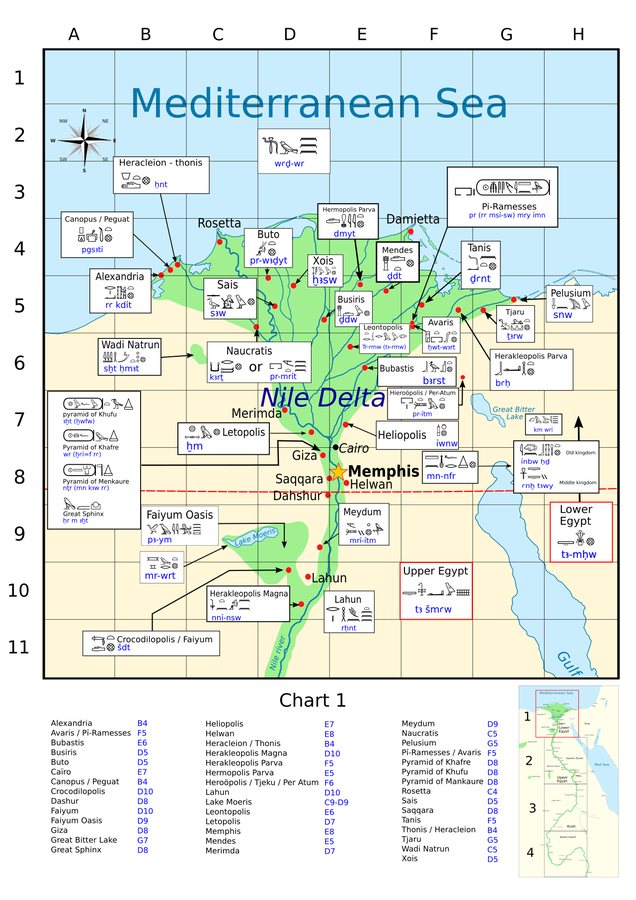
Archaeologists working in Egypt's Beheira Governorate have uncovered the remains of a New Kingdom fortress at Tell Al-Abqain, a site in the Nile Delta that dates to roughly 1550–1070 B.C. The excavation has revealed mudbrick residential structures, planned streets, grain storage silos, and pottery ovens, offering a detailed look at the daily infrastructure of a military settlement that guarded Egypt's northern frontier.
Among the most striking finds is the intact skeleton of a horse that appears to have received a deliberate burial. Mohamed Abdel-Badie of the Supreme Council of Activities said examination of the remains showed the animal was a male of a medium-sized breed known for speed and agility. Cylindrical pieces of alabaster and limestone discovered near the grave are thought to have been part of a chariot harness, suggesting the horse may have held a special status within the fortress community.
Researchers also recovered part of a limestone stela carved with the image of a prisoner with bound hands in a submissive posture. The depiction of the prisoner's clothing indicates he came from nearby Libya, a detail that fits the fortress's role as a defensive outpost on Egypt's western approaches. The stela adds to a growing body of evidence about how New Kingdom Egyptians represented and interacted with neighboring peoples.
Other artifacts unearthed at the site include amulets associated with protection, fertility, renewal, and strength, as well as pottery, tools, and jewelry. Together with the residential buildings and storage facilities, these objects paint a picture of a functioning settlement where soldiers and their families lived, worked, and prepared for potential threats.
The discovery at Tell Al-Abqain contributes to the broader understanding of New Kingdom fortifications in the Nile Delta, a period when Egypt expanded and defended its borders through a network of garrisoned strongholds. The planned streets and grain silos point to organized provisioning, while the horse burial and chariot fittings hint at the military mobility that underpinned Egyptian power.
Excavations at the site are ongoing, and further analysis of the artifacts and architecture is expected to clarify how the fortress operated and how its inhabitants interacted with the surrounding region.