Major shipping companies continue to operate fast ferries above recommended speeds in the Pelagos sanctuary, a key habitat for whales and other cetaceans in the north-western Mediterranean, according to a Guardian investigation. The findings come despite long-standing recommendations to slow down in the protected area.
The scene that opens the investigation is one of patient observation. Marine biologist Alice Barbarioli waits with her camera trained on the horizon aboard the Pelagos research vessel. Minutes earlier, a hydrophone beneath the boat picked up codas, the sequences of clicks that sperm whales use to communicate. A sperm whale then revealed its head and dorsal fin, and those on board rushed to photograph it and note the rhythm of its breathing. After a few minutes the animal arched its back and dived back into the sea, and the team waited to catch a glimpse of its tail.
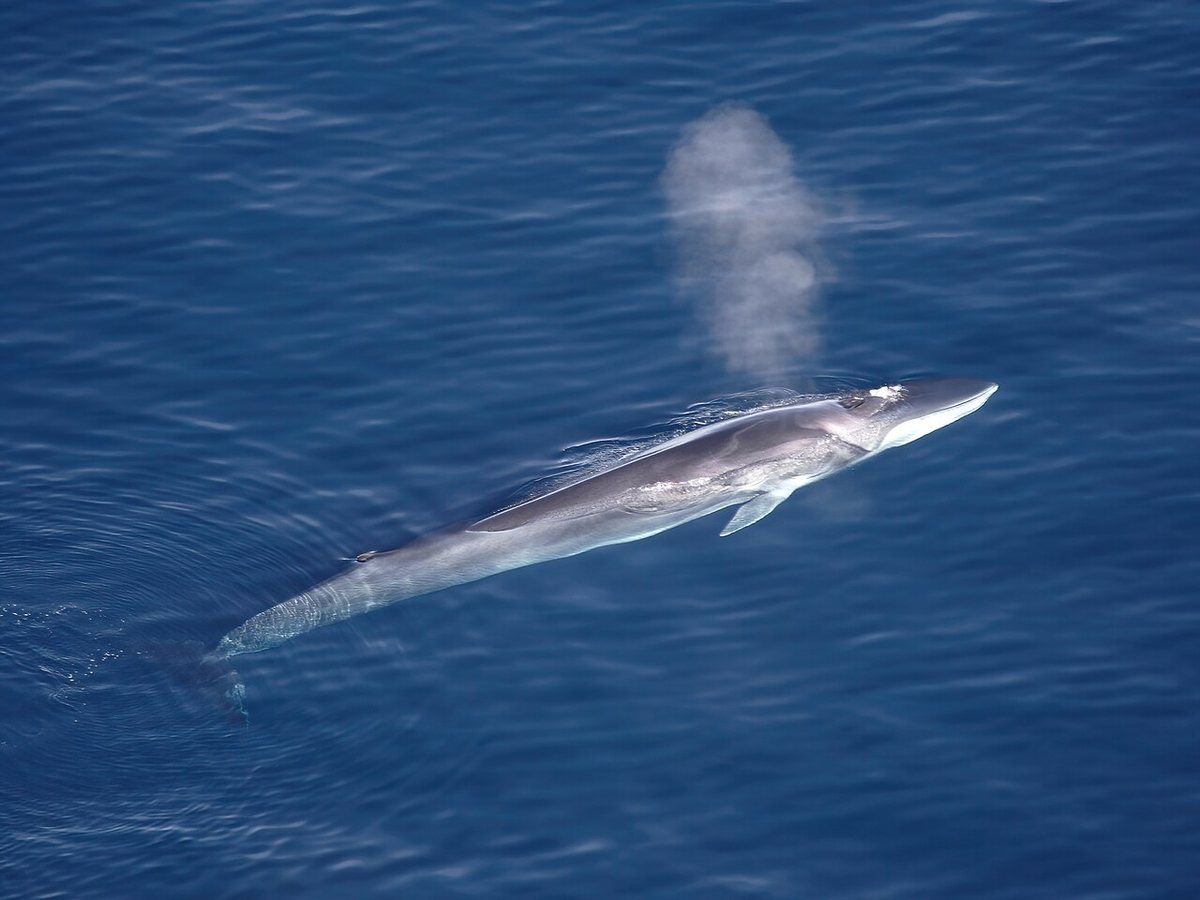
The Pelagos sanctuary was established to protect marine mammals in the north-western Mediterranean. Its waters are shared with busy commercial traffic, and the investigation highlights the tension between the schedules of ferry operators and the needs of animals that move through the same corridors. Fast ferries are a particular concern because the risk of collision with whales rises with vessel speed, and whales that are struck or disturbed can be seriously harmed.
The Guardian's reporting indicates that the recommendation to slow down has not translated into consistent behaviour on the water. Operators continue to travel above advised speeds, a pattern that raises questions about how effectively voluntary guidance protects vulnerable species in a heavily trafficked sea. For conservationists, the gap between recommendation and practice is the central problem.
20