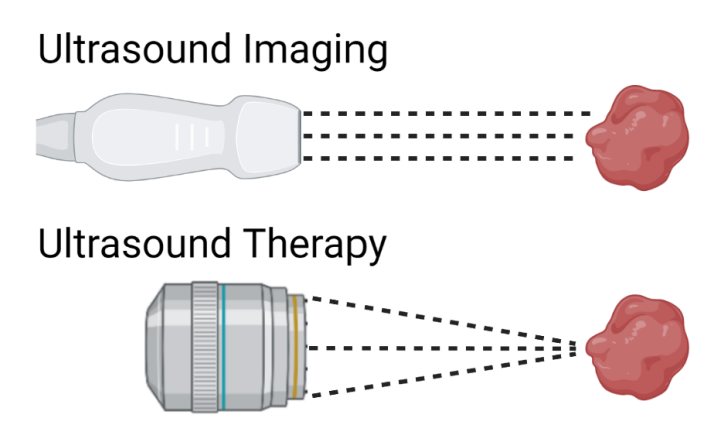
Scientists at the University of Virginia have developed an experimental strategy that could offer a new way to fight glioblastoma, one of the deadliest and most difficult-to-treat forms of brain cancer. The approach uses sound waves to deliver treatment to tumor cells and aims to attack several cancer-driving genes at the same time.
The method combines three elements: focused ultrasound, tiny nanoparticles and genetic molecules known as microRNAs. Focused ultrasound can be directed at a specific point in the body, while the nanoparticles carry the microRNAs to the targeted tissue. The microRNAs are small molecules that regulate how genes are expressed, and the researchers designed the approach to act on multiple genes that drive the growth of the tumor rather than a single one.
Glioblastoma is notoriously hard to treat. The tumor grows quickly and spreads into surrounding brain tissue, which makes complete surgical removal difficult. Treatment options remain limited, and many patients face a poor prognosis. Because the disease is driven by several genetic pathways, therapies that target only one of them often fail, which is why the team focused on striking several targets simultaneously.
The use of focused ultrasound in the brain is an area of growing interest in medicine. Because sound waves can be aimed precisely, they may help open temporary pathways or concentrate therapeutic material in a targeted area while limiting exposure elsewhere. In this strategy, the ultrasound is intended to help the nanoparticles reach the tumor, where the microRNAs can then do their work.
The work is described as experimental and promising, and it remains at an early stage. Further research will be needed to determine whether the approach is safe and effective before it could be tested in people. For patients and families facing glioblastoma, however, the development adds to ongoing efforts to find treatments that can address the disease's complex biology.
16