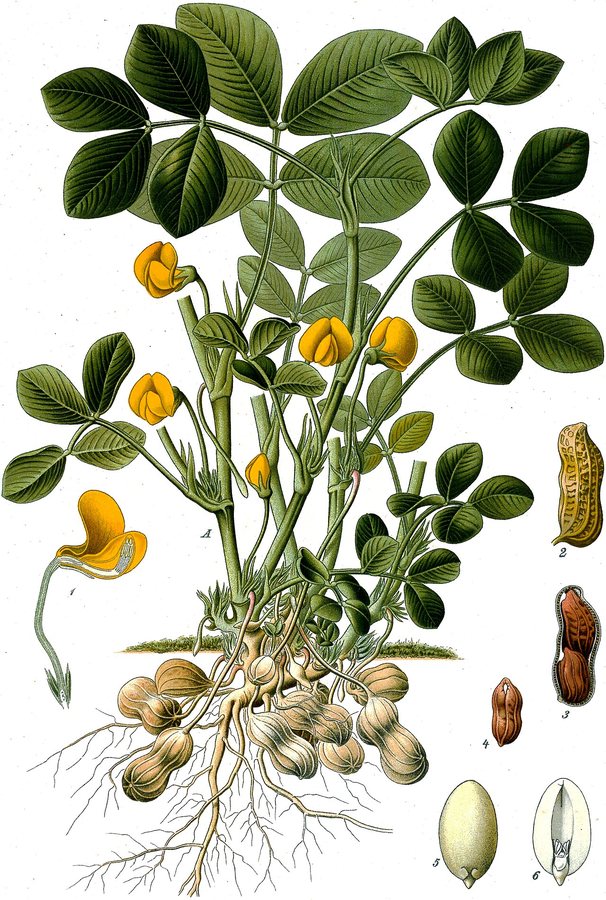
Eating peanuts every day may help support brain health and memory in older adults, according to a new study. Researchers found that consuming about two servings of unsalted, skin-roasted peanuts daily for 16 weeks improved insulin responsiveness in brain regions important for memory.
The finding matters because the ability of brain cells to respond to insulin is a function that tends to weaken with age. That decline has been linked to Alzheimer's disease, the most common cause of dementia, which is why any dietary approach that could support this process draws close interest from researchers studying healthy aging. The study's focus on memory-related regions connects a common food to a specific biological process rather than to general claims about wellness.
The results point to a simple, accessible habit rather than a drug or complex intervention. The peanuts used in the research were unsalted and roasted with their skins on, a detail that distinguishes the intervention from heavily processed or salted snack versions. The 16-week duration allowed researchers to observe changes in brain insulin responsiveness over a sustained period rather than after a brief exposure, which strengthens the case that the observed improvement was not a short-term fluctuation.
The research adds to a growing body of work examining how everyday foods may influence cognitive health. Insulin signaling in the brain has drawn increasing attention from scientists who believe that disruptions in this system could contribute to memory problems as people age. By showing improved insulin responsiveness in memory-related regions, the study offers a potential biological pathway linking a familiar food to brain function, and it gives researchers a measurable mechanism to test in future trials.
The study's central finding concerns the brain regions that handle memory, and that focus is what makes the work stand out from broader nutrition research. Scientists studying aging often look for interventions that act on the underlying biology of decline rather than on symptoms alone, and an improvement in insulin responsiveness is the kind of measurable change that such work seeks. The regions examined were chosen because of their known role in memory, linking the observed change directly to the cognitive function the study set out to assess.
The results do not establish that peanuts prevent Alzheimer's disease or dementia. Reaching that conclusion would require longer observation, larger populations and evidence that the changes in brain insulin responsiveness persist and translate into lasting protection against cognitive decline. For now, the study offers a promising, specific lead: a daily food, eaten in a defined amount and form, was associated with a biological change in the parts of the brain most tied to memory.
16