Skywatchers across the United States have a set of celestial sights to look forward to on Halloween night in 2026, including the planet Saturn, a chance to spot shooting stars and a pass of the International Space Station.
The source material presents Halloween as a convenient evening for observing these events with the naked eye or simple equipment. Saturn is among the planets that can be seen after dark, and the ringed world is a popular target for amateur astronomers because it is visible without a powerful telescope when conditions are clear.
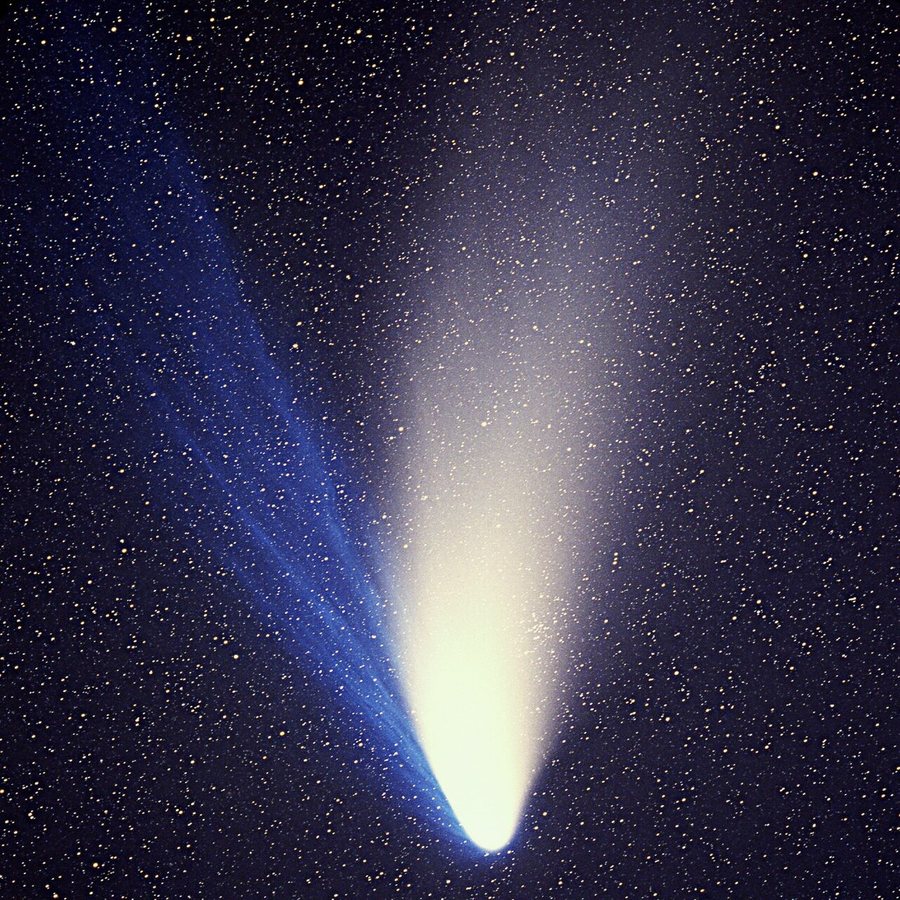
Shooting stars, or meteors, are also expected to be part of the night's show. Meteors appear when small particles of dust and debris burn up as they enter Earth's atmosphere, producing brief streaks of light. Observers are typically advised to give their eyes time to adjust to the dark and to look away from city lights for the best view.
The International Space Station, which orbits Earth roughly every 90 minutes, can be seen crossing the sky as a bright, steadily moving point of light when its path aligns with a viewer's location. Passes are brief, usually lasting a few minutes, and their timing depends on the observer's position.
Because visibility depends heavily on local weather and light pollution, viewers in rural areas with clear skies are likely to have the most favorable conditions. Those in cities may still see Saturn and the station, though fainter meteors may be harder to spot.
14