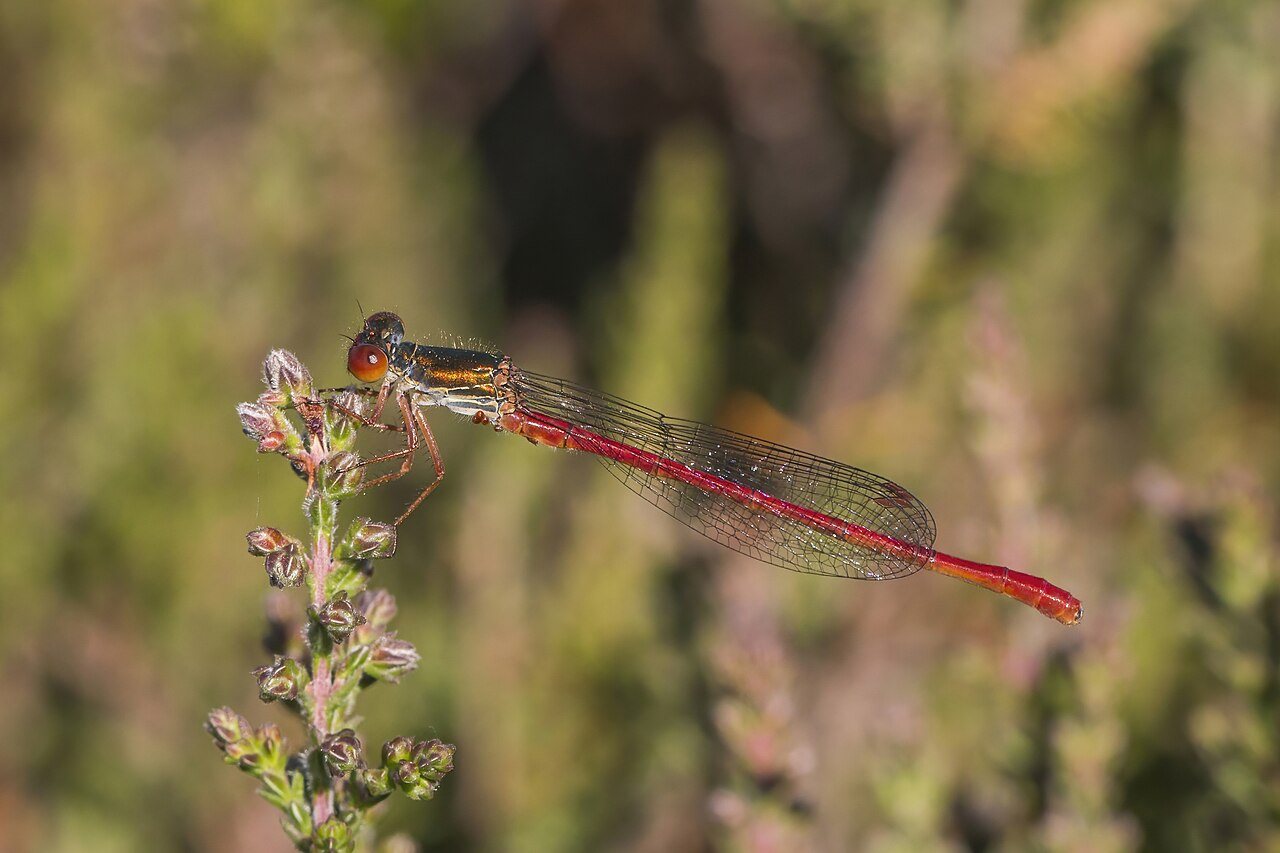
A rare damselfly has been spotted along a chalk river that has undergone wetland restoration, a development the Herts and Middlesex Wildlife Trust has welcomed as evidence that the work is paying off for wildlife. The trust says it is "thrilled" that the new wetlands are helping the species to thrive.
Chalk rivers are a rare and fragile habitat in England, fed by groundwater that filters slowly through chalk bedrock. Their clear, cool water supports specialised plants and insects, many of which have declined as rivers have been straightened, polluted or drained over past decades. Restoration projects typically aim to reconnect river channels with their floodplains and recreate the shallow, slow-moving wetland areas that once characterised these systems.
The sighting matters because damselflies are sensitive indicators of water quality and habitat health. Their larvae live underwater for much of their lives, so the presence of a rare species points to clean water and suitable vegetation both above and below the surface. For conservationists, the appearance of such a species on a newly restored site suggests the habitat is functioning as intended rather than simply being created on paper.
The Herts and Middlesex Wildlife Trust, which works across Hertfordshire and Middlesex, has been involved in efforts to improve local waterways and wetland areas. Its statement presents the damselfly record as encouraging news for the wider project. The source material does not give the species' name, the exact site, or population counts, and the organisation has not suggested that recovery is complete, so the sighting is best read as an early signal rather than a final result.
Continued monitoring of the site is expected to show whether the population establishes itself over the longer term. That follow-up matters because a single record can reflect birds of passage or short-lived colonisation, while repeated sightings across seasons indicate that a breeding population has taken hold. Survey work of this kind is a standard way for conservation groups to judge whether restoration has delivered what was intended.
Wetland restoration of this kind is increasingly used as a tool for nature recovery, both to protect rare species and to help rivers cope with flooding and drought. By restoring floodplain connection and slowing water flow, such schemes can store water during heavy rain and maintain flows in dry spells, benefits that extend beyond wildlife to communities downstream. The damselfly sighting offers an early, tangible indication of what such work can achieve, while underlining how much of the country's chalk river heritage depends on sustained management and protection.
18