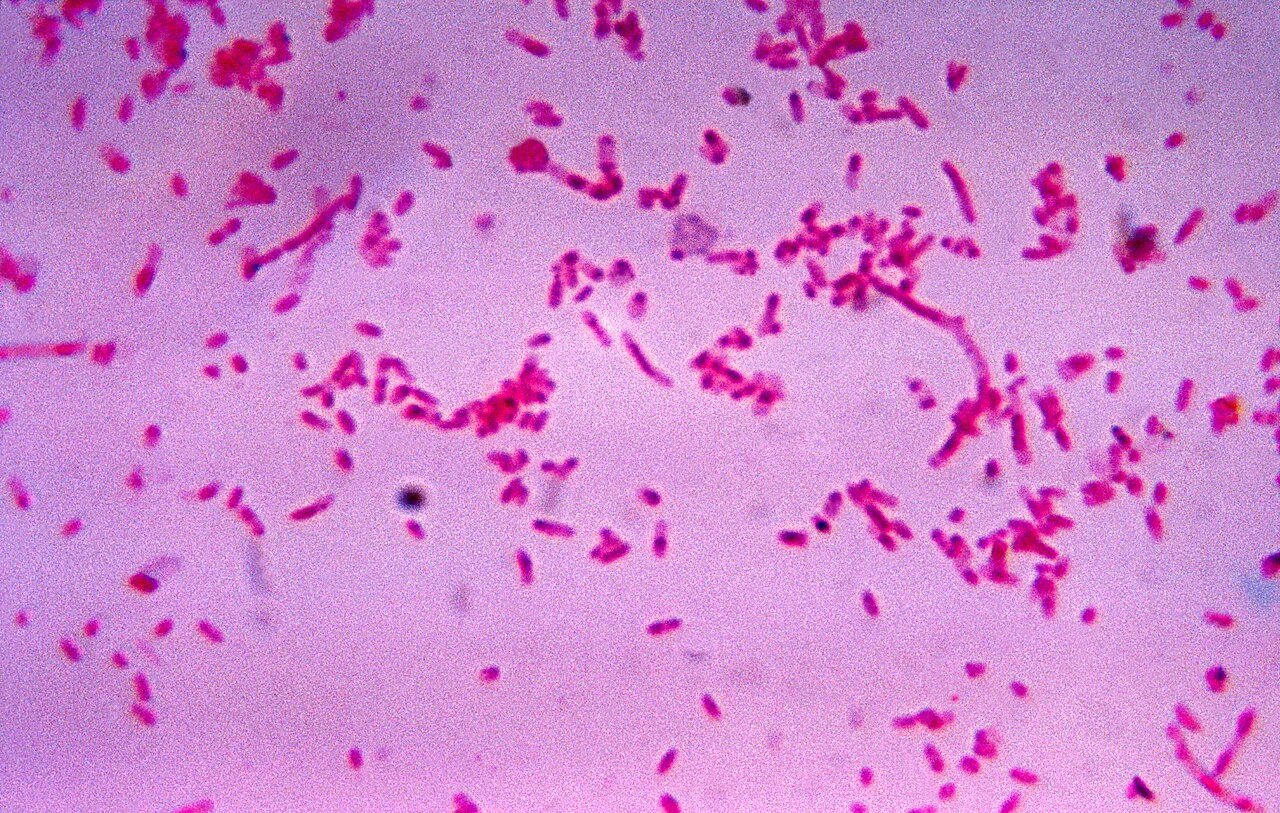
Scientists at Johns Hopkins University have identified the missing link between a common gut bacterium and colorectal cancer, a connection that researchers have been trying to explain for nearly two decades. The bacterium, Bacteroides fragilis, produces a toxin that damages the protective lining of the colon, triggers chronic inflammation and promotes the formation of tumors.
The finding addresses a long-standing question in cancer research: why certain gut microbes appear to be linked to colorectal cancer, and by what mechanism they might contribute to the disease. Bacteroides fragilis is one of the many microorganisms that normally live in the human digestive tract, so its presence alone has not been enough to explain how it could drive cancer. The identification of a specific toxin, and of the chain of effects it sets off, gives the association a concrete biological explanation.
The mechanism unfolds in stages. The toxin weakens the colon's protective barrier, the layer of cells that separates the contents of the gut from the tissue beneath. Once that barrier is compromised, the body's response becomes persistent rather than temporary. Chronic inflammation then develops, and it is this sustained inflammatory state that the researchers link to the promotion of tumor growth.
Colorectal cancer is one of the most common cancers worldwide, and understanding its causes is central to both prevention and treatment. A specific microbial toxin that drives tumor formation gives researchers a defined target for further study, including whether the pathway can be interrupted and whether people who carry the bacterium can be identified earlier.
The research also underscores how much of the gut's microbial community may influence human health beyond digestion. Scientists have increasingly examined links between gut bacteria and conditions ranging from inflammatory disease to cancer. This study moves beyond correlation by offering a mechanistic account of how one bacterial species may contribute to the development of the disease.
The question of how Bacteroides fragilis might contribute to colon cancer has been pursued for nearly two decades, and the Johns Hopkins work resolves a central part of it by tracing the process from the toxin's effect on the colon lining to the sustained inflammation and tumor formation that follow. Each stage of that sequence now has a clear place in the explanation, which allows future research to test individual steps rather than relying on an overall association.
For patients and clinicians, the practical questions are still open. The study identifies a pathway but does not, on the basis of the information provided, establish a screening test, a treatment or a preventive measure. Those steps would require further investigation to determine whether the toxin's effects can be blocked or whether its presence in the gut can reliably signal increased risk. Until such work is completed, the finding remains a mechanistic advance in understanding the disease rather than a change in clinical practice.
17