Archaeologists have identified cut marks on the bones of gomphotheres, extinct tusked mammals related to modern elephants, recovered from the basin of central Chile's ancient Lake Tagua Tagua. The marks, together with stone tools found at the site, indicate that people butchered the animals between 12,000 and 13,000 years ago, according to researchers from the Catalan Institute for Human Paleoecology and Social Evolution (IPHES-CERCA).
The discovery adds to a growing body of evidence about the first people to reach the Southern Cone of South America. Previous excavations in the same lake basin have yielded the bones of extinct horses and deer species that also bore cut marks and signs of burning, suggesting that the area was repeatedly used for hunting and processing animals over a long period.
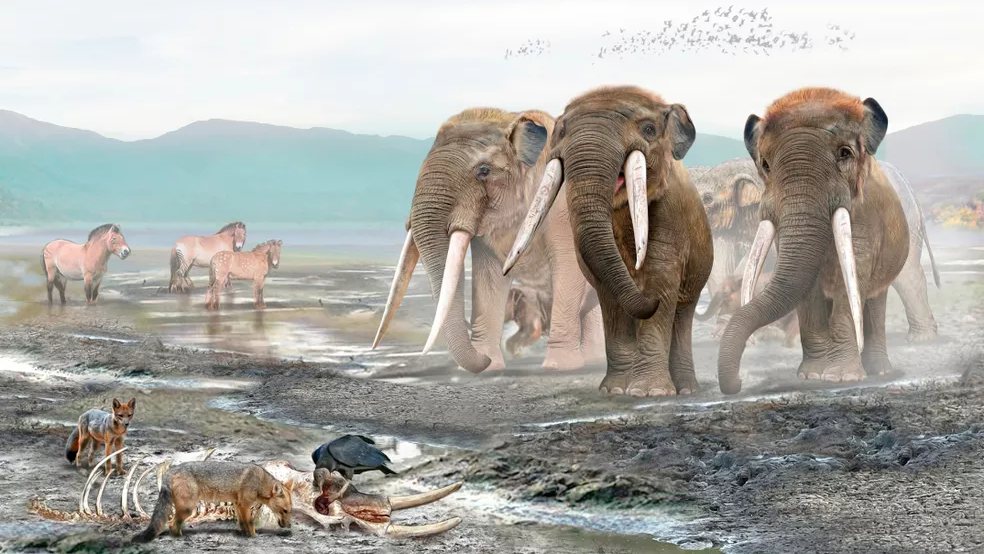
Gomphotheres were large, four-tusked proboscideans that roamed the Americas during the Pleistocene epoch before going extinct. Their remains at Lake Tagua Tagua, a site in Chile's central valley, place human hunters in the region at a time when much of the continent's megafauna was still present. The combination of butchered bones and stone tools is a standard line of evidence archaeologists use to establish human activity at a site.
The research team plans to continue analyzing the bones and sediment samples from the lake basin. Those studies aim to build a clearer picture of how some of the earliest inhabitants of the region lived, including what they ate, how they organized their hunting, and how they interacted with the landscape around the ancient lake.
The Lake Tagua Tagua finds are part of a broader scientific effort to understand the peopling of the Americas, a question that has been reshaped in recent decades by discoveries at sites far older than the long-accepted Clovis-first model. Evidence from Chile, including the well-known Monte Verde site, has helped establish that humans had reached southern South America by at least the end of the last Ice Age.
Each new dated assemblage of butchered bones and associated tools helps refine the chronology of that dispersal. At Lake Tagua Tagua, the cut-marked gomphothere bones and stone implements provide a direct association between human behavior and a specific extinct species, rather than relying on indirect signs of occupation.
Researchers will also examine sediment samples from the basin, which can preserve environmental information such as past vegetation, water levels, and climate conditions. Together with the faunal evidence, those data could help explain why the lake attracted both animals and people, and how the ecosystem changed as the Pleistocene gave way to the Holocene.
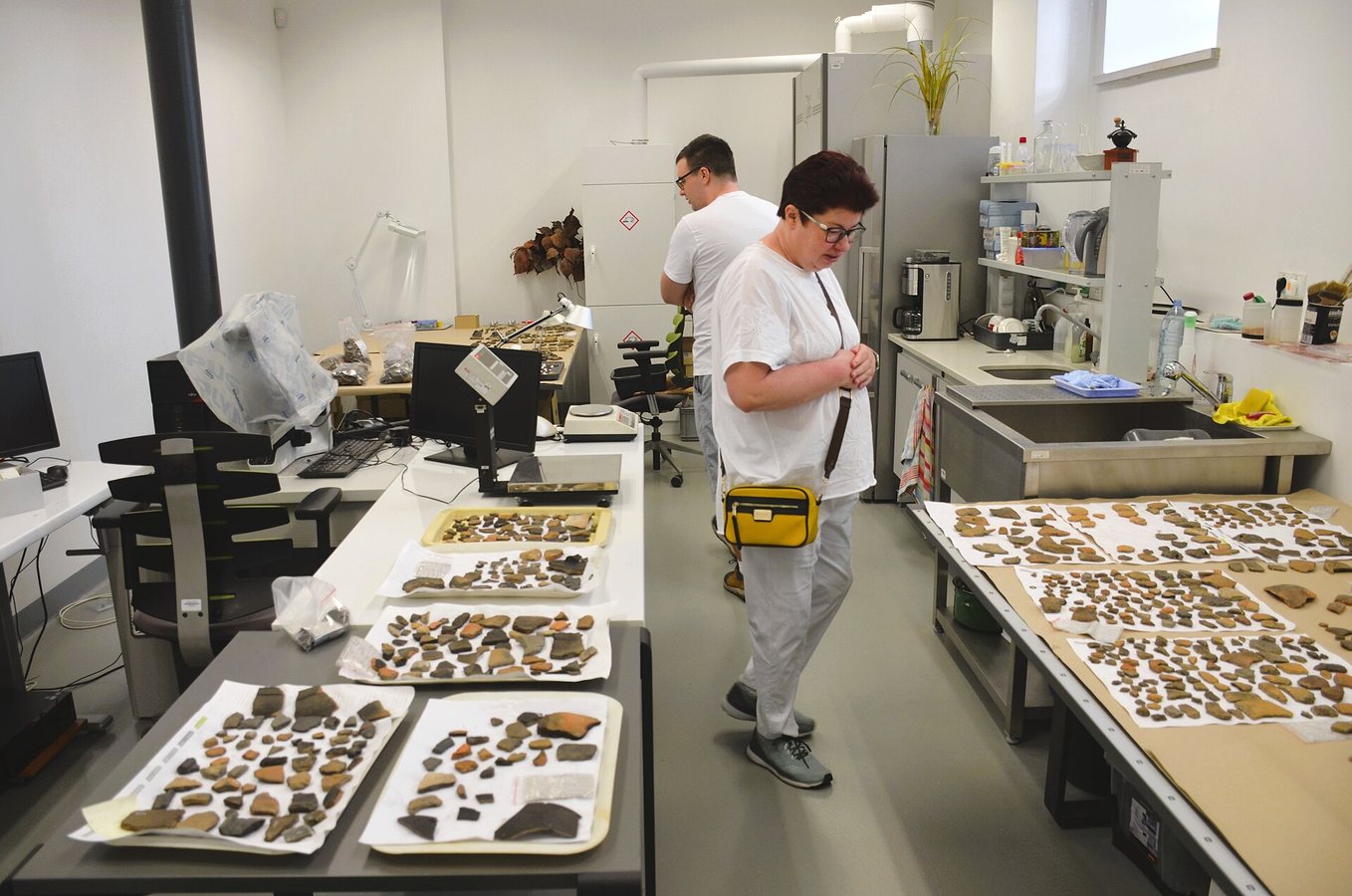
The work is being carried out by IPHES-CERCA, a research institute based in Tarragona, Spain, that focuses on human evolution and social behavior. The site continues to be a focus of excavation and laboratory analysis, with the potential to yield further evidence about the timing and nature of early human settlement in the region.
11