Remains from the tombs of Egypt's first kings may point to a grim practice that archaeologists have debated for about a century: the killing of royal attendants who were believed to serve the pharaohs in the afterlife. A new reexamination of 46 skulls found in those burial sites reports head injuries in 18 of them, injuries that may have been fatal.
The researchers estimate that at least 39 percent of the individuals they studied may have been killed deliberately. If that figure holds, it would lend weight to an older theory that the people buried near early Egyptian rulers were sacrificed to accompany them into the next world rather than dying of natural causes or illness.
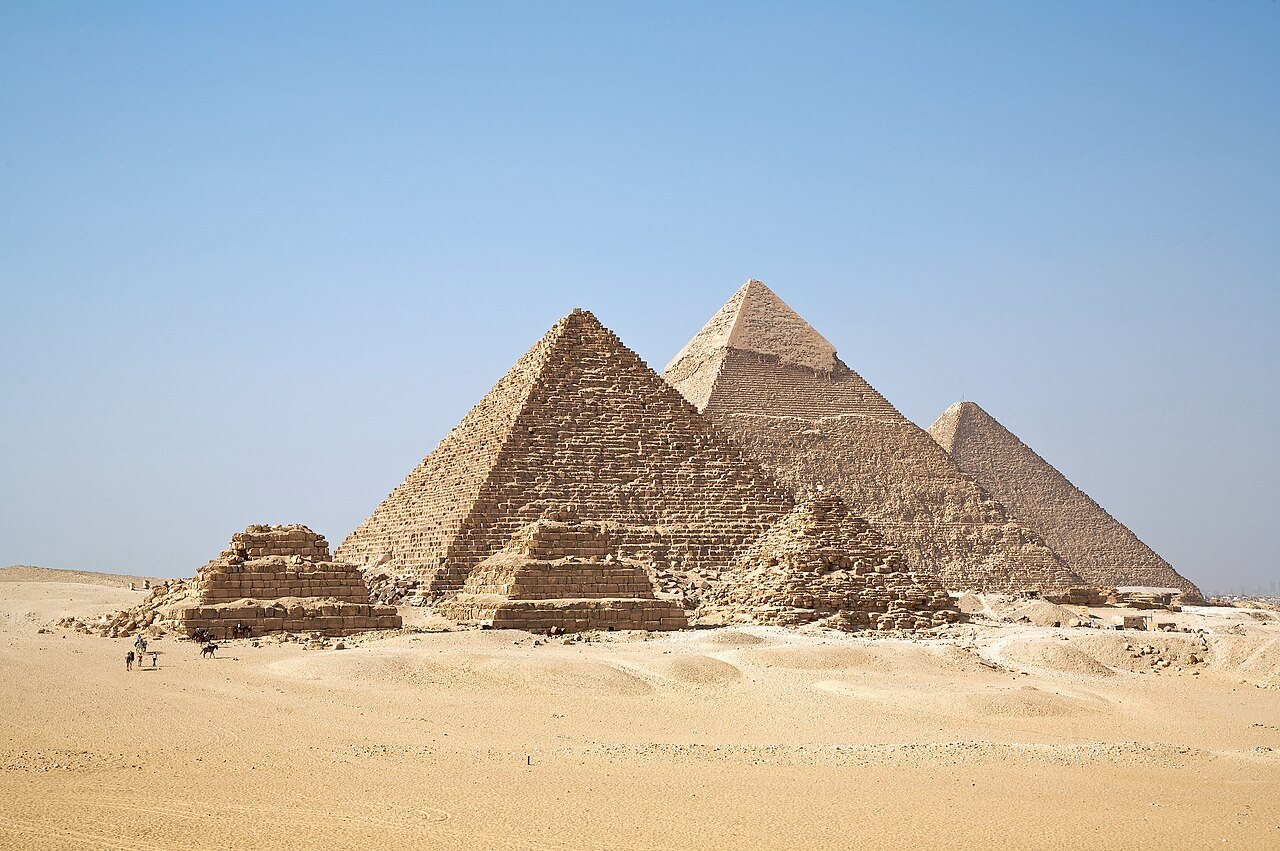
The findings also arrive as wider public interest in Egypt's pyramids and royal burials remains strong. A National Geographic compilation of three episodes covers the engineering of the pyramids, the design of their burial chambers and the search for lesser-known rulers. One episode focuses on the Sun Kings, a forgotten group of pharaohs from the Fifth Dynasty, and another follows archaeologists as they explore unopened pyramid interiors in the hope of finding the mummy of a king who died about 4,400 years ago, along with treasures buried with him.
Important questions remain open. The 39 percent estimate has not yet been confirmed by further scrutiny, and the exact purpose of attendant sacrifice has not been established. Until more evidence emerges, the skulls offer a suggestive but unfinished picture of how Egypt's earliest royal funerals may have been carried out.
Credit. Based on reporting for youtube.com. Is this your work? Write to us.
79