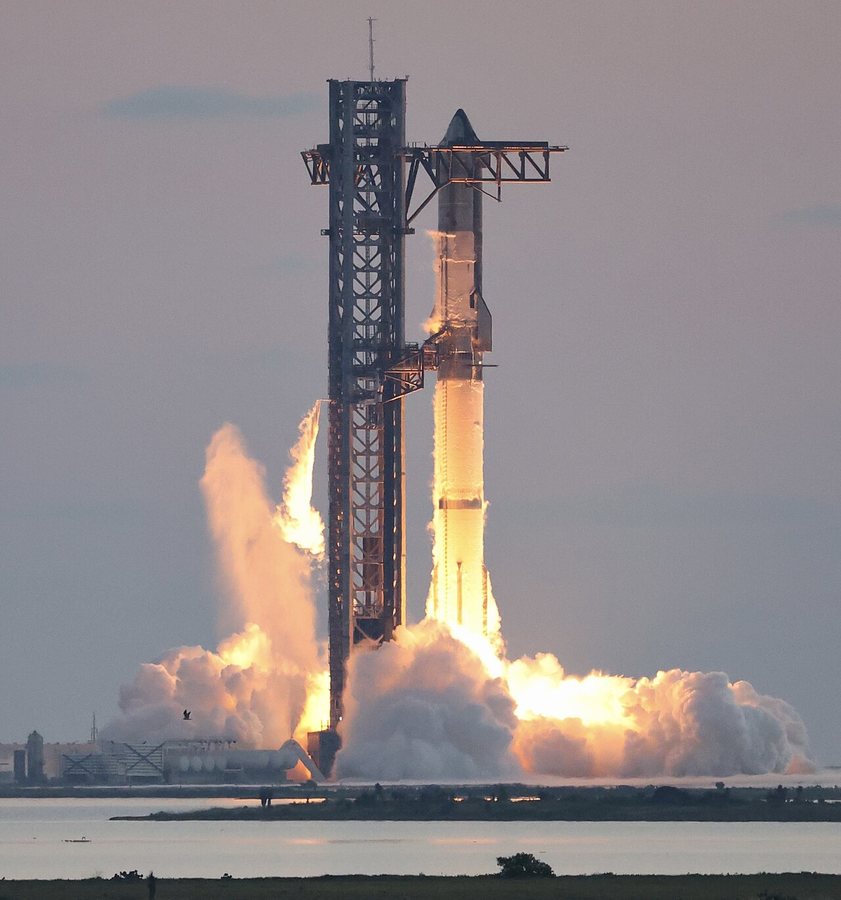
A Vulcan rocket built by United Launch Alliance, the joint venture of Boeing and Lockheed Martin, failed about ten minutes after liftoff from Cape Canaveral, Florida, on Sunday, destroying the 40 Amazon Leo satellites it was carrying. It is the first mission failure in the company's history, and it lands at a difficult moment for American launch capacity.
The cause of the failure is not yet known, and an investigation is expected to determine what went wrong. Whether the rocket's BE-4 engines played any part has not been established. Because of the inquiry, Vulcan is likely to remain grounded for months, a delay that will be felt across the country's launch schedule at a time when capacity is already stretched.
The timing compounds the problem. The Pentagon had not yet cleared Vulcan to fly national security missions, and the rocket's grounding comes as SpaceX's Falcon 9, the workhorse of the American launch market, is due to be retired. That leaves fewer options for both government and commercial customers who depend on reliable access to orbit.
For Amazon, the loss is a serious setback. Its Leo broadband network has 398 satellites in orbit, roughly 12 percent of the 3,236 it needs for global coverage. An explosion of a New Glenn rocket in May had already delayed Amazon's launches, and the Vulcan failure means another interruption in a program that must move quickly to compete with SpaceX's Starlink, which has more than 11,000 satellites in orbit.
Credit. Based on reporting for The Express Tribune. Is this your work? Write to us.
25