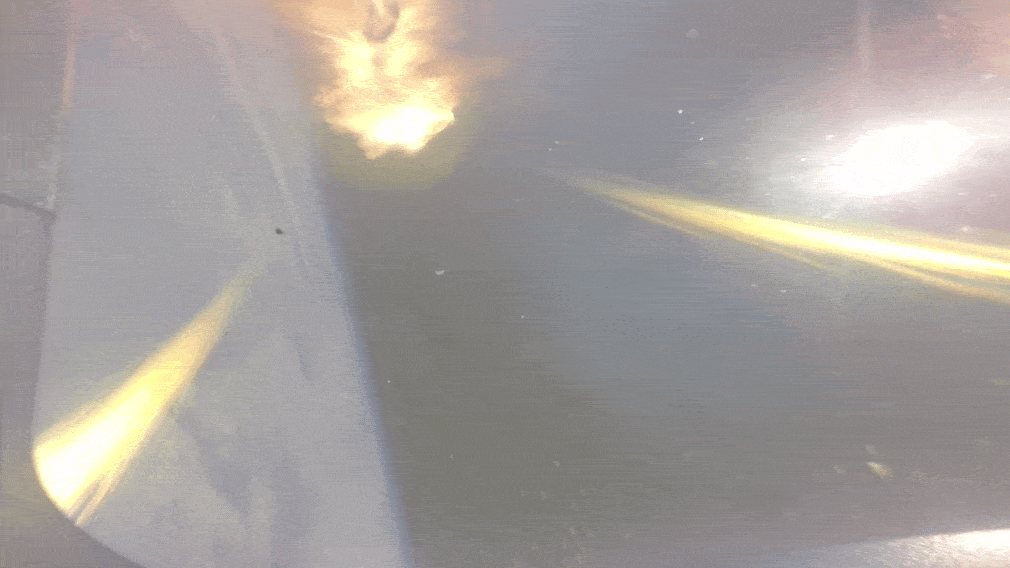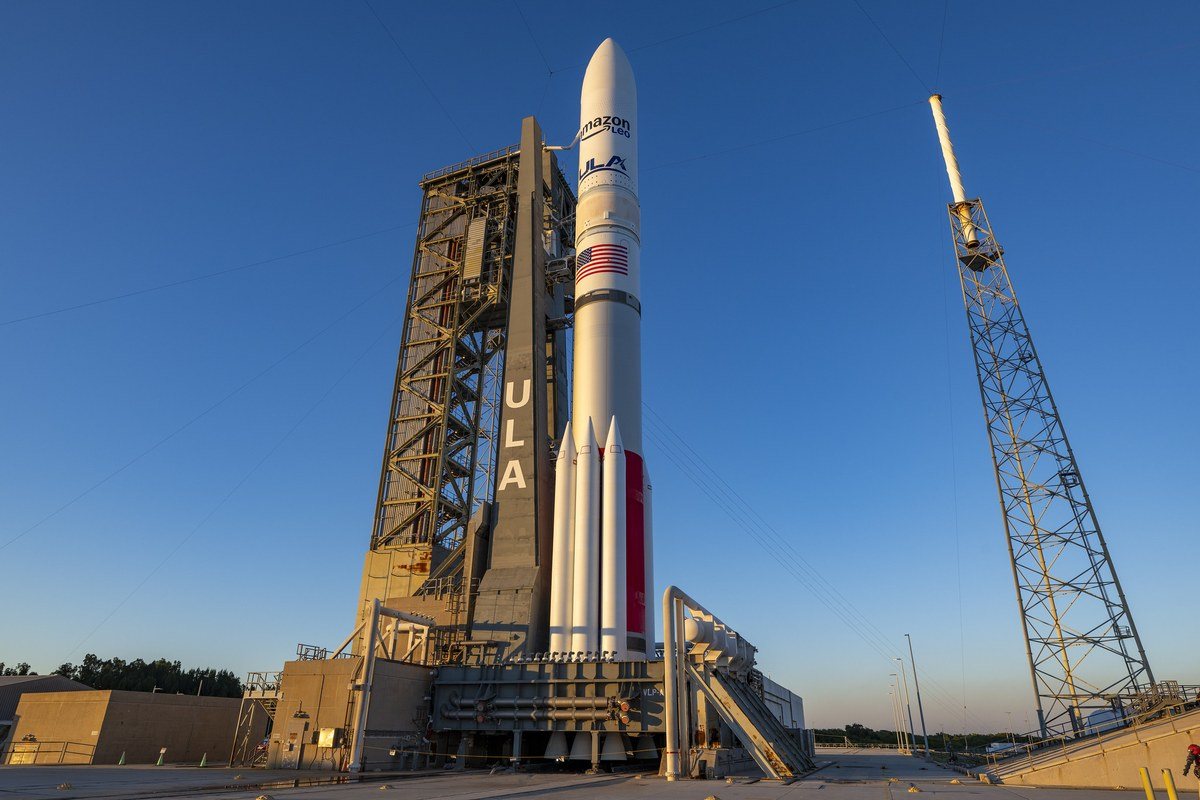
An Amazon-bound Vulcan rocket failed to reach orbit on Sunday, taking down all 40 Amazon Leo satellites it was carrying. The mission lifted off from Cape Canaveral in Florida and lost its way about ten minutes into flight, leaving the satellites unrecoverable. It is the first total mission failure for United Launch Alliance, the joint venture of Boeing and Lockheed Martin that builds the Vulcan.
The launch was also the first flight of Vulcan in nine months, and it arrives at a difficult moment for Amazon's effort to build a broadband constellation to compete with SpaceX's Starlink. The company already had 396 satellites in orbit before this loss. Amazon had booked dozens of Vulcan launches and had planned for the rocket to carry more than 1,500 of its first-generation satellites, so the failure removes a significant piece of that schedule.
ULA has not yet identified the root cause of the anomaly. The company said it does not yet have the specific data needed to explain what went wrong. The solid rocket boosters, built by Northrop Grumman, appeared to perform normally. The problem seems to have occurred during a burn of the Centaur upper stage. Earlier in the countdown, the launch was held briefly over a technical issue, but the company has not said whether that issue is connected to the failure.
Amazon now faces uncertainty over when Vulcan will fly again and how quickly it can replace the lost satellites. The company has other launch options, including Ariane 6 and SpaceX's Falcon 9, both of which it has booked. Its other heavy-lift option, Blue Origin's New Glenn, has been grounded since an explosion in May. Amazon has an extension from the Federal Communications Commission that gives it until July 2029 to complete full deployment of the network, which gives it some room to recover from the setback.
Credit. Based on reporting by Todd Bishop for GeekWire. Is this your work? Write to us.
27