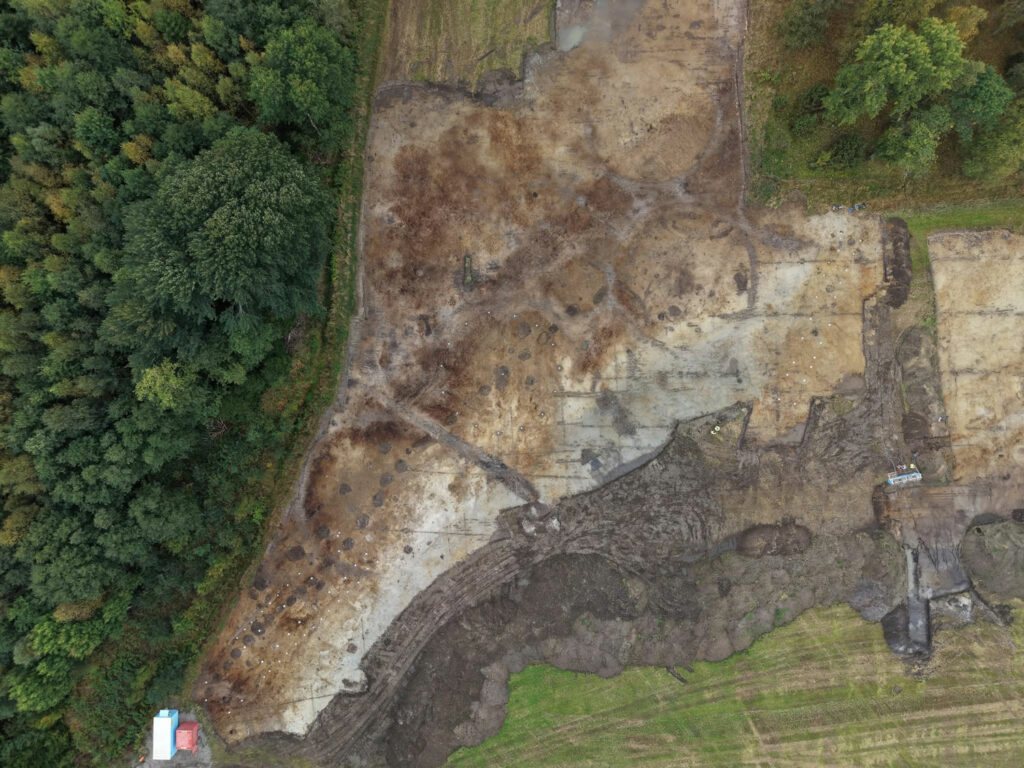
Mourners on Cyprus may have burned elaborate bouquets of whole plants during funeral ceremonies some 3,400 years ago, according to a new analysis of charred plant remains recovered from four tombs at Hala Sultan Tekke, an ancient harbor city on the island's southeastern coast.
Teresa Bürge of the Austrian Academy of Sciences and her colleagues detected burnt plant material inside two ceramic jugs recovered from one of the tombs. Analysis of the residues determined that one vessel held barley, several varieties of wheat, figs, lentils, marigold, chrysanthemum, mallow, and viola — a combination of staple crops and ornamental flowers that researchers interpret as the remnants of a mixed bouquet.
A Mycenaean-style jar found in another tomb contained evidence of cereals, wild grasses, and flowering plants including poppy and centaury. Traces of edible plants such as barley, olives, and grapes were identified in the remaining two tombs.
The presence of cedar and cypress wood in one of the graves suggests these aromatic woods may have been burned deliberately to produce smoke and scent during the funeral rites, adding a sensory dimension to the burial ceremonies.
The findings, reported by the Greek Reporter, offer a rare window into the ritual practices of Bronze Age Cyprus, where the harbor city of Hala Sultan Tekke served as a major trading hub linking the eastern Mediterranean with Mycenaean Greece, Egypt, and the Levant. The site has yielded extensive evidence of international commerce, including imported pottery, precious metals, and luxury goods.
Funerary customs in the ancient Mediterranean often combined practical offerings with symbolic ones. The mixture of food crops and flowers in the Cypriot tombs points to a ceremony in which mourners may have gathered plants for their fragrance, color, and nutritional value, then committed them to the flames as part of a final farewell.
Archaeobotanical analysis of this kind is painstaking work. Charred seeds and plant fragments survive in the archaeological record only when they are burned and buried in conditions that prevent decay. The residues from Hala Sultan Tekke were preserved inside sealed ceramic vessels, protecting them from the elements for more than three millennia.
The identification of marigold, chrysanthemum, mallow, and viola is particularly significant because these plants are not staple foods. Their presence suggests deliberate selection for ornamental or aromatic purposes, supporting the interpretation that the vessels once held arranged bouquets rather than simple food offerings.
Similar practices have been documented at other Bronze Age sites in the eastern Mediterranean, where flowers and aromatic woods appear in burial contexts. The Hala Sultan Tekke evidence adds to a growing picture of funerary rituals that engaged multiple senses — sight, smell, and taste — in honoring the dead.
The research team's findings contribute to ongoing excavations at the site, which have previously revealed evidence of copper trade and international connections during the Late Bronze Age. The burned plant remains now add a domestic and ritual dimension to a city better known for its commercial reach.
For archaeologists, the charred residues represent more than a list of species. They are direct traces of human behavior at a moment of grief and remembrance, preserved by fire and time.
6