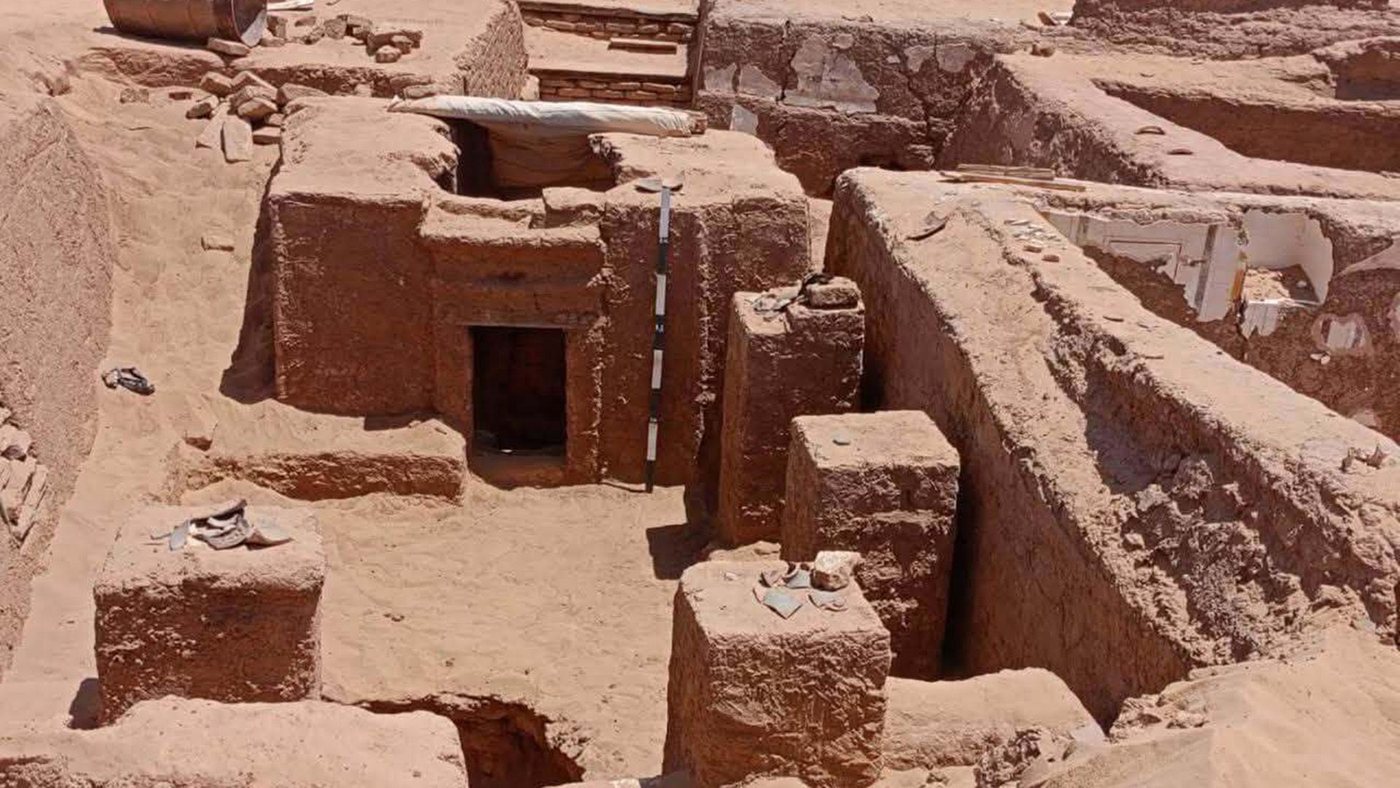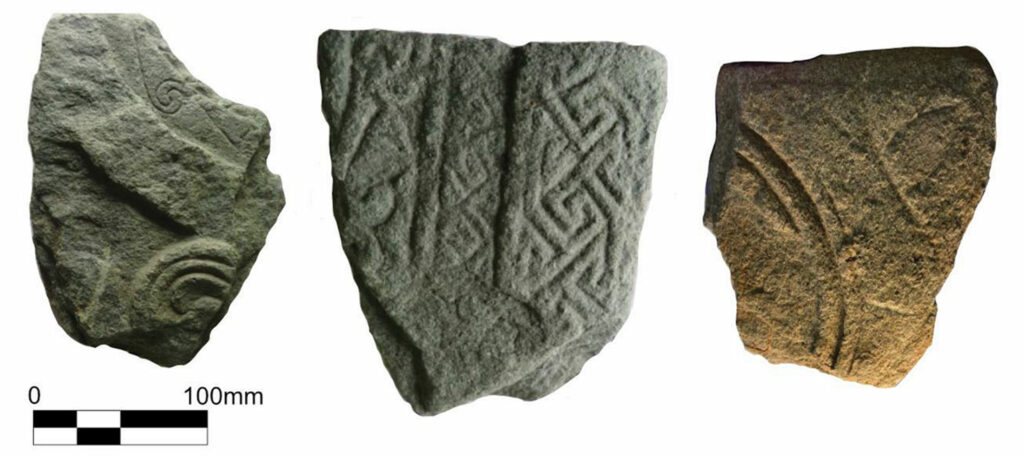
Archaeologists and community volunteers have uncovered traces of an early Christian monastery on the small Scottish island of Lios Mòr, also known as Lismore, confirming a tradition that a religious settlement was founded there in the sixth century A.D. by Saint Mo Luóc. The discovery, announced by Argyll Archaeology, resolves a long-standing question about whether a later cathedral was built on the site of the early monastery or elsewhere on the island.
The team found burials, craft workshops, early buildings, and signs of precious metal working, including molds and crucibles used to produce high-quality jewelry. According to Clare Ellis of Argyll Archaeology, local tradition, place-name evidence, and historical records had long pointed to a monastery on Lismore, but its exact location remained uncertain until now.
Gordon Noble of the University of Aberdeen said the findings show the site was «a thriving center of worship, craftsmanship, and learning, whose importance may have rivaled some of the best-known monasteries in early medieval Britain.» The presence of metalworking debris and workshop structures indicates that the monastery was not merely a religious outpost but a productive settlement with skilled artisans.
The excavation was carried out by a team of archaeologists working alongside community volunteers, a collaborative approach that has become increasingly common in Scottish archaeology. Future study will focus on the site's upper cemetery and the boundaries of the monastery, which could reveal more about its layout and extent.
The research adds to a growing body of evidence about early medieval monasticism in Scotland, a period when religious communities served as centers of literacy, craft, and trade. Lismore, a small island in the Inner Hebrides, was already known from historical sources as an important ecclesiastical site, but the physical remains had remained elusive.
The discovery also sheds light on the economic and artistic life of the monastery. The molds and crucibles for producing high-quality jewelry suggest that the community had access to precious metals and the technical knowledge to work them, activities typically associated with wealthy or well-connected monastic foundations.
Ellis noted that the team can now see the monastery was a significant establishment, and the ongoing work will help clarify how it related to the later cathedral on the island. The findings have been published in the scholarly journal Antiquity.
12