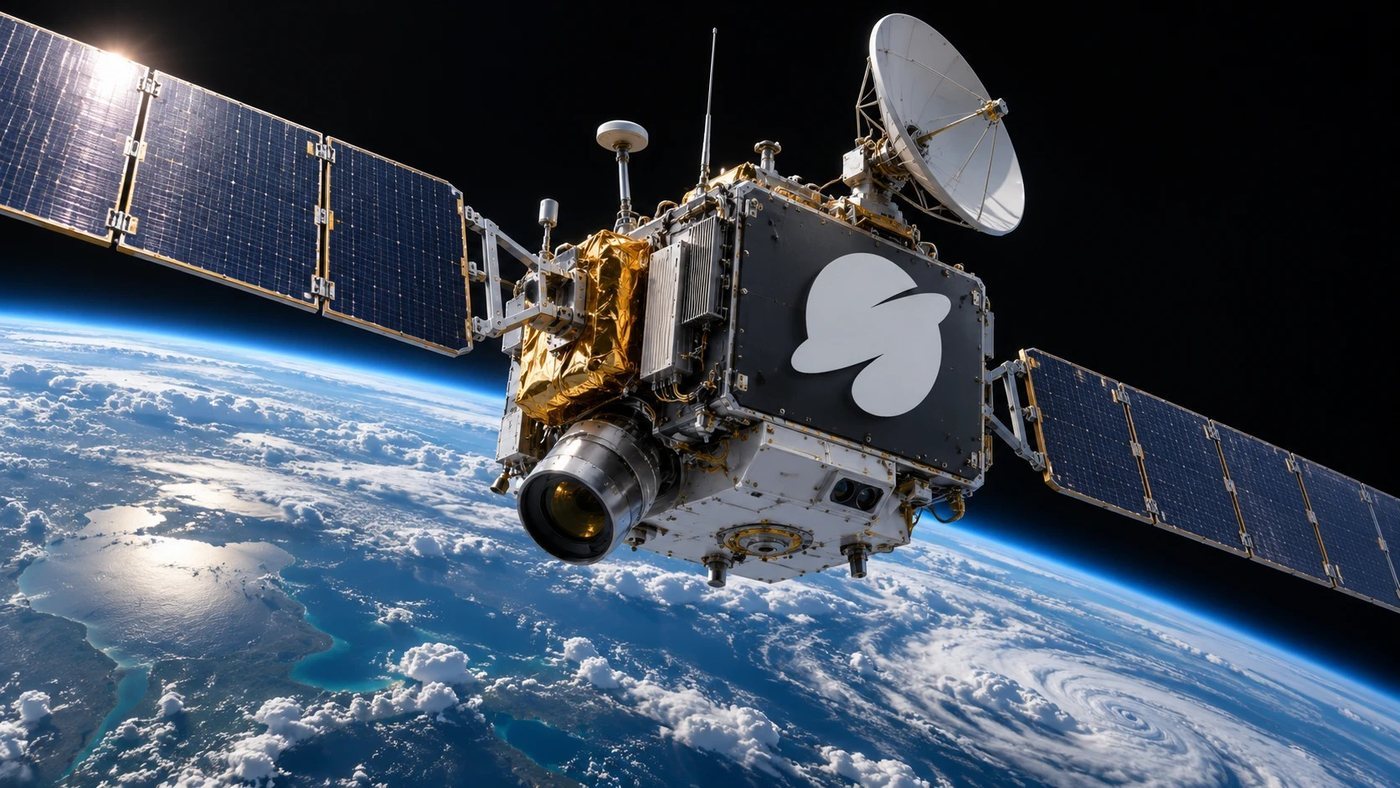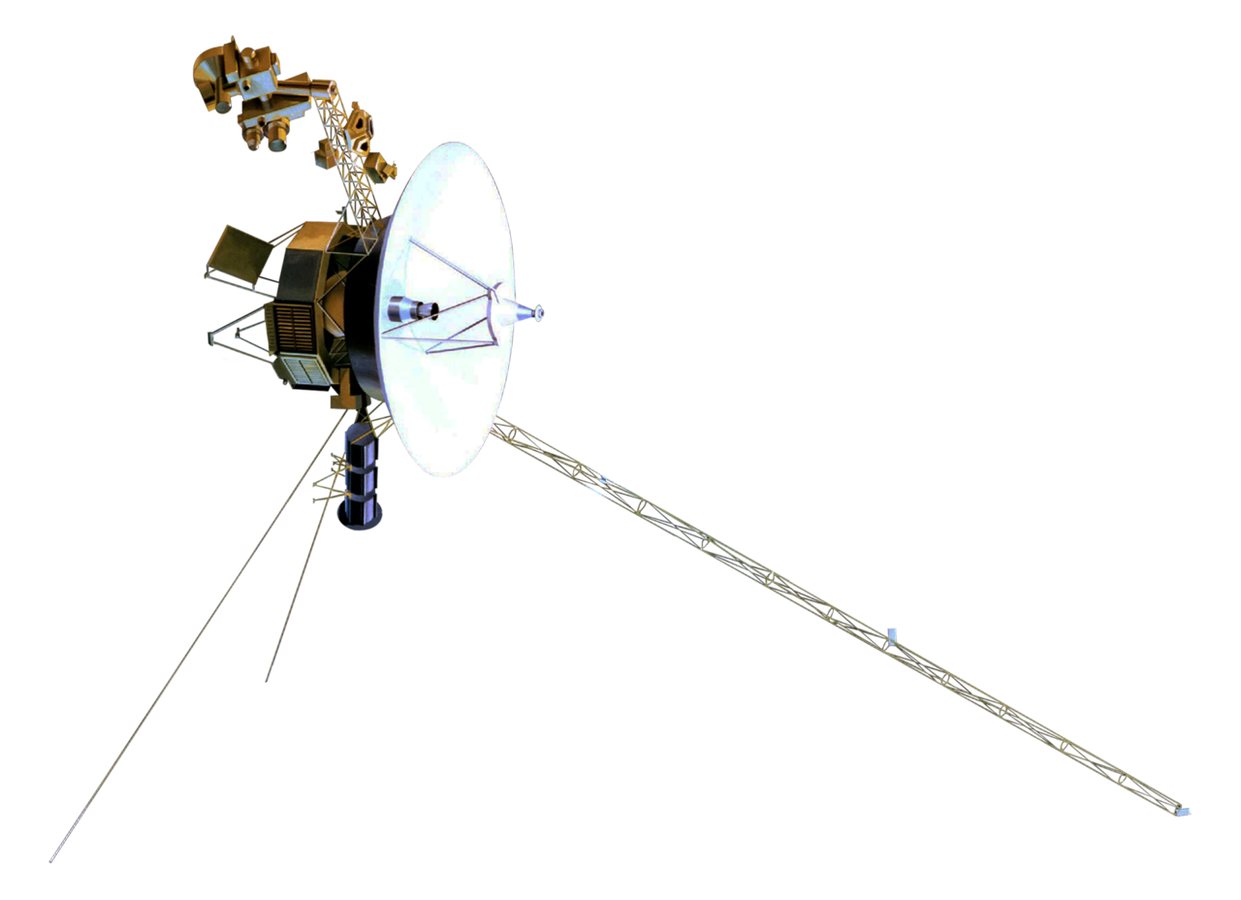
Nearly half a century after its launch, NASA's Voyager 1 has reached a distance of roughly one light-day from Earth. The spacecraft, which left Earth in 1977, is still transmitting data back to mission controllers, a remarkable feat for a probe that has spent decades crossing the void between the planets and beyond.
Traveling at close to 37,800 miles per hour, Voyager 1 moves through a region that is vast, cold, and almost completely silent. With no air and no friction to slow it, the craft glides onward while absorbing the punishment of radiation and cosmic rays. Engineers have had to keep its aging systems working under those conditions, and the signals that still arrive on Earth are a testament to that long effort.
The mission's continued presence also carries a symbolic weight. Voyager 1 is so far away that its perspective on home is unlike anything else humans have captured. The title of the reporting by Science Official's source invokes the famous “pale blue dot” image of Earth, a reminder of how small our planet looks from the outer reaches of the solar system.
That view comes with a sober message. The piece argues that humanity has inflicted considerable damage on Earth since Voyager's launch, a period that has seen major environmental change. The source does not pin down the date of the broader environmental assessment it draws on, nor does it spell out the specific steps that might help protect the planet. What it does make clear is that a probe launched in the late 1970s still offers a distant vantage point from which to consider the state of the world it came from.
Credit. Based on reporting for Politomix. Is this your work? Write to us.
19