Australia's Bureau of Meteorology has forecast that the current El Niño could reach the strongest level ever recorded, with a peak expected in late spring or summer. The agency's estimates put the August 2026 temperature anomaly in the Niño 3.4 region at 2.2C to 2.3C above average, already close to the record of 2.6C set in January 1983.
The warming has been unusually rapid. Sea surface temperatures have risen faster than in any El Niño since 1950, and the period from February to July was more than 2C above average, something not seen before over six months. The World Meteorological Organization says the event is ongoing and is likely to persist until early 2027.
The effects are already visible across the region. Drought has begun to affect Papua New Guinea, and wildfires have been reported in Indonesia. In Australia, the winter was the third-warmest on record, with New South Wales, Tasmania and Victoria recording particularly high temperatures.
For the coming months, the bureau expects a higher risk of drought in the south and east of the country between September and November, while above-average rainfall is likely over half of Western Australia. These patterns follow the broad impacts that El Niño typically brings to the continent and its neighbours.
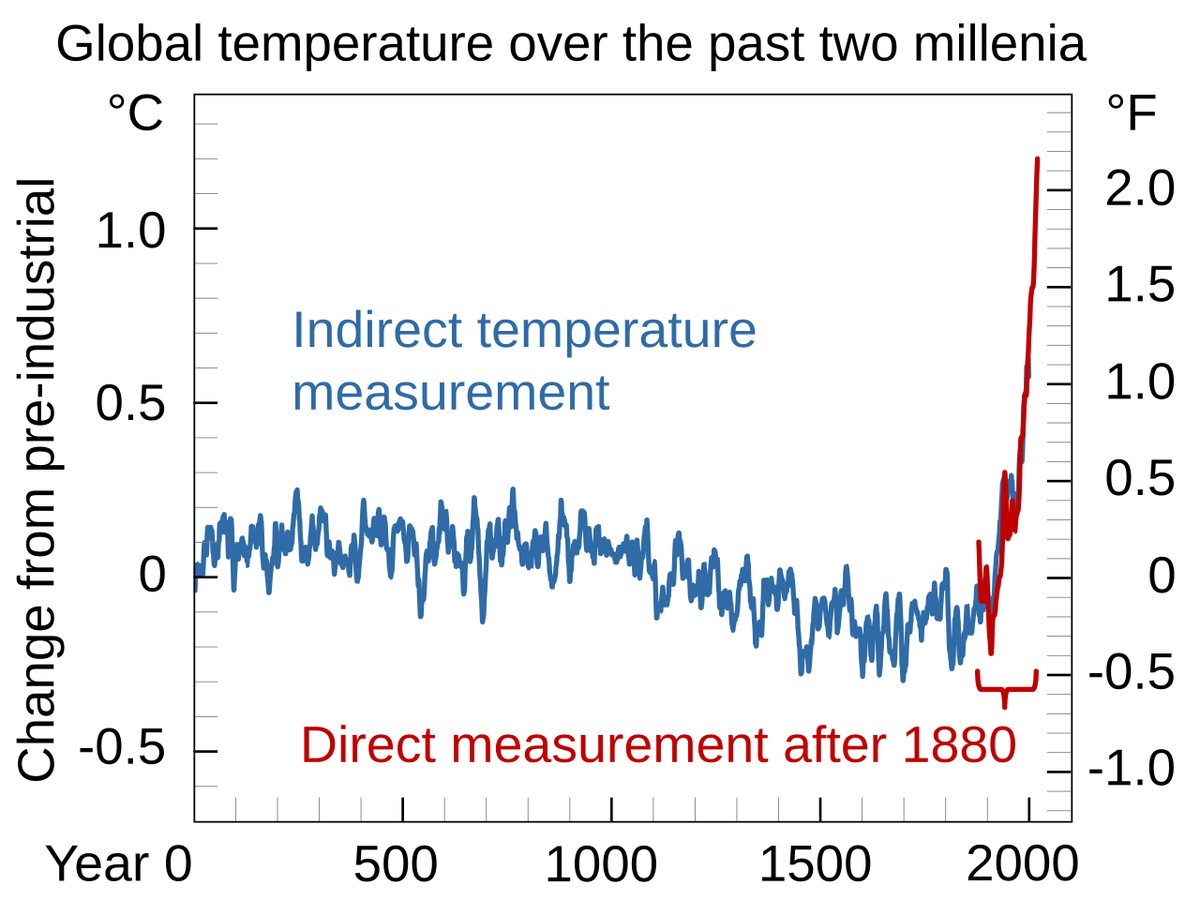
A preliminary study from the University of Melbourne, which has not yet been peer reviewed, adds a climate dimension to the picture. Using climate models run with and without greenhouse gas emissions, the researchers concluded that climate change has made an event of this kind about six times more likely. The findings suggest that the scale of the current warming is not simply a product of natural variability.
We rewrote this story on 4 November 2026 after an editorial review.
Credit. Based on reporting by Graham Readfearn for The Guardian. Is this your work? Write to us.
151