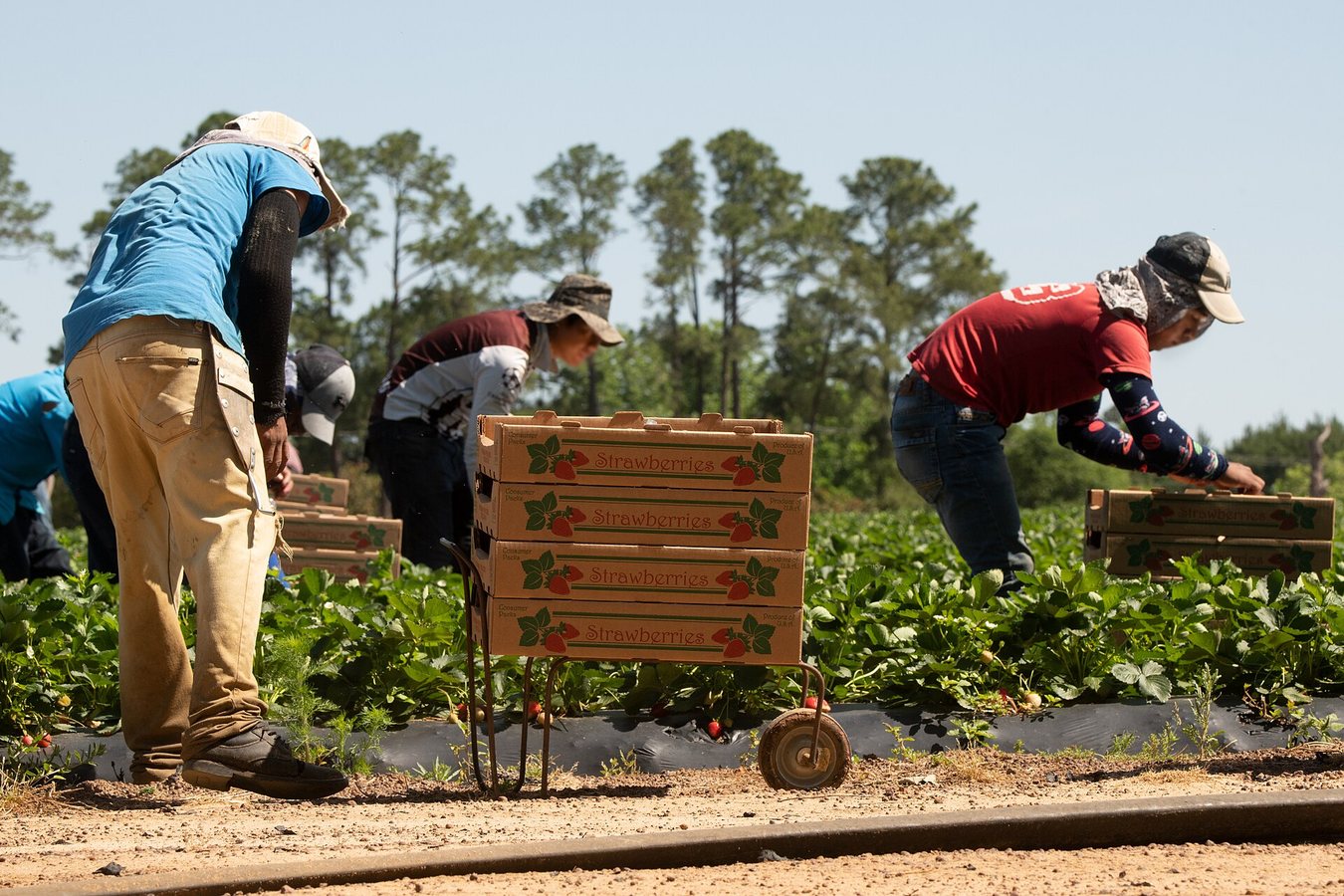
Efforts to secure legal protections for US workers exposed to extreme heat have stalled, prompting organizers to adopt a strategy that targets the reputations of major brands. The approach, borrowed from campaigns led by tomato pickers, aims to force companies to take responsibility for the health of workers in fields, greenhouses and unconditioned indoor facilities.
This summer was the hottest on record in the United States, yet most of those workers still lack basic heat protections on the job. As the climate crisis makes extreme heat more frequent and intense, organizers say the absence of rules leaves millions of people exposed to dehydration, heat exhaustion and potentially fatal heat stroke.
Lucas Benitez, a veteran farmworker organizer, described the conditions after harvesting watermelons with his sons and wife this summer. «It’s the kind of heat that makes you feel like you’re being dehydrated, like your skin is drying out,» he said. «The heat that we had 30 years ago is not nearly the heat that we have today.»
The strategy of pressuring brands rather than waiting for regulators mirrors earlier farmworker campaigns that won wage and safety concessions by targeting the companies at the top of the supply chain. By focusing on brand reputation, organizers hope to create economic incentives for employers to adopt shade, water, rest breaks and emergency protocols even where the law does not require them.
The push comes as federal heat safety efforts have failed to advance, leaving states and private employers to fill the gap. For workers in agriculture, construction, warehouses and other unconditioned workplaces, the consequences can be severe. Heat illness is preventable, public health experts note, but only when employers put basic measures in place and workers feel safe enough to use them.
Organizers argue that voluntary measures are not enough when temperatures reach record levels. They say brand-focused campaigns can move faster than the regulatory process and can reach workers across multiple employers and regions. The approach also gives consumers a way to hold companies accountable for conditions in their supply chains.
With another hot summer behind them, workers and advocates say the need for protections will only grow. As extreme heat becomes a more common feature of the US climate, the question of who bears responsibility for keeping workers safe is moving from the fields and warehouses into corporate boardrooms and public debate.
11