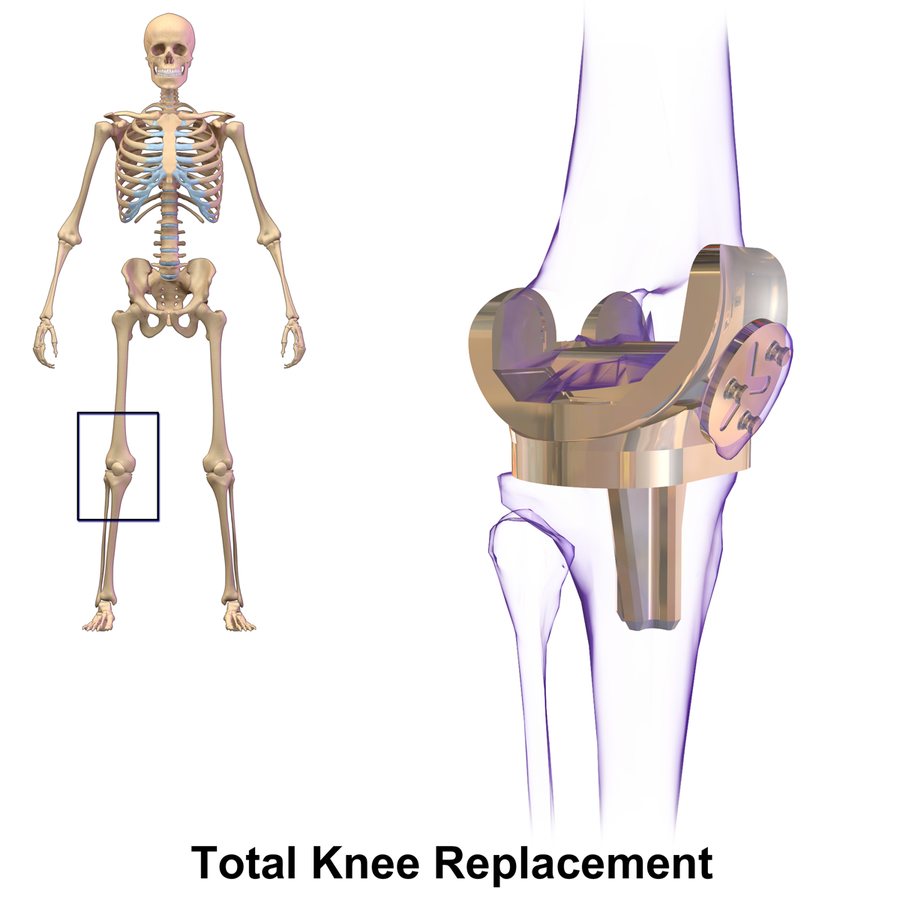
A large trial comparing robot-assisted knee replacement with conventional surgery has found that the robotic approach gives surgeons greater precision, but does not translate into better outcomes for patients over the first year after the operation. The study is described as the largest of its kind, and its results challenge the assumption that more advanced surgical technology automatically means a better recovery.
Robotic systems are designed to help surgeons position implants and prepare the joint with a higher degree of accuracy than manual methods allow. The trial confirmed that this advantage is real in the operating room. However, when patients were followed over twelve months, the researchers found no meaningful difference in pain relief, in the ability to move the knee, or in overall recovery compared with those who had standard surgery.
The findings matter because knee replacement is one of the most common orthopedic procedures, and robotic systems are often promoted as a way to improve results and justify higher costs. The trial suggests that precision alone may not be enough to change what patients experience after surgery, and that hospitals and insurers will need evidence of clinical benefit before assuming a premium is worth paying.
Several questions remain open. The source material does not detail the number of trial sites, the exact sample size, or the organizations that sponsored the research. The reasons for the lack of benefit have not yet been established, leaving room for further analysis of which factors shape patient outcomes. Researchers also do not yet know whether any differences might appear over longer periods, since the follow-up covered only one year. Further studies will be needed to answer these questions before any firm conclusions can be drawn about the long-term value of robotic knee replacement.
Credit. Based on reporting for ScienceDaily. Is this your work? Write to us.
32