On a rocky beach in Cornwall, a group of wetsuit-clad freedivers and snorkellers wade into the shallows below St Mawes Castle, a 16th-century fortress built by Henry VIII to defend Falmouth harbour. These volunteers, trained by the Cornwall Wildlife Trust, are using underwater cameras and floating GPS devices to monitor changes in marine habitats. Their work is part of a local initiative testing simple ways to stop algal blooms in the River Fal, which threaten some of England's most biodiverse marine environments.
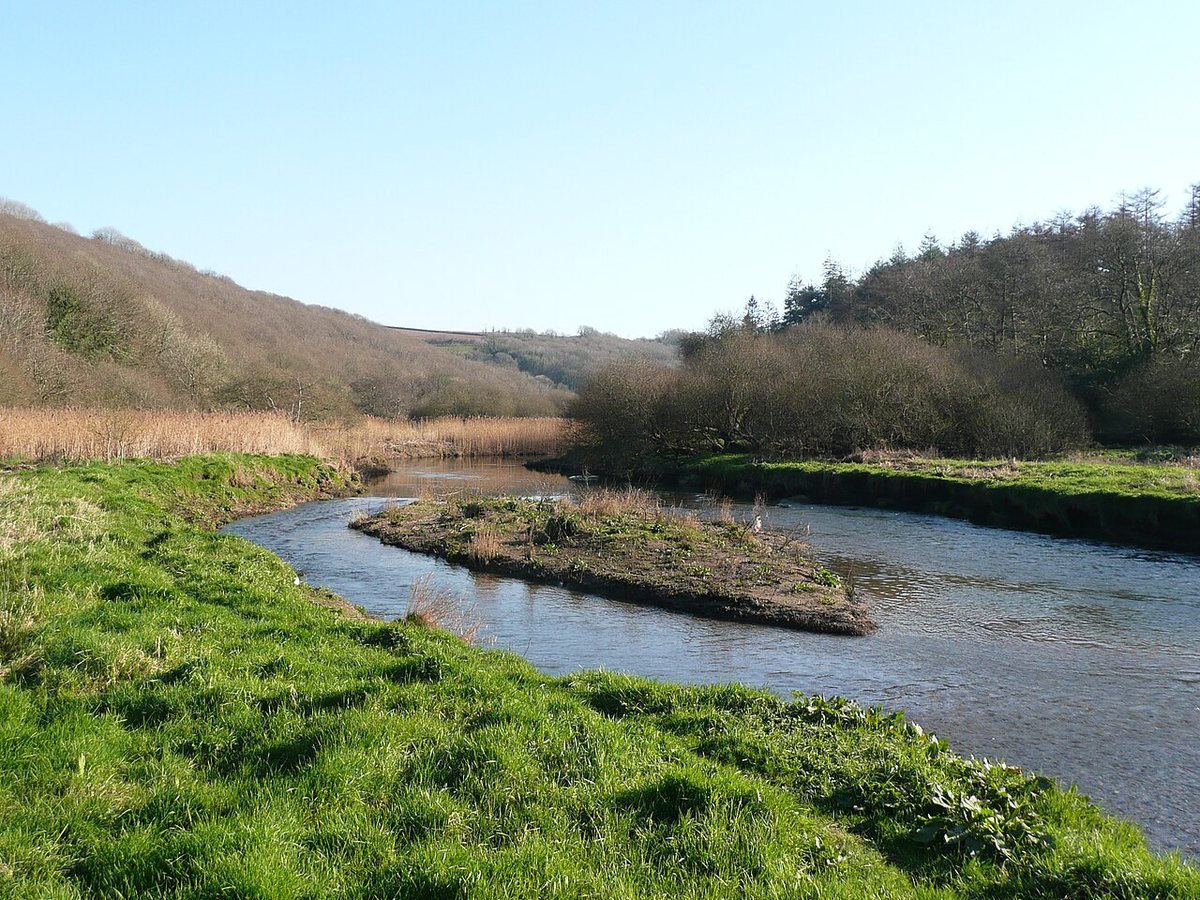
The project brings together farmers, fishers, and even beavers in an unusual collaboration aimed at reducing pollution runoff that feeds the algae. The River Fal is a designated Site of Special Scientific Interest, home to rare seagrass beds, maerl beds, and a range of marine life. Excess nutrients from agricultural runoff and other sources can trigger algal blooms, which block sunlight and deplete oxygen, harming these habitats.
Volunteers like Simon Tagney and Max Behnert are surveying the seabed to establish a baseline of the river's health. Their observations will help scientists and local stakeholders understand where the most damaging nutrient inputs occur and how they change over time. The data will guide practical interventions, such as adjusting farming practices, restoring riverbanks, and managing beaver populations that can help filter water and slow runoff.
Beavers, once extinct in England, have been reintroduced in some areas and are known to create wetlands that trap sediment and nutrients. Their presence in the Fal catchment could play a role in reducing the pollution that reaches the river. The initiative is exploring how these natural engineers can complement the efforts of farmers and fishers to improve water quality.
Farmers in the catchment are being encouraged to adopt measures like buffer strips, cover crops, and better manure management to reduce nutrient loss. Fishers, who depend on healthy marine habitats for their livelihoods, are also involved in monitoring and advocacy. The project emphasises that small changes, when multiplied across the community, can make a significant difference to the river's health.
The Cornwall Wildlife Trust is coordinating the effort, which is still in its early stages. The volunteers' surveys are expected to provide valuable long-term data that will inform future conservation strategies. The initiative is seen as a model for other coastal communities facing similar challenges from agricultural pollution and climate change.
While the full impact of the project will take years to assess, the collaboration between different groups is already fostering a sense of shared responsibility for the river. By working together, farmers, fishers, and conservationists are demonstrating that protecting the environment does not require drastic measures, but rather a collective commitment to making small, sustainable changes.
116