A new study from the United Kingdom has found that peppermint essential oil, a common and inexpensive natural product, may help reduce blood pressure in adults with mild hypertension. The research, conducted by a team of scientists, tested the effects of peppermint oil on a group of participants who had slightly elevated blood pressure readings, and the results point to a promising, non-pharmaceutical avenue for cardiovascular support.
Hypertension, or chronically high blood pressure, affects millions of people worldwide and is a major risk factor for heart disease, stroke, and kidney failure. While lifestyle changes and medications are standard treatments, many patients seek complementary or alternative approaches that are affordable and have fewer side effects. Peppermint oil, widely used in aromatherapy and traditional medicine for digestive issues and headaches, has now emerged as a candidate for blood pressure management based on this latest evidence.
The study involved adults diagnosed with mild hypertension, meaning their blood pressure was consistently above normal but not yet at dangerous levels. Participants were given peppermint oil in a controlled setting, and researchers monitored their blood pressure responses over a period of time. The findings showed a measurable decrease in both systolic and diastolic blood pressure readings among those who used the oil, compared to a control group. The exact mechanism is not yet fully understood, but scientists suspect that compounds in peppermint oil, such as menthol, may help relax blood vessels and improve circulation, thereby lowering pressure on arterial walls.
Peppermint oil is generally considered safe for most people when used appropriately, though it can cause skin irritation or allergic reactions in some individuals. The study emphasizes that the oil should not replace prescribed medications or medical advice, but could serve as a complementary strategy under professional guidance. Researchers caution against self-medicating with essential oils without consulting a healthcare provider, especially for those already taking blood pressure drugs, as interactions could occur.
The broader context of this research lies in the growing interest in natural and plant-based interventions for chronic conditions. Essential oils have been studied for various health benefits, including stress reduction, pain relief, and antimicrobial properties. However, rigorous scientific evidence for their cardiovascular effects has been limited. This study adds to a small but expanding body of literature suggesting that certain aromatic compounds may influence the autonomic nervous system, which regulates heart rate and blood vessel tone.
For individuals with mild hypertension, lifestyle modifications such as reducing salt intake, increasing physical activity, managing stress, and maintaining a healthy weight remain the cornerstone of treatment. The addition of peppermint oil, if confirmed by larger and longer-term trials, could offer an accessible tool for those seeking to lower their blood pressure without relying solely on pharmaceuticals. The study's authors call for further research to determine optimal dosages, delivery methods (such as inhalation versus topical application), and long-term safety.
It is important to note that the study was relatively small and short-term, so its findings should be interpreted with caution. Larger clinical trials involving diverse populations and extended follow-up periods are needed to validate the results and establish clear guidelines. Nevertheless, the initial data are encouraging and highlight the potential of natural products in preventive health care.
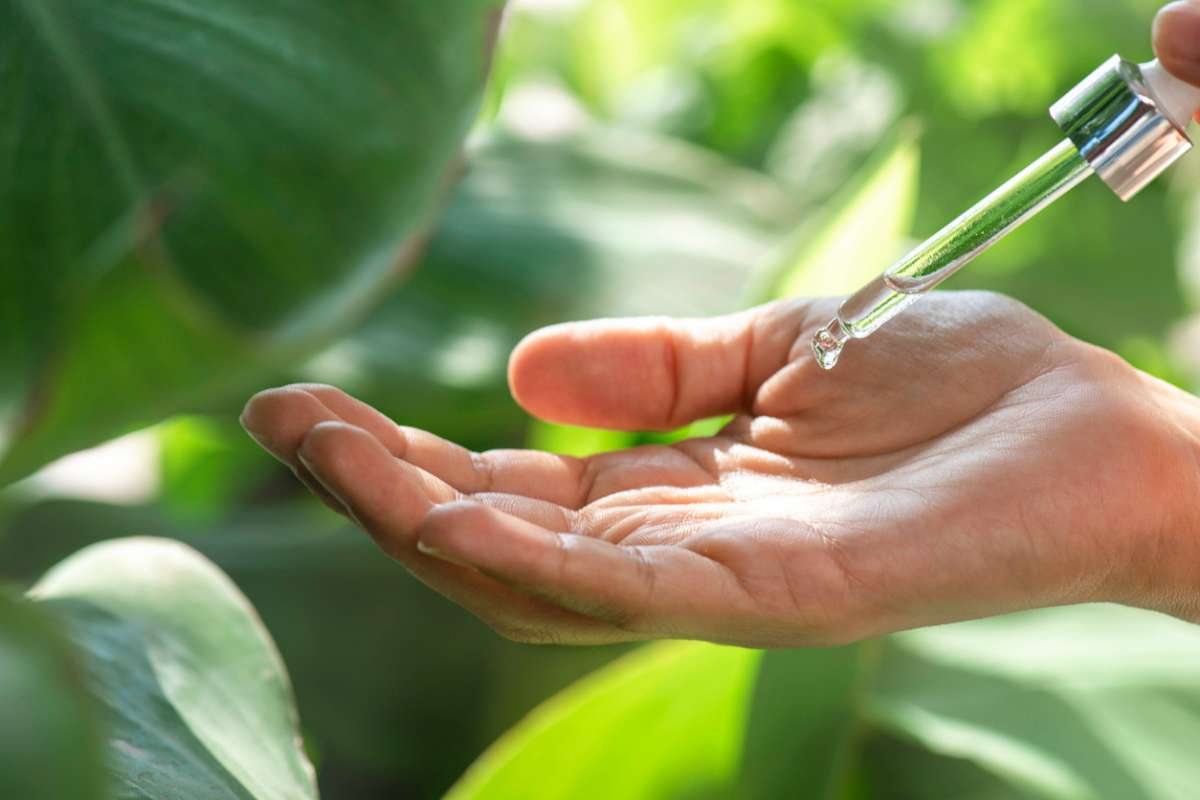
Peppermint oil is derived from the peppermint plant, a hybrid of watermint and spearmint, and has been used for centuries in various cultures. Its active ingredient, menthol, is known for its cooling and soothing effects. The oil is commonly available in health food stores and pharmacies, often sold in small bottles for aromatherapy or diluted for topical use. Consumers should ensure they purchase high-quality, pure essential oils from reputable sources to avoid adulterated products that may not produce the same effects.
In summary, this British study provides preliminary evidence that peppermint essential oil may help lower blood pressure in adults with mild hypertension, offering a low-cost and well-tolerated complementary option. While not a substitute for medical treatment, it opens the door for further investigation into how natural compounds can support cardiovascular health. As always, individuals should consult their doctor before starting any new health regimen, including the use of essential oils.
113