Heatwaves, droughts, wildfires and floods are arriving more often and with greater force as the planet warms, a pattern that a BBC News report on climate-driven extreme weather sets out in plain terms. The rise in global temperatures is not just adding to the number of extreme events; it is also making the events that do occur more severe.
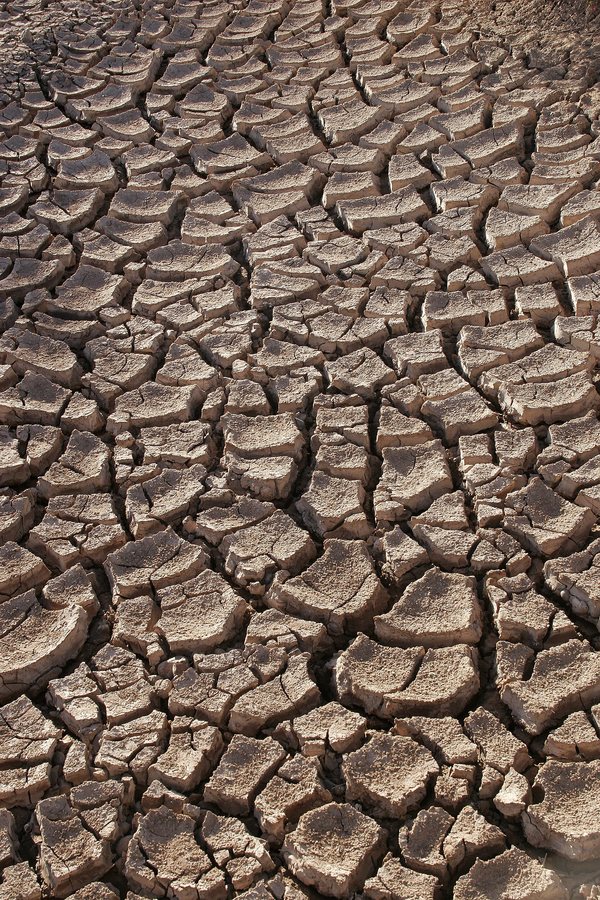
Each of these hazards is linked to the same underlying shift. A warmer atmosphere holds more moisture and pushes hot conditions further and for longer, which can intensify dry spells and the heat that feeds them. Those same conditions can dry out vegetation and soil, creating fuel for wildfires, while a heavier concentration of moisture in the air can also feed sudden, intense downpours and flooding.
The report focuses on this combined effect across the four types of event rather than treating them as isolated incidents. Because heatwaves, droughts, fires and floods can each follow from changes in the same climate system, communities may face several of them in close succession or in overlapping ways.
The findings underline why the frequency and intensity of extreme weather are now central to discussions about climate change. The coverage makes clear that the trend is tied to rising global temperatures, placing the issue squarely within the broader debate over how societies prepare for and adapt to a changing climate.
Credit. Based on reporting by Mark Poynting and Alex Brian for BBC Science and Environment. Is this your work? Write to us.
16