Britain has just experienced its hottest summer since records began in 1884, according to the Met Office, the country's national weather service. The summer average reached 16.5°C, comfortably beating the previous record of 16.1°C set last year, and the season delivered heat and dryness that reached deep into daily life.
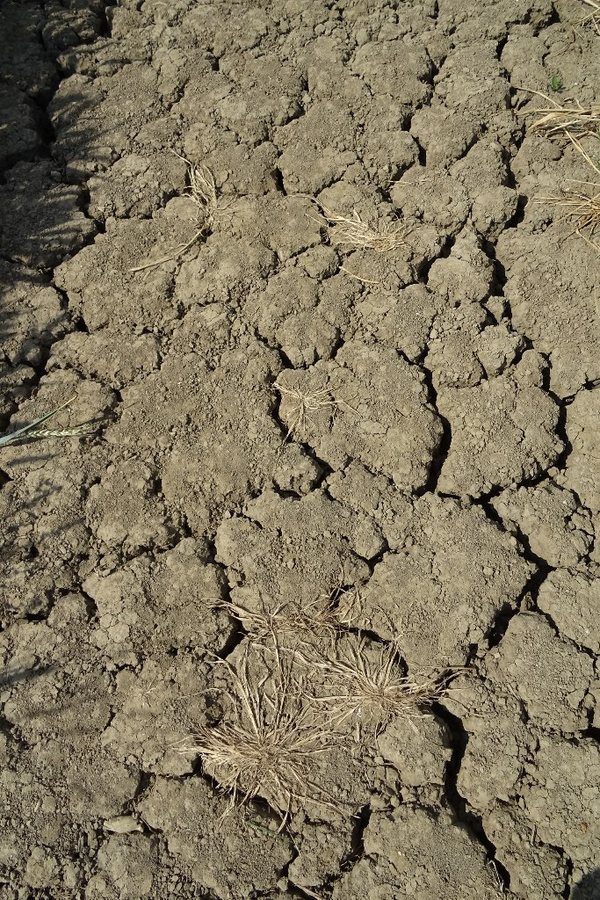
June was the second-warmest month on record, and July came in second too. In June, temperatures hit 38°C for the first time, in Norfolk. The peak came on 13 August, when Kew Gardens in London recorded 38.1°C. The heat arrived alongside a sharp drop in rainfall: July's rain largely disappeared, leaving much of England in severe drought.
The effects spread well beyond the weather. Farmers reported crop damage, healthcare services came under strain during the hottest spells, and severe wildfires broke out across the country. The Met Office's Amy Doherty and Mark McCarthy have pointed to the wider pattern, noting that the five warmest UK summers have all occurred since 2003.
The service has also assessed the role of human-caused warming. It concludes that climate change made a summer like this about 130 times more likely. Without greenhouse gas emissions, it estimates, a summer of this intensity would be a roughly 1-in-1,000-year event. Looking ahead, the Met Office says that at 4°C of warming, this summer would be considered cool.
The environmental group WWF used the findings to press for action. Its representative Ruth Fuller said emissions must reach net zero, arguing that the country cannot keep absorbing the costs of repeated extremes.
We rewrote this story on 4 November 2026 after an editorial review.
Credit. Based on reporting by Madeleine Cuff for New Scientist. Is this your work? Write to us.
116