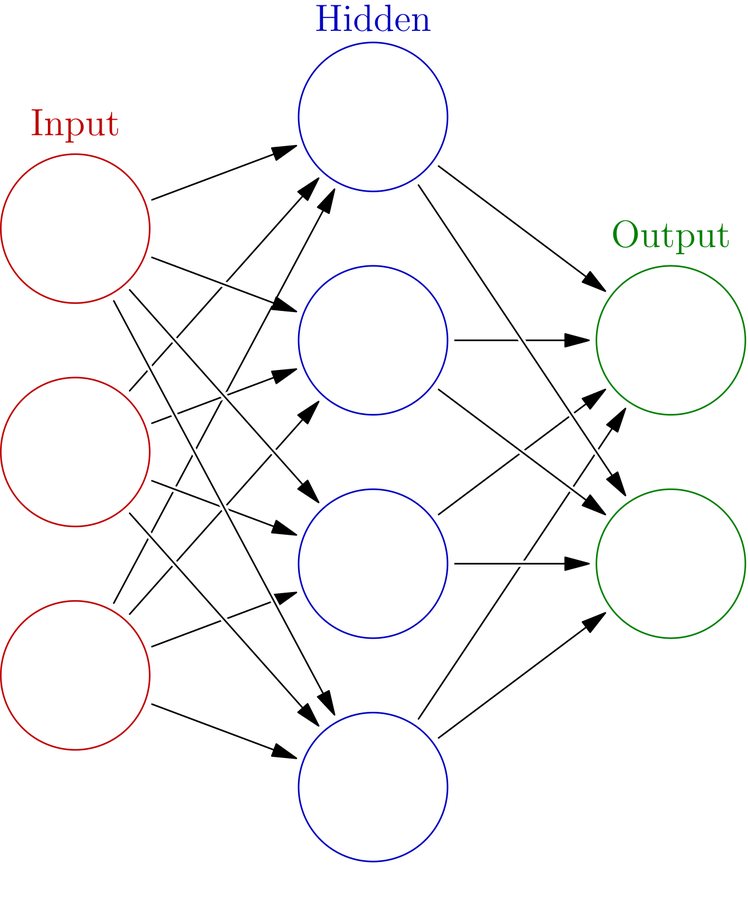
Some artificial intelligence models built to predict how the brain behaves may not reflect how biological brains actually work. Scientists reporting in a ScienceDaily release from November 2026 say these systems can arrive at accurate-looking predictions through internal mechanisms that have no counterpart in the human brain, a finding that complicates their use as stand-ins for neural activity.
The concern centers on whether AI models can be trusted in neuroscience research. Researchers increasingly use such tools to simulate brain function and to guide experiments, so a model that matches data for the wrong reasons could steer studies in misleading directions. The release does not identify which specific models were examined, which brain datasets were used, or how common the problem may be across the field, and those open questions will likely shape how seriously the findings are taken.
The work sits alongside related efforts in computational neuroscience. One is a virtual fruit fly controlled through a map of an insect brain, a project that tests whether detailed brain wiring can produce realistic behavior. Another effort aims to predict how patterns of neuron activity drive movement. Together these projects show how much the field relies on models that link neural signals to action, and why accuracy in those links matters.
The findings also arrive during a broader debate about scientific overconfidence. A Nature feature published on 20 November 2026 and written by five senior scientists, including one Nobel laureate, examines dead ends, mistakes and the stubborn certainty that can take hold in research. That piece does not focus on artificial intelligence, but its themes of caution and self-correction fit the questions raised by the AI findings.
For now, the central takeaway is a call for care. Models that perform well on prediction tasks may still differ fundamentally from the systems they are meant to represent, and researchers will need to test those similarities rather than assume them.
Credit. Based on reporting for ScienceDaily. Is this your work? Write to us.
17