Global carbon dioxide emissions from fossil fuels are expected to hold steady or dip slightly in 2026, marking the first decline in five years. The forecast, from the Global Carbon Budget assessment prepared by more than 140 researchers, puts total fossil emissions at about 38.2 gigatonnes, a fall of roughly 0.4 percent. The findings are due to be presented at the Cop31 climate summit.
The biggest change is in oil. Emissions from oil are projected to drop by about 1.9 to 2 percent, while coal emissions are expected to rise by around 0.6 percent. The shift reflects how consumers and businesses have responded to rising fuel prices, with many cutting back on fuel use and switching to electric vehicles.
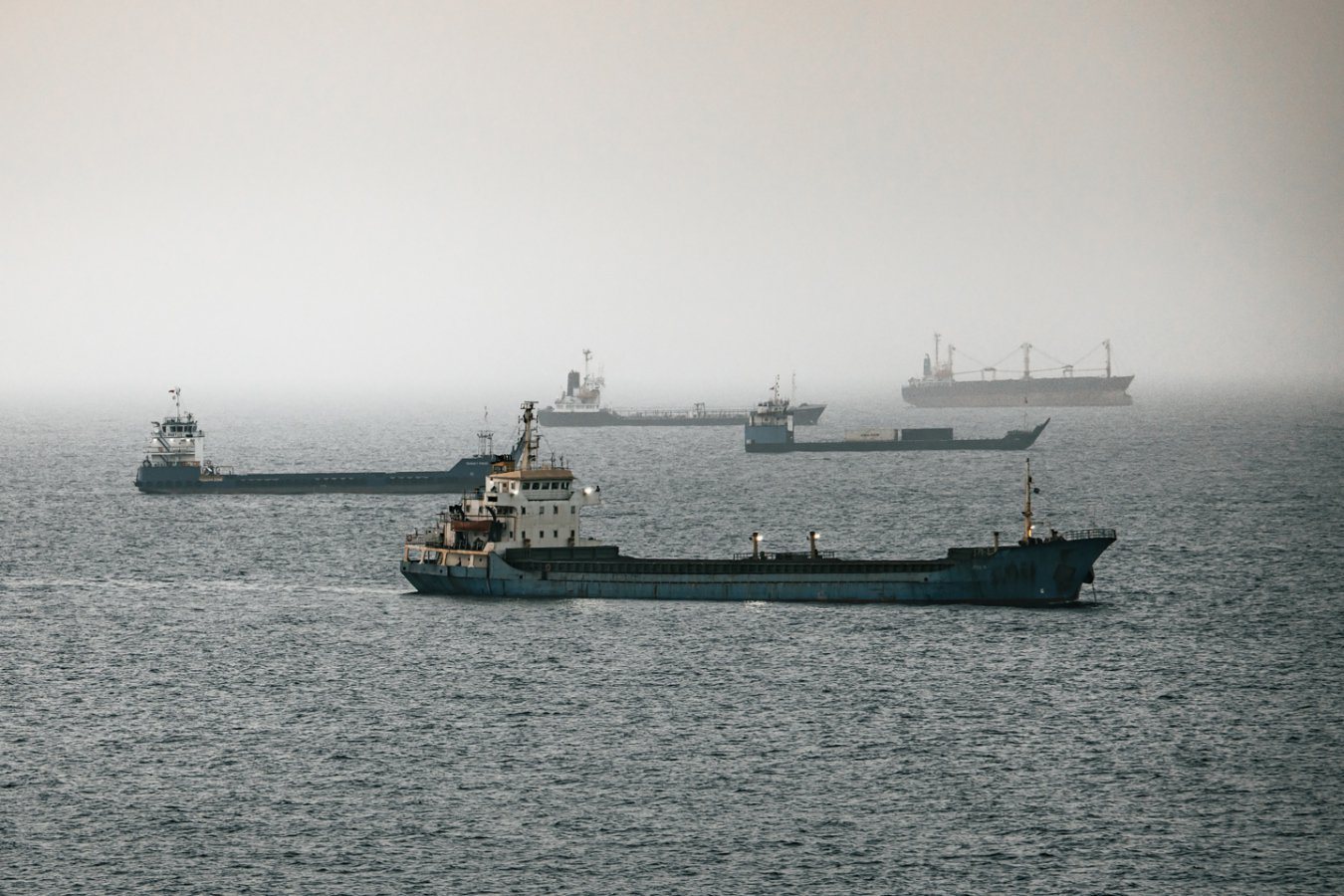
The price spike follows the Iran war, which began in February and disrupted oil shipments through the Strait of Hormuz. The strait carries roughly 20 percent of the world's oil and liquefied natural gas, and its disruption sent prices sharply higher. Households facing expensive petrol were pushed toward alternatives, a change the researchers link directly to the short-term fall in emissions.
China is a major part of the picture. Chinese emissions are projected to fall by about 0.9 percent in 2026, which the assessment attributes to rapid growth in renewable power and electric vehicles.
The researchers are cautious about what the dip means. They describe it as a possible temporary blip driven by an energy shock rather than a lasting turning point, and warn that emissions could rebound if oil prices return to pre-war levels. Whether renewables are the main driver of the decline is also still disputed among experts.
Credit. Based on reporting by Fiona Harvey for The Guardian. Is this your work? Write to us.
19