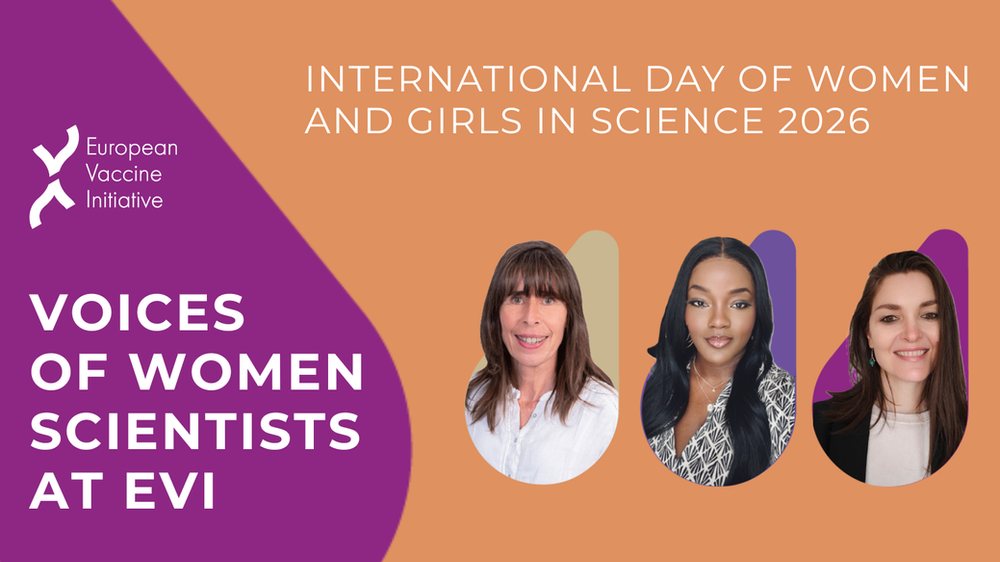
Advancing gender equality in science is not only a matter of fairness. According to a publication marking the International Day of Women and Girls in Science 2026, it also directly improves public health, social policy and innovation by embedding inclusion into how knowledge is produced and applied.
The central argument is that research is shaped by who takes part in designing it, who is studied and who benefits from its results. When research teams and study populations lack diversity, the resulting findings can miss important differences in how diseases, treatments and risks affect women and men. Building equity into the research process is presented as a way to produce evidence that serves a wider range of people.
The message sits within the annual observance of the International Day of Women and Girls in Science, which is intended to draw attention to the participation of women and girls in scientific fields and to the barriers they continue to face. The source material frames equity not as a separate goal but as a condition for better research quality and health outcomes.
The implications extend beyond the laboratory. Inclusive science is linked in the source to social policy decisions that depend on reliable data, and to innovation that reaches more of the population. By treating inclusion as part of scientific practice rather than an add-on, the publication argues that institutions can strengthen both the credibility and the usefulness of the knowledge they generate.
11