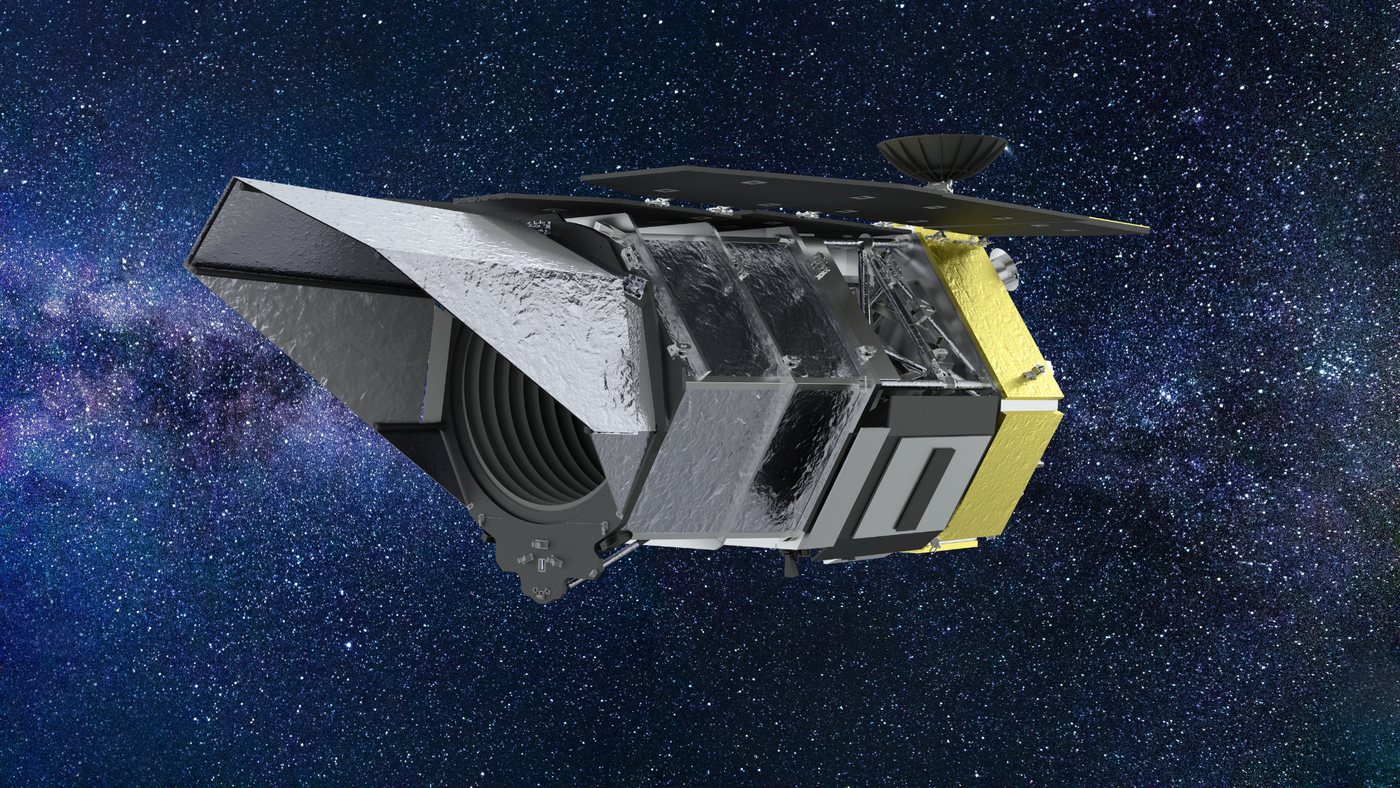
NASA's Nancy Grace Roman Space Telescope, designed to probe dark energy, dark matter, and exoplanets, has sparked a lively debate among readers about the value of space exploration. The mission, scheduled for launch by May 2027, aims to survey the cosmos with a field of view 100 times larger than the Hubble Space Telescope's, potentially revolutionizing our understanding of the universe's accelerating expansion.
Readers responding to coverage of the mission expressed a range of views, from enthusiastic support to skepticism about its cost and priorities. One reader commented, «It is something we must know before we go where no man has gone before,» capturing a sentiment that scientific knowledge is a prerequisite for human expansion into space. Others questioned whether the billions of dollars could be better spent on Earth, while supporters argued that the telescope's discoveries could yield unforeseen technological and societal benefits.
The Roman Space Telescope, named after NASA's first chief of astronomy, is designed to address some of the most pressing questions in astrophysics. Its wide-field instrument will conduct a survey of the sky in infrared light, allowing astronomers to map the distribution of galaxies and measure the effects of dark energy with unprecedented precision. It will also use gravitational microlensing to detect exoplanets, including those that are too distant or faint for other methods.
The mission is part of NASA's broader effort to understand the nature of dark energy, the mysterious force driving the universe's accelerating expansion. Dark energy is thought to make up about 68% of the universe, yet its properties remain largely unknown. The Roman telescope's observations could help determine whether dark energy is a constant force or changes over time, which would have profound implications for cosmology.
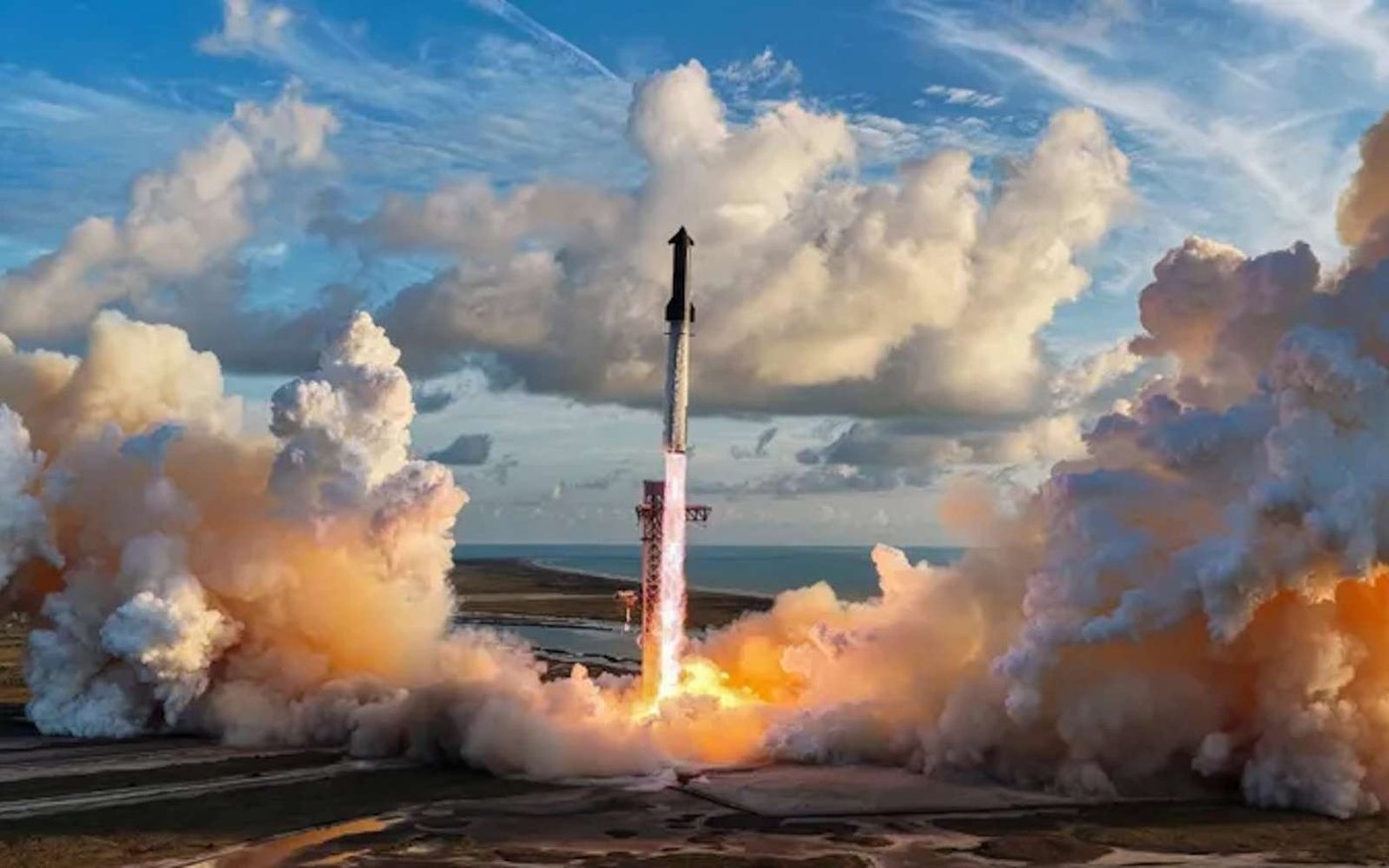
Reader reactions also touched on the philosophical and ethical dimensions of space exploration. Some argued that investing in space science inspires future generations and fosters international collaboration, while others expressed concern about the environmental impact of rocket launches and the allocation of resources. NASA has emphasized that the Roman telescope will be launched on a SpaceX Falcon Heavy rocket, and its data will be publicly available to researchers worldwide.
The telescope is currently in development at NASA's Goddard Space Flight Center, with contributions from industry partners and international space agencies. Its launch window is set for October 2026 to May 2027, and it will operate at the Sun-Earth Lagrange point 2, about 1.5 million kilometers from Earth. From there, it will have a clear view of the cosmos, unaffected by Earth's atmosphere and light pollution.
As the launch date approaches, the debate over the Roman telescope reflects broader questions about the role of science in society. Whether viewed as a vital tool for discovery or a costly endeavor, the mission underscores humanity's enduring curiosity about the universe and our place within it. The readers' comments highlight that space exploration is not just a technical challenge but also a cultural and ethical one, requiring public engagement and thoughtful consideration of its goals and consequences.
25