The most difficult part of Ukraine’s proposed Patriot production line may be neither the launcher nor the missile body. The Telegraph reports that U.S. officials are focused on the PAC-3 Ka-Band Active Radar Seeker built by Boeing, a terminal-guidance sensor whose small physical scale hides a dense concentration of engineering, software and export-controlled knowledge.
Boeing describes the PAC-3 seeker as the part that identifies and tracks advanced threats and supplies data to the missile’s onboard guidance system. Earlier company descriptions say it operates during the terminal phase, when the interceptor is closing on the target. PAC-3 uses hit-to-kill technology, meaning the missile destroys the threat through a direct high-speed collision. The seeker’s ability to maintain an accurate track near intercept is therefore fundamental to the weapon’s performance.
President Donald Trump said on July 8 that the United States would give Ukraine the right to manufacture Patriots. That political statement did not specify the engineering boundary of the license. The Associated Press reported that production could begin with imported kits and final assembly rather than full replication of every subsystem. AP also highlighted the active radar seeker as a technology so sensitive that Washington might withhold complete manufacturing documentation.
A seeker is not transferred merely by shipping a sample. Reproducing it requires materials specifications, circuit and antenna designs, software, calibration methods, environmental testing, quality-control procedures and specialists who understand how the pieces interact. The Telegraph says U.S. officials are concerned that expanding this knowledge base into a wartime foreign production network could create opportunities for Russian intelligence to acquire parts of the design.
That concern helps explain why a hybrid manufacturing model is technologically plausible. Boeing announced in April that it will triple PAC-3 seeker production under a seven-year framework with the U.S. government. The company says it has invested more than $200 million in Huntsville since 2024 and increased seeker deliveries by more than 30% in 2025. Lockheed Martin, the PAC-3 MSE prime contractor, plans to raise annual missile capacity from roughly 600 to 2,000. A larger flow of U.S.-made seekers could feed licensed assembly elsewhere while sensitive fabrication remains in Alabama.
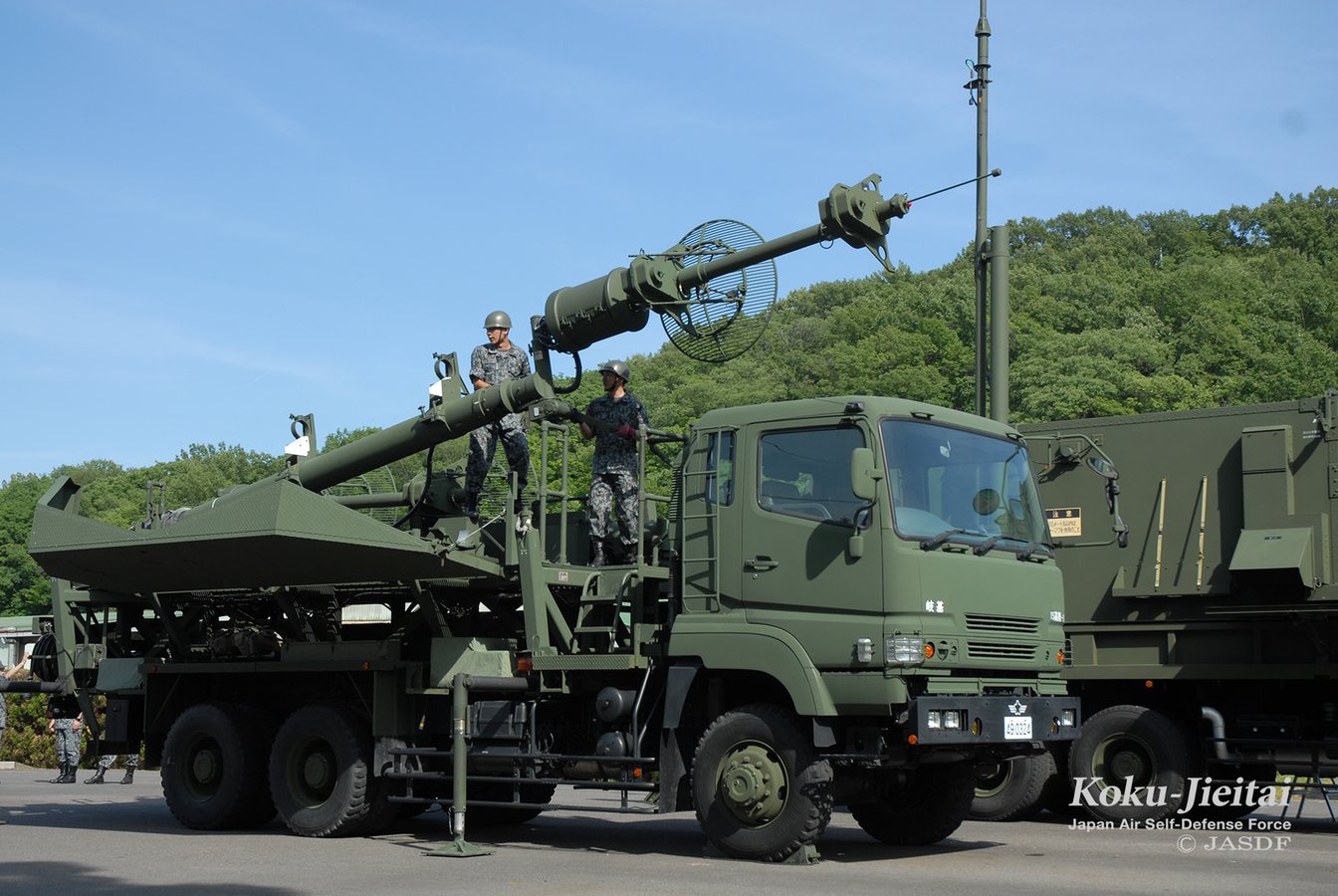
The time required to establish even that arrangement is substantial. AP cited a Ukrainian estimate of at least 18 to 24 months for a first pilot line using complete component kits, followed by additional time to produce finished weapons. Japan’s experience points in the same direction. It entered licensed PAC-3 production in the mid-2000s, and its first successful test with a missile assembled in Japan occurred in 2008.
Location adds another engineering constraint. A production plant inside Ukraine would have to be designed around the risk of Russian missile attack, potentially requiring hardened or underground facilities and dispersed operations. The Telegraph reports that Germany or another European country is being considered instead. Europe already has growing Patriot infrastructure, although Germany’s documented 2024 manufacturing program is for GEM-T, a PAC-2-derived interceptor, not the PAC-3 seeker.
The scientific story is therefore one of systems engineering as much as politics. A missile can be licensed in modules, and the most sensitive module does not have to be produced where the rest of the weapon is assembled. Ukraine’s long-term ability to manufacture PAC-3-class interceptors will depend on how the final architecture divides sensors, motors, structures, software and integration across U.S., European and Ukrainian facilities.
90