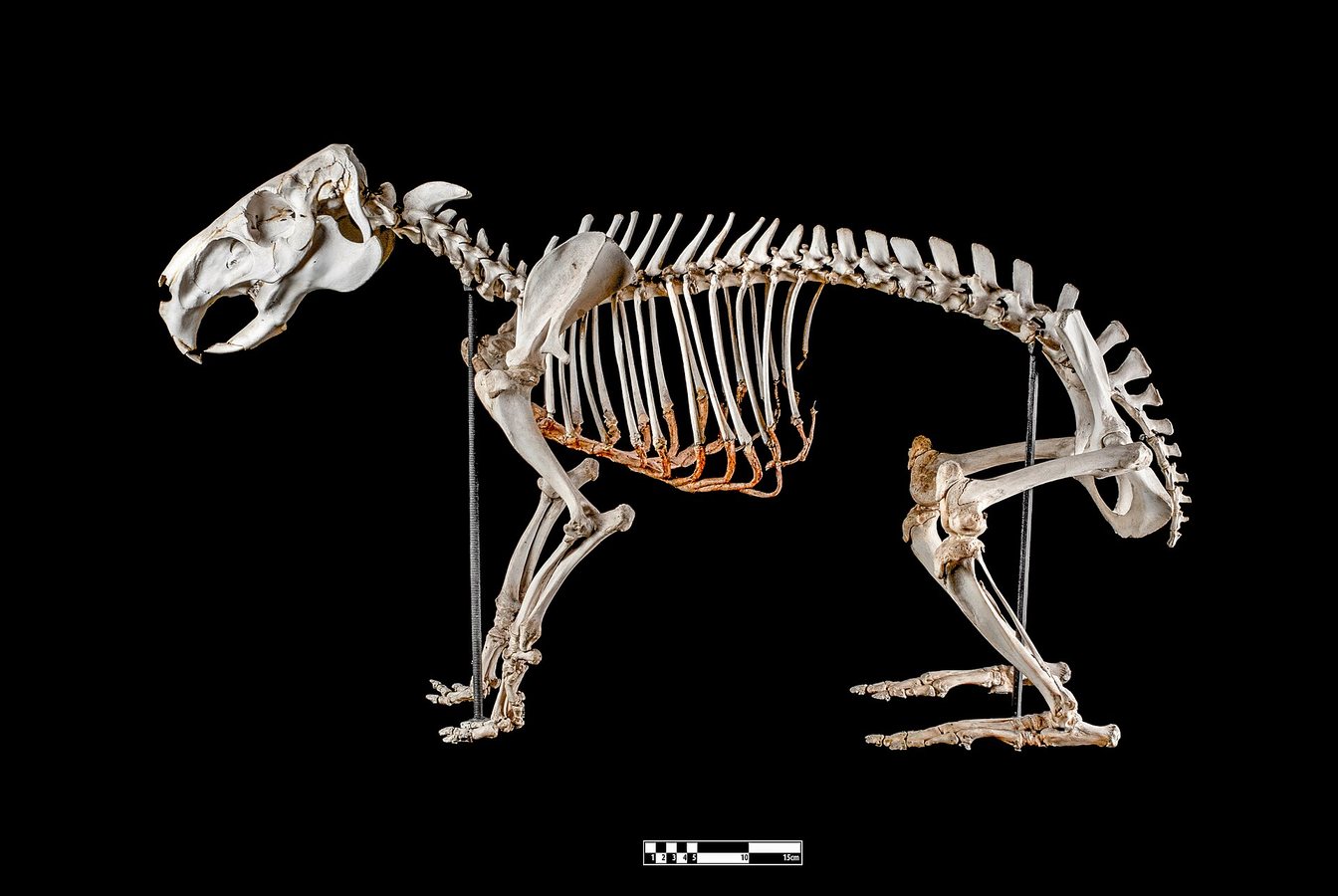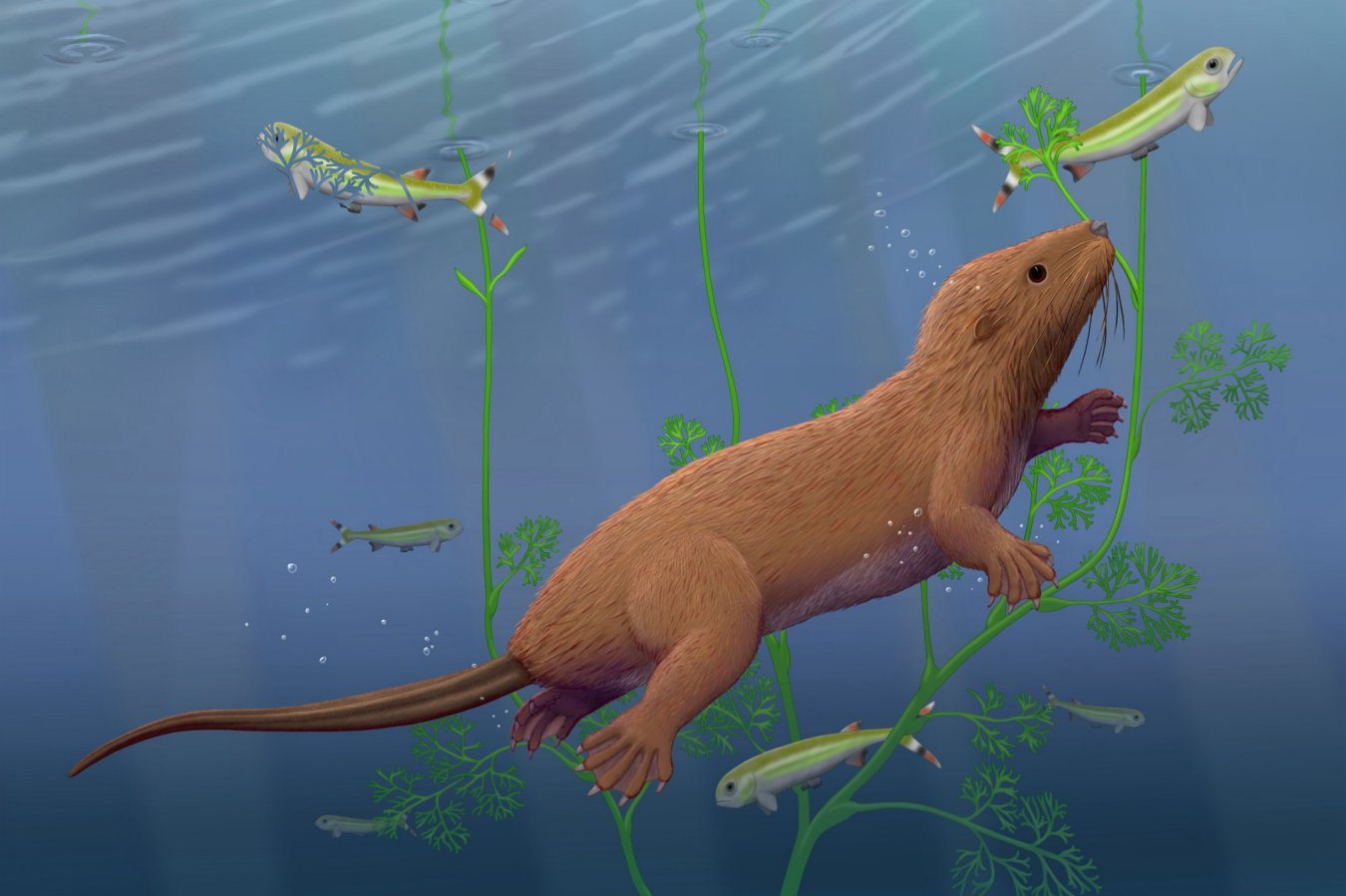
A fossil mammal unearthed in China has upended a long-held assumption about the evolution of our own lineage: that the replacement of teeth throughout life was lost early in mammalian history. The newly described species, which lived during the Cretaceous period, appears to have retained the ability to continuously replace its teeth — a trait more typical of reptiles than of the mammals that would eventually give rise to humans.
Unlike most modern mammals, which develop just two sets of teeth in their lifetime — the so-called deciduous, or baby, teeth and the permanent adult set — this ancient creature seems to have possessed a lifelong tooth-replacement system. That capacity is common among reptiles, which shed and regrow teeth continuously, but it was thought to have been abandoned by mammals very early in their evolutionary story. The discovery therefore complicates the standard narrative of mammalian dental evolution.
The finding is based on fossil material recovered in China and dated to the Cretaceous, the geological period that ended roughly 66 million years ago and during which mammals remained generally small and ecologically marginal while dinosaurs dominated the planet. The species described is not a direct human ancestor, but it belongs to the broader mammalian family tree, meaning its traits can inform how our own lineage evolved.
Teeth are among the most informative features in the fossil record. Because enamel is the hardest tissue in the vertebrate body, teeth are frequently preserved when bones are not, and their shape and wear patterns offer clues about diet, growth, and life history. The number of tooth generations a species produces is also a fundamental developmental trait, tied to how long an animal lives and how its jaws function.
In most mammals, the switch to a limited set of teeth is thought to be linked to precise occlusion — the way upper and lower teeth fit together to chew food efficiently — and to a faster, more determinate pattern of growth. Losing the ability to replace teeth continuously may have been a trade-off that favored durability and precise biting over regenerative capacity. The new fossil suggests that this transition was not as simple or as universal as once believed.
If some Cretaceous mammals retained reptilian tooth replacement, the trait may have persisted in certain lineages long after the split between mammals and their reptilian relatives, or it may have evolved independently in this species. Either scenario would require paleontologists to reconsider the timing and the evolutionary pressures behind the loss of continuous tooth replacement in mammals.
The discovery adds to a growing body of evidence that early mammals were more diverse in their development and ecology than their modern counterparts suggest. Fossils from the Cretaceous of China have already produced a series of surprising mammals, including species with adaptations for gliding, swimming, and burrowing. Each new find refines the picture of how mammals survived alongside dinosaurs and eventually diversified after the dinosaurs' extinction.
For now, the fossil raises as many questions as it answers. Researchers will want to determine whether the tooth-replacement pattern seen here reflects a genuine lifelong capacity or a more limited form of replacement, and whether other early mammals shared it. Comparative studies of tooth development in living mammals and reptiles will help clarify how such a system could operate and why it was lost in most of our relatives.
What is clear is that the neat division between reptilian and mammalian dental strategies is blurrier than textbooks have long suggested. A small mammal from the Cretaceous of China, preserved with its telltale teeth, has become an unexpected witness to the deep history of a feature we rarely think about — until it hurts.
12