Protecting biodiversity and stabilizing the climate are not separate challenges but two halves of the same crisis, according to conservation advocates who are pressing for the two issues to be addressed in tandem as international climate negotiations move forward. The argument, made prominently during Climate Week NYC and reiterated as attention turns toward the COP17 and COP31 summits, holds that the relationships between species and their ecosystems are what keep nature healthy enough to support both people and the planet.
From coral reefs to tropical forests, those relationships form the foundation of functioning natural systems. Reefs depend on a delicate balance among corals, fish, algae, and countless smaller organisms; when that balance is disrupted, the reef weakens and the coastal communities that rely on it for food, income, and storm protection suffer. Tropical forests work in much the same way, with an intricate web of plants, animals, fungi, and microorganisms cycling nutrients, storing carbon, and regulating rainfall across entire regions.
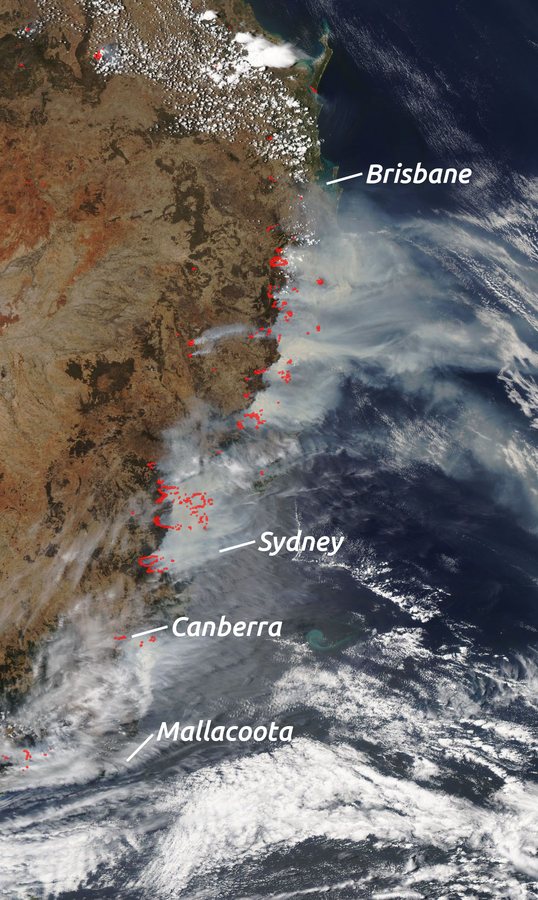
The message from the campaign is blunt: climate action that ignores biodiversity, or conservation that ignores a warming planet, will not succeed. Rising temperatures, shifting weather patterns, and extreme events such as droughts, floods, and wildfires place direct pressure on species and habitats. At the same time, the loss of species and the degradation of ecosystems undermine nature's capacity to absorb carbon, buffer communities against disasters, and sustain agriculture and fisheries.
That interdependence is why advocates argue the two crises must be tackled together rather than through separate tracks. A forest that is protected but subjected to repeated drought and heat stress may still degrade, releasing stored carbon and losing species. A reef shielded from local pollution but hit by marine heat waves can bleach and die. Conversely, restoring mangroves, wetlands, and forests can simultaneously support wildlife and lock away carbon, offering benefits on both fronts.
The timing of the push reflects the international calendar. Climate Week NYC brings together governments, businesses, and civil society to advance climate commitments, while the COP17 and COP31 summits represent upcoming opportunities to translate pledges into policy. Conservation groups are using those moments to argue that biodiversity protections belong inside national climate plans, not on a parallel agenda that receives less attention and fewer resources.
For the public, the stakes are practical rather than abstract. Healthy ecosystems underpin food security, clean water, and livelihoods, particularly for communities that live closest to reefs, forests, and other vulnerable habitats. When those systems falter, the consequences ripple through economies and societies, often hitting the poorest hardest.
The campaign's core claim is straightforward: nature is not a backdrop to the climate fight but a participant in it. Species and ecosystems help keep the planet habitable, and their decline makes the climate challenge harder to solve. Treating biodiversity and climate as one integrated problem, advocates say, is not a matter of environmental idealism but of practical necessity if either crisis is to be brought under control.
8