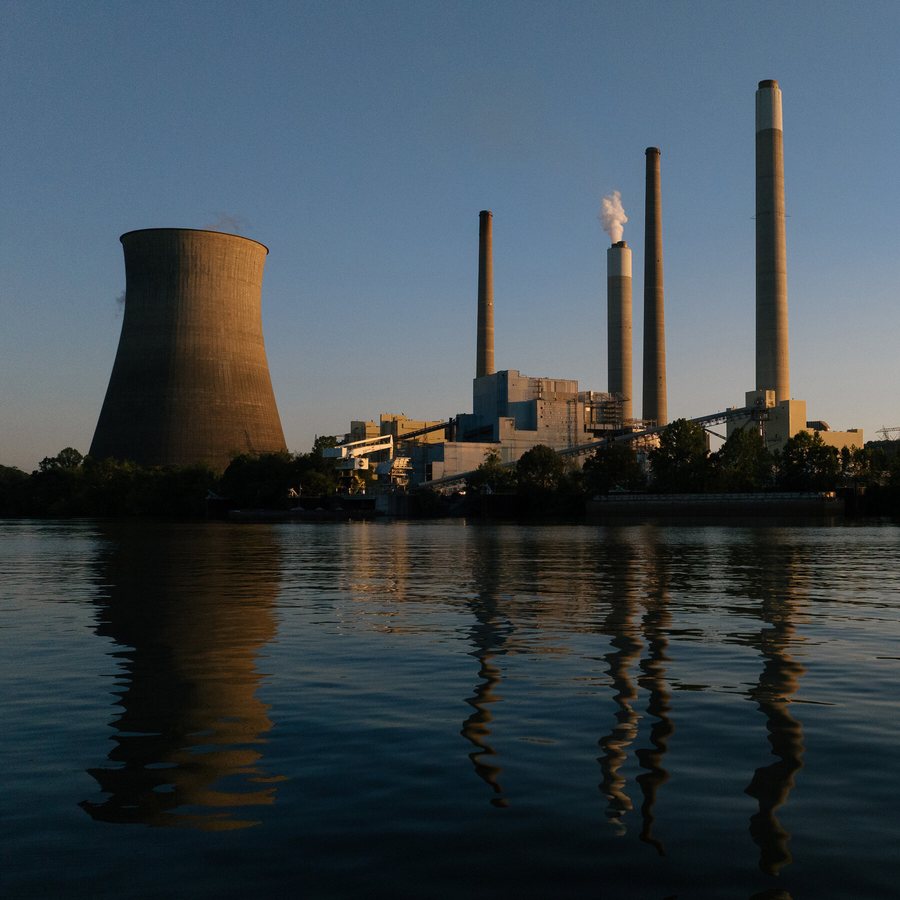
A coal-fired power plant in West Virginia has become the visual backdrop for a renewed global conversation about climate policy, as the United States, China and Germany prepare for high-stakes discussions on energy and emissions. The image of the plant, still operating and central to the local economy, underscores the difficult trade-offs facing governments that must balance immediate energy needs with long-term climate goals.
The three countries represent very different positions in the global climate debate. The United States, under the Trump administration, has consistently prioritized domestic energy production, including coal, while questioning the economic costs of aggressive emissions reductions. China, the world's largest emitter, continues to expand renewable energy at an unprecedented scale but also relies heavily on coal to power its growing economy. Germany, meanwhile, has pursued an ambitious energy transition known as the Energiewende, yet has faced setbacks as it phases out nuclear power and temporarily increases coal use to secure supply.
These competing pressures are expected to shape the agenda when leaders and diplomats meet in the coming months. The West Virginia plant serves as a reminder that climate policy is not just an abstract international negotiation but a local reality for communities that depend on fossil fuel jobs. Any agreement or disagreement among the three nations will have ripple effects on global markets, technology transfer and the pace of decarbonization.
Analysts note that the conversation is no longer about whether to transition away from fossil fuels, but how quickly and who pays for it. The United States has emphasized innovation and private-sector solutions, while China has invested heavily in solar, wind and electric vehicles. Germany has positioned itself as a bridge between ambitious European climate targets and the practical challenges of industrial competitiveness.
The upcoming talks are likely to test whether these three major economies can find common ground on emissions reductions, financing for developing countries and the future of coal. For now, the coal-fired plant in West Virginia remains a potent symbol of the work ahead — a reminder that the global climate debate is rooted in real places, real jobs and real political choices.