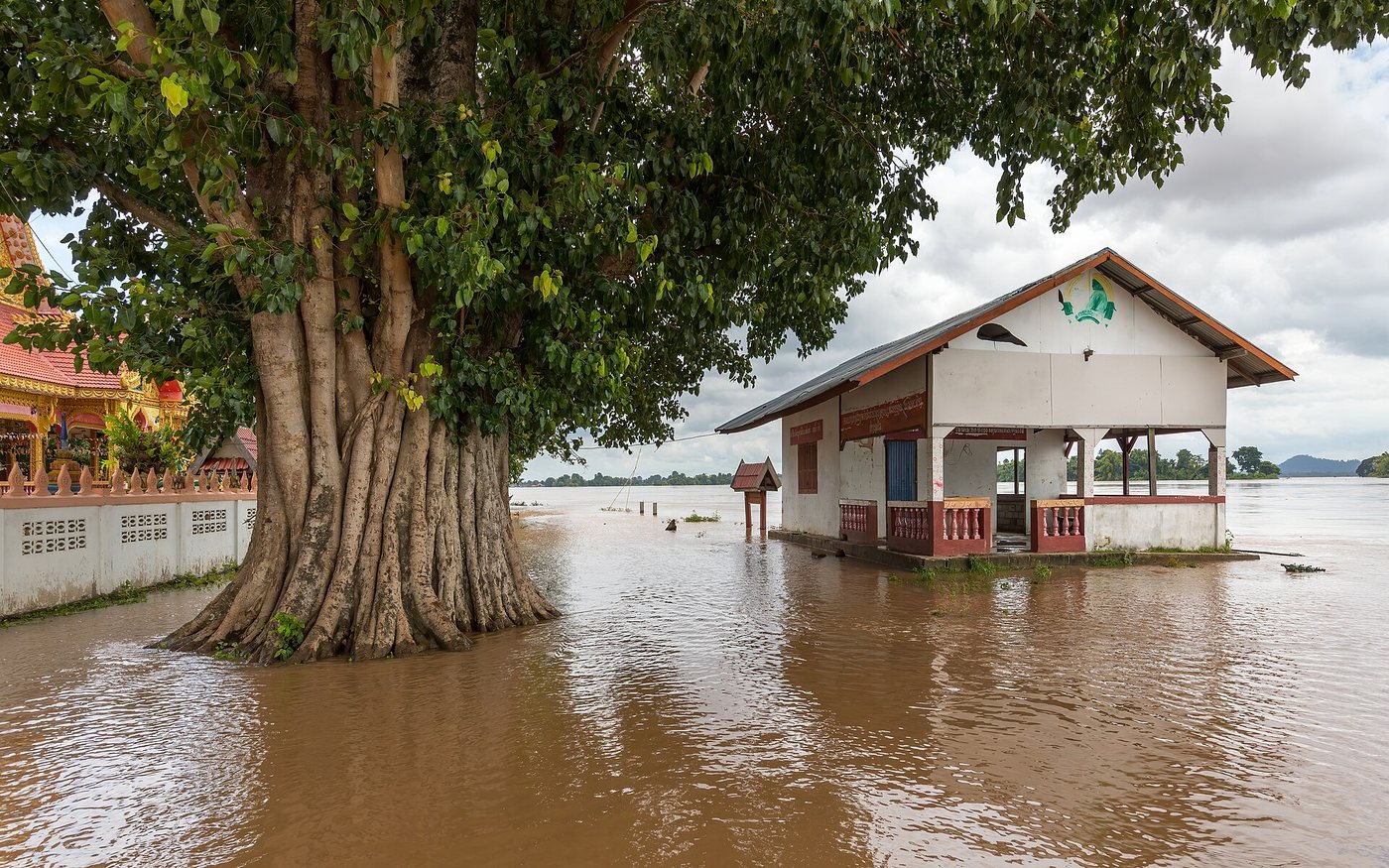
Extreme weather in 2026 has already killed tens of thousands of people around the world, and the final figure is still climbing. The Guardian, which has tallied the year's disasters, describes its own estimate as conservative. Droughts, fires and floods have struck in turn, leaving communities scorched, smoke-choked or underwater.
The reporting ties these events to what it calls climate breakdown and to the slow pace of cuts in greenhouse gas emissions. The summer was the hottest on record since reliable measurements began in 1850, a fact that frames much of the year's damage. Heat played a direct role in many deaths, while fires filled the air with smoke that reached far beyond the flames themselves.
The coverage was published while COP31 climate talks were under way, adding urgency to a debate about how quickly governments must act. Scientists quoted in the reporting warn that the breakdown of the climate system may be accelerating, rather than moving at the steady pace many models anticipated.
The impacts are not confined to far-off places. A separate BBC report describes gardeners in Sussex, in southern England, changing what and when they plant after a record-breaking heat this year. Their adjustments show how ordinary households are already adapting to a warmer baseline.
Because the final death toll is not yet known, the numbers presented so far should be read as a floor rather than a settled total. Each new report of flooding, fire or heat is likely to push the count higher as local authorities complete their assessments.
Credit. Based on reporting by Jonathan Watts and Sara Fiorillo for The Guardian. Is this your work? Write to us.
48